ÖVR NEWS 06-2022
Future-oriented, ideal energy solutions – do they exist?
This time we begin this newsletter with an old quotation from a well-known philosopher that fits the individual topics very well.
HEG generator (left), Dr Marukhin / inventor / scientist (right)
An electric car becomes more energy self-sufficient through solar modules
The German company Sono Motors GmbH has developed a new process for applying solar modules to the car body.
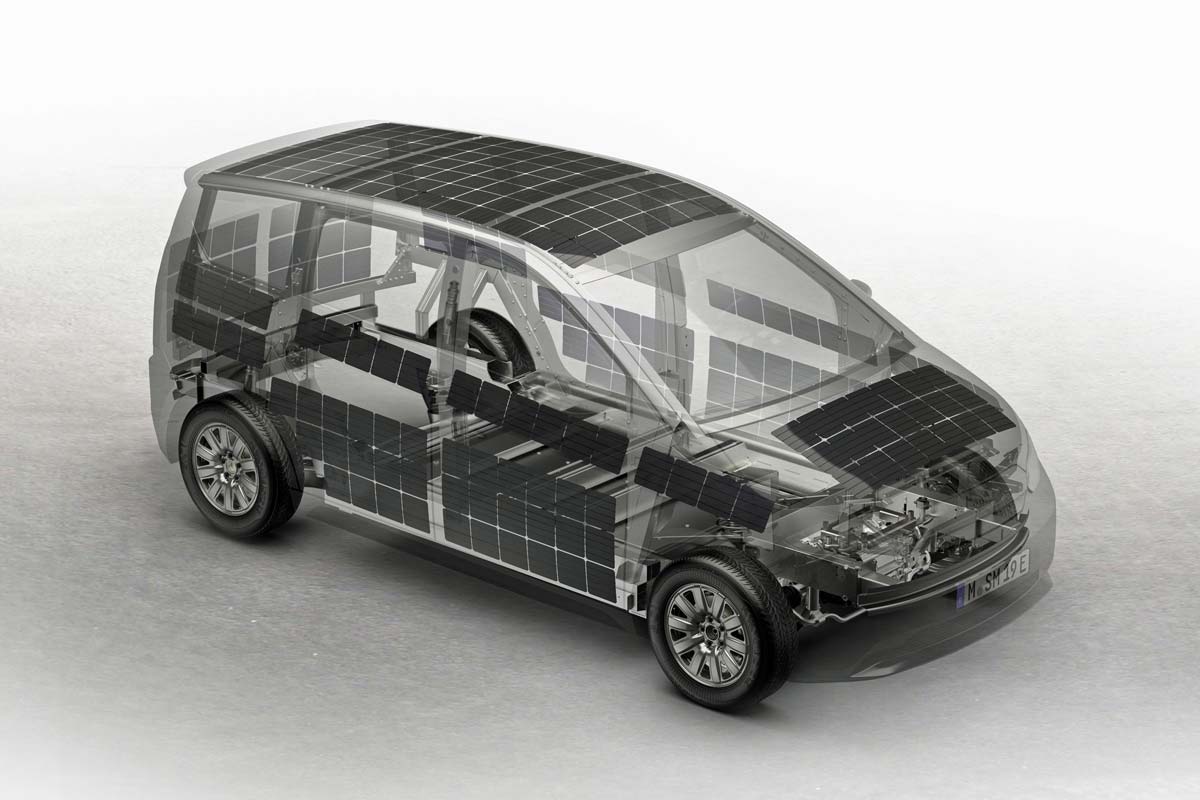
Sono Motors’ Sion model with its solar panels integrated into the body; image source: Sono Motors
This minivan is not only very spacious but has many other advantages, as can be read on the relevant website. Range approx. 305 km. Batteries (54 kWh) with lithium iron phosphate – i.e. without cobalt, nickel and manganese. Each week the solar cells supply between 112 and 245 km of additional power for the batteries (winter/summer).
Full self-sufficiency for shorter distances.
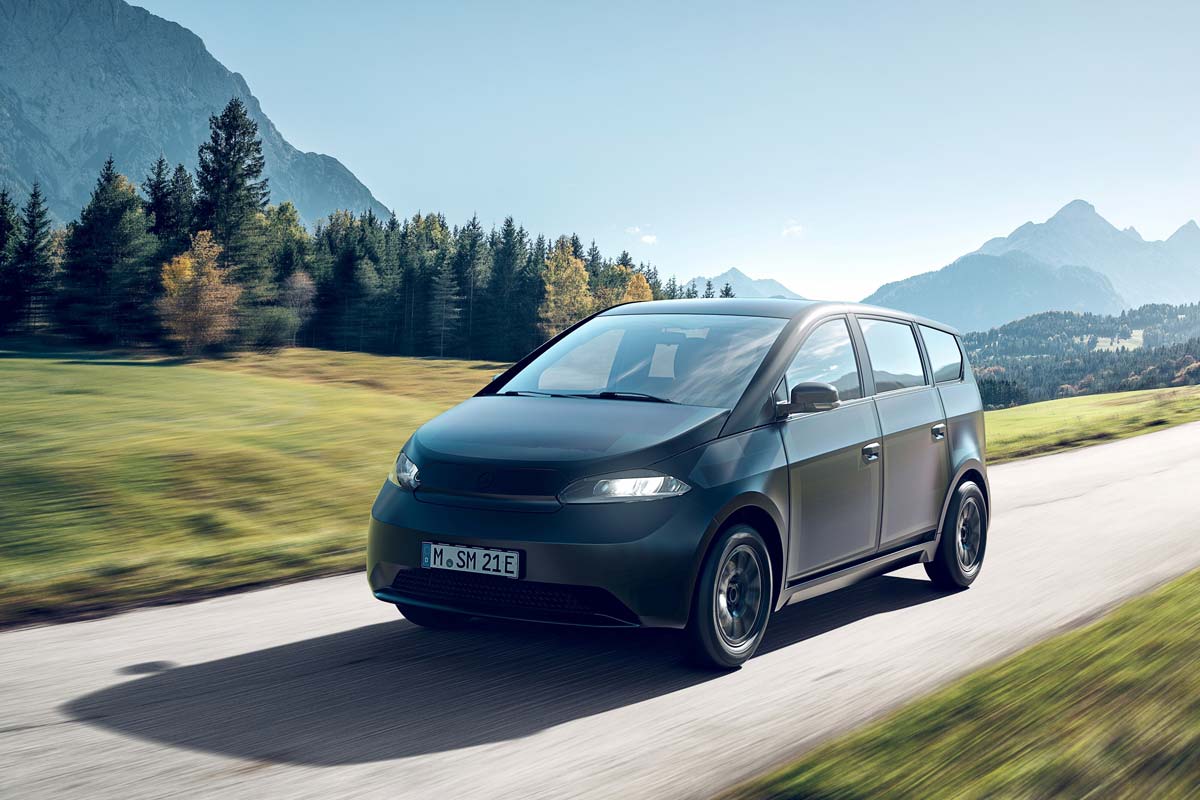
Sion model from Sono Motors; image source: Sono Motors
Another possible step towards energy self-sufficiency
In combination with Andrea Rossi’s future energy cubes, this e-car would be even more ideal for recharging or simultaneous charging for even longer ranges, giving full self-sufficiency for longer distances:
The selling price of 28,500 is not off-putting considering its size. Delivery around 2023. About 13,000 cars have already been pre-ordered.
Video of a test drive
Here is the Sono Motors website:
The above innovation gives further hope for mobile self-sufficiency before the ultimate solution à la Nikola Tesla, and now Maxwell Chikumbutso, becomes reality:
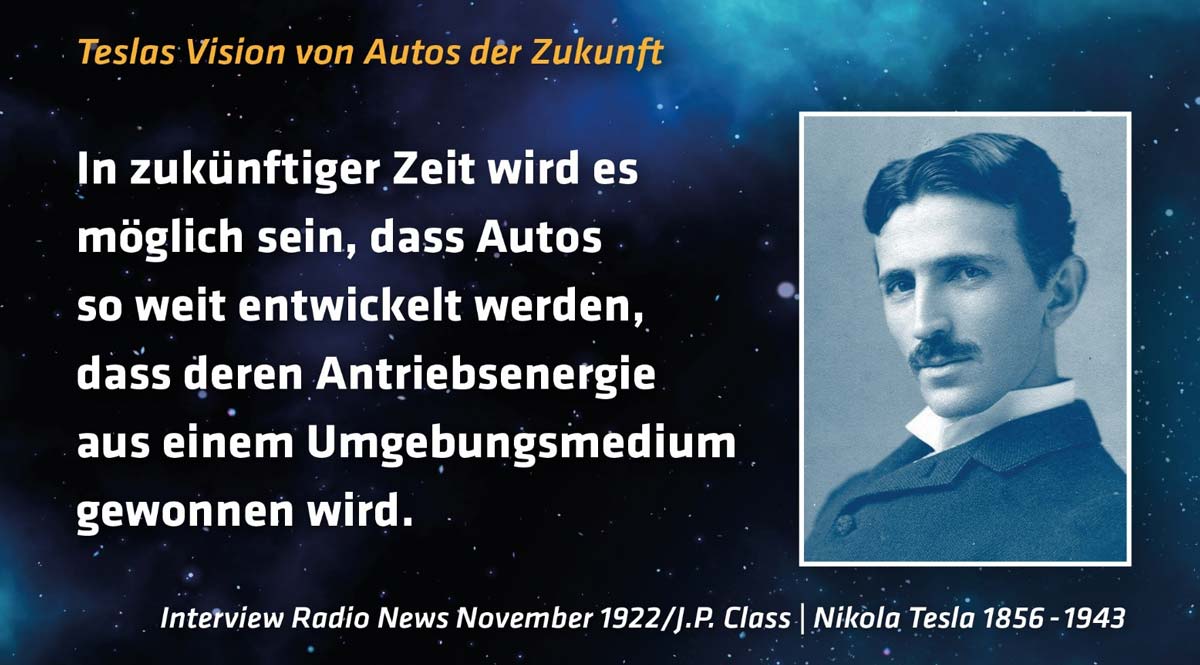
In 1922 Nikola Tesla did not speak of solar energy but of an ambient energy!
So it is very likely that he meant the ultimate energy of the future, space energy – the omnipresent and all-pervading cosmic, free space energy, which in its original state is not bound to any other form of energy, such as neutrinos, sunlight, light etc. It is, however, able to transform itself, or can manifest itself in many forms of energy, e.g. as the carrier of a form of energy.
More on this in the book “Raumenergie – das decodierte Rätsel” (Space energy – the decoded riddle)
kopp-verlag.at/buchlink (German)
In 1930–31 – i.e. about 8 years after his quotation & vision of 1922 – he is likely to have been the first person to succeed in building an energy self-sufficient car.
Is Maxwell Chikumbutso from Zimbabwe the new Nikola Tesla, but with enormous global reach?
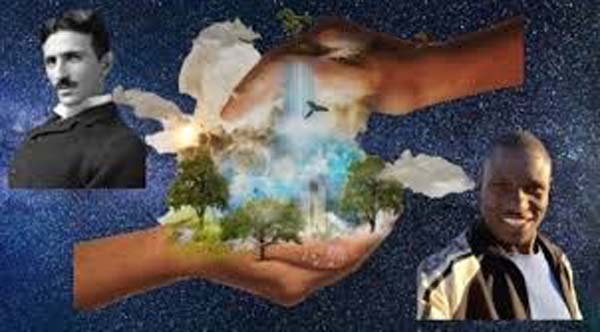
Maxwell Chikumbutso from Zimbabwe – who has now based his company Saith Technologies in California – was probably one of the next people to power a small e-vehicle with “radio frequencies”. Of course his theoretical description meets with resistance. He is not a scientist either, but claims that he received help from God in realising such generous technologies.
The fact remains that this car, like other brilliant inventions of his, is energy self-sufficient and the car only needs a small starter battery, which then recharges itself immediately.
What a resource-saving, brilliant solution?
Short film and photo of the car
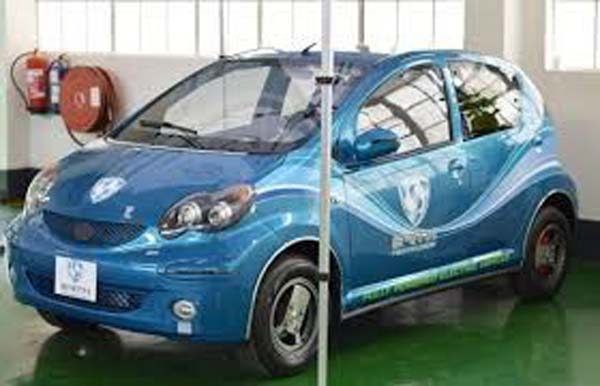
The small Saith e-car model with space energy drive at about 14 kW/h
His Green Power Machine (GPM for short) – already in use?
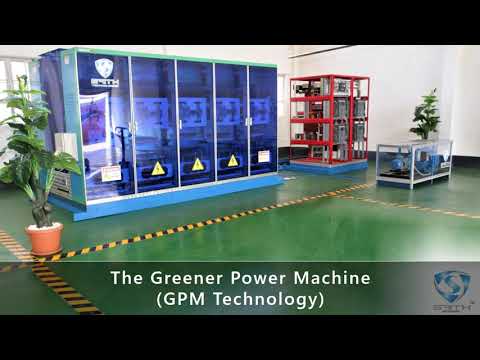
We have already reported on this gigantic 500 kW power generator, which was also presented in THRIVE II as one of the absolute HIGHLIGHTS:
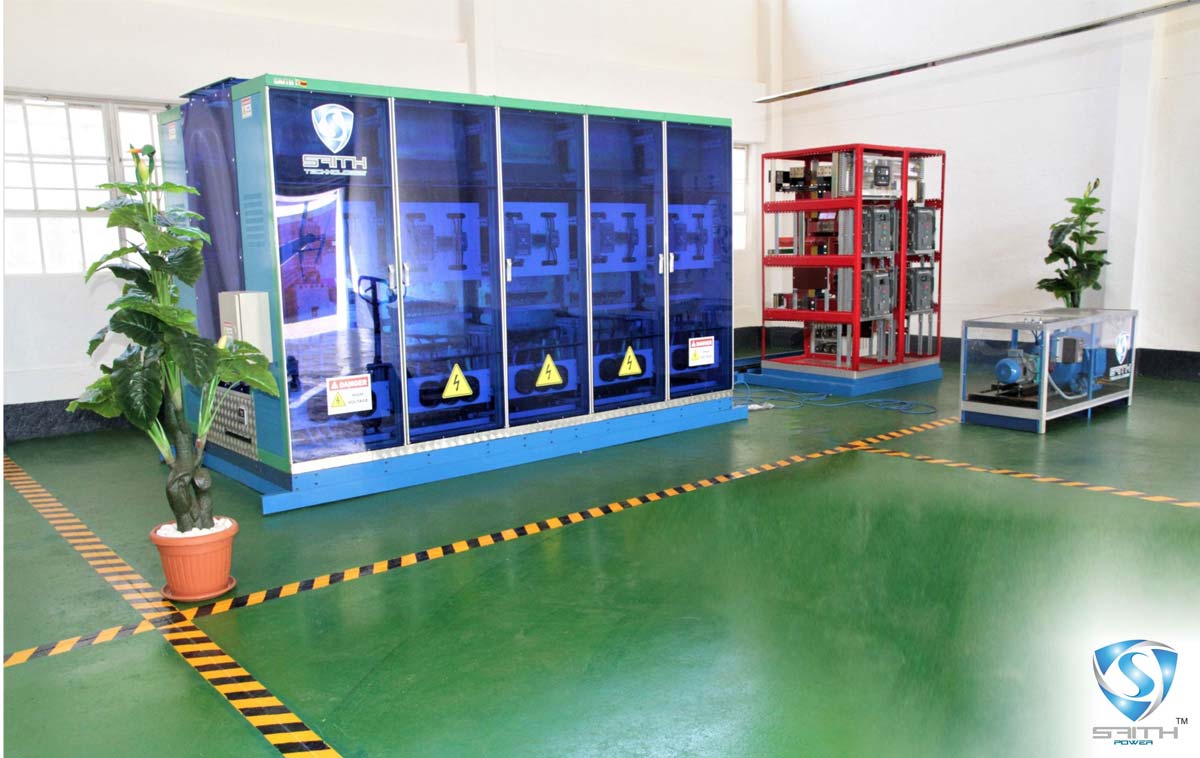
The Saith GPM power generator model with 500 kW, which could supply about 200–300 single-family houses with electricity
On Instagram, the bright mind posted the following, among other things:
“We built a house in Madokero, Harare, Zimbabwe, that runs entirely on the GPM (note: a smaller version than in the picture above!). Amazingly, everything in the house runs on free energy!…”

Maxwell Chikumbutso
Inventor from Zimbabwe
More information:
Here is a nice video about the GPM, showing the assembly and Maxwell at work:
His next invention – an energy self-sufficient TV set
This appears to be Maxwell Chikumbutso’s next technical breakthrough: a “mini GPM” that produces about 500 W and fully powers a large Samsung TV screen. In this short presentation from 2022 you can see this relatively small device smartly mounted behind the screen, and you search in vain for the plug to the grid 😊
Here he gives an interview on this new technical achievement in 2022:
Here is a longer, very interesting interview with Maxwell in 2020 on ZTN Diplomatic Passport TV:
Summary
The above inventions alone, which evidently work and are in some cases already being commercialised, show the broad spectrum of applications of space energy. Inventors, however, usually have their developments and further developments in their heads and can rarely run the commercial side fully at the same time.
In our view, this could be the reason why the commercial phase at Saith Technologies is progressing relatively slowly – apart from the constant danger of these inventors being suppressed. In 2021 Maxwell escaped yet another poisoning. The presumed “energy mafia” keeps trying, so as not to lose the “energy monopoly” completely.
ÖVR on the radio again
The purpose of the Austrian Association for Space Energy is to make the ultimate “super-green” energy of the future in “24/7/365 mode” better known in society, in order to prevent future blackouts, help people towards energy self-sufficiency and above all relieve the environment considerably. Using oil and gas for thermal processes, rapidly rising energy prices – these must one day be a thing of the past if we want to promote peace worldwide and conserve resources into the bargain.
In the last radio series, “Die ultimative Energie der Zukunft” (The ultimate energy of the future), I presented some practical examples and applications of space energy technologies that are used peacefully or will soon be usable.
All 3 parts can be listened to online here at any time, and even viewed with pictures/graphics:
Advance notice – next congress in Austria
The next LIVE space energy congress in Austria will take place in September in Graz. Note the date now and reserve your place:
What can each of us do?
We are often asked this question. Our answer: a lot – you just have to do something and help space energy and many peaceful space energy technologies come onto the market!
Possible actions:
- Spread this newsletter
- Organise information evenings or larger events
- Give talks yourself
- Push (pre-)scientific papers
- Give friends books on this topic
- Motivate young people on this topic with films etc.
- Support space energy groups in whatever form
- Get films or radio interviews on this so necessary topic (the widest reach)
- Send letters to the editor and DEMAND the ultimate energy of the future!
- Attend the first home course on this topic as an ÖVR member, or give it as a present
- Recommend working space energy technologies and use them yourself, thereby supporting the inventors, who are constantly exposed to risk
- etc.
Anyone who needs help and support – just get in touch! We are constantly helping wherever we can!
Well, above all, stay healthy!
Ing. Wilhelm Mohorn for the ÖVR service team
Österreichische Vereinigung für Raumenergie (Austrian Association for Space Energy)
Schneedörflstrasse 23
2651 Reichenau/Rax
Austria
Notes on content provided by authors
Comments
Loading comments …
Become a member to comment publicly. GAIA members write comments in the members' portal — under their nickname, visible to everyone.