Tag
GfKV
2026
-
Risks of undersupply and cost increases in winter 2026/27
At the start of autumn 2026, Europe's energy supply is at a critical point.
-
The supply chains for batteries/BESS 🔋
The article warns of a possible accumulation of several crisis developments in winter 2026/27. The decisive date, it argues, is 10 November 2026.
-
Storage requirements and Dunkelflaute in the power grid
Fluctuating renewables present the power grid with new challenges.
-
GfKV newsletter #23 – is Europe facing a breaking point?
A combination of energy shortages, geopolitical conflicts and attacks on critical infrastructure is straining Europe's energy system.
-
ZIVA – your civil protection app
The ZIVA app brings together crisis preparedness, information and alerts on one platform.
-
Supply chain security: security starts at the interfaces
Security in supply chains comes from coordinated processes and clear responsibilities at the interfaces – not from individual measures.
-
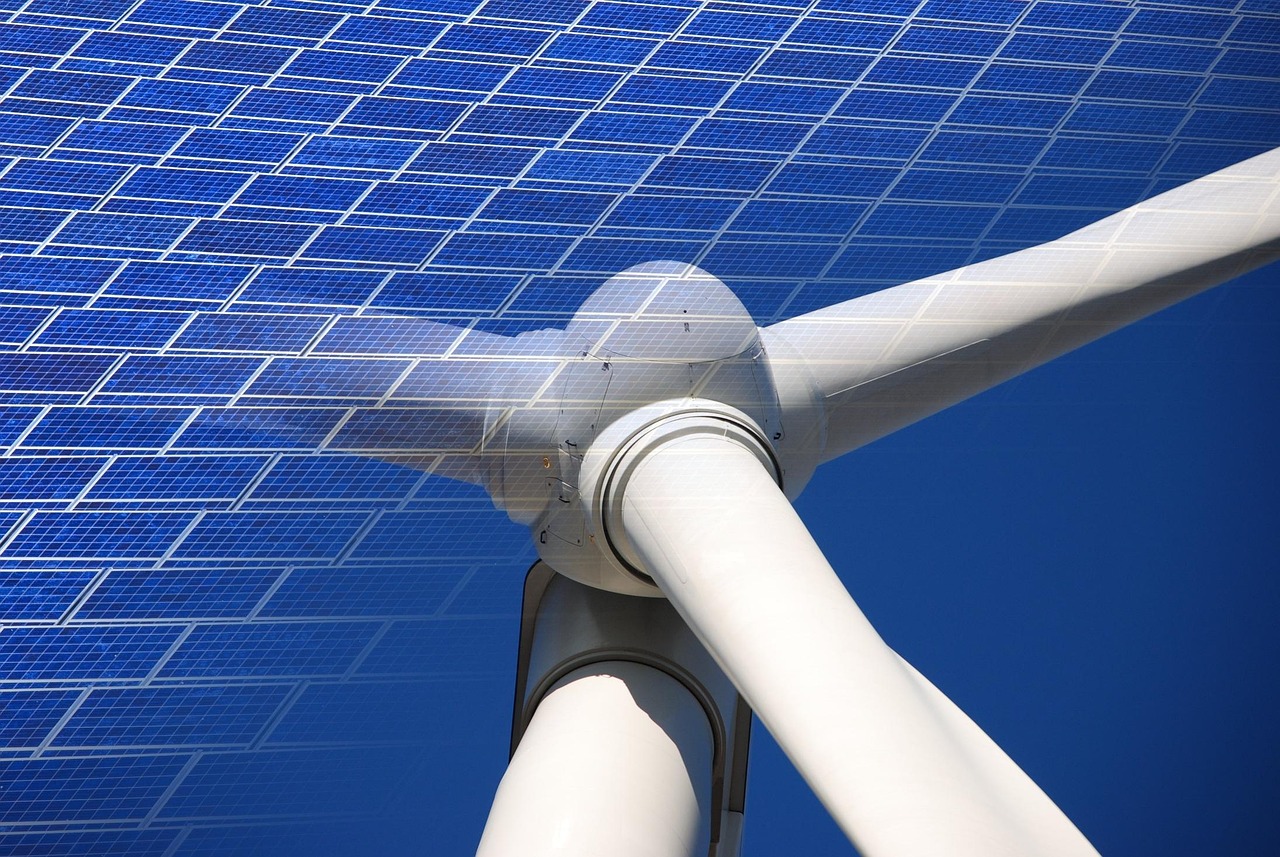
Global trend towards solar and wind power analysed
Solar and wind power have grown steadily for 30 years. If the trend continues, they could cover global electricity demand around 2050.
-
Uncomfortable questions in unstable times
Nate Hagens calls for asking more consciously in unstable times: how do we stay stable instead of just growing? An essay on responsibility and meaning.
-

What matters in an uncertain future?
How do we make good decisions in an uncertain future? An overview of robust measures that hold up in many conceivable scenarios.
-
Grid integration challenges
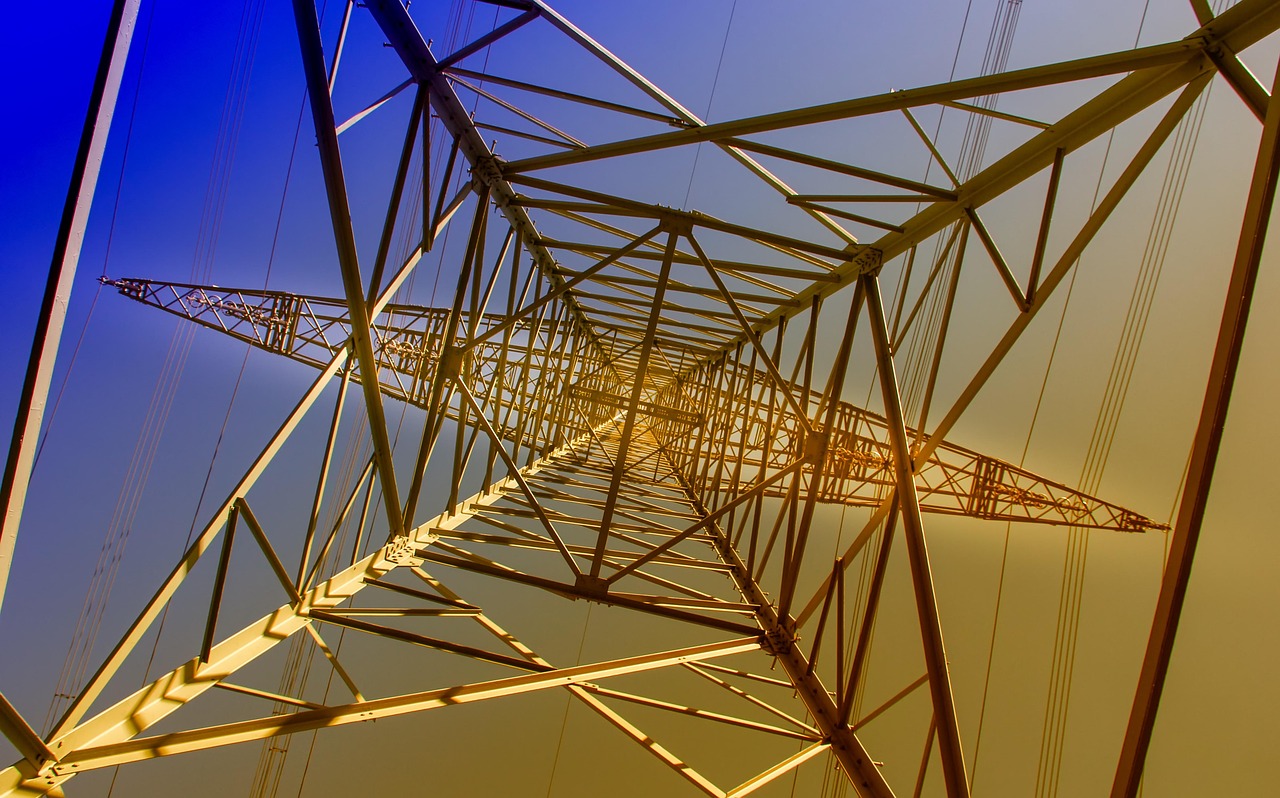
How power grids are changing with solar and wind power: challenges around grid inertia, forecast uncertainty and the new load from AI data centres.
-
Denmark's first emergency supermarkets
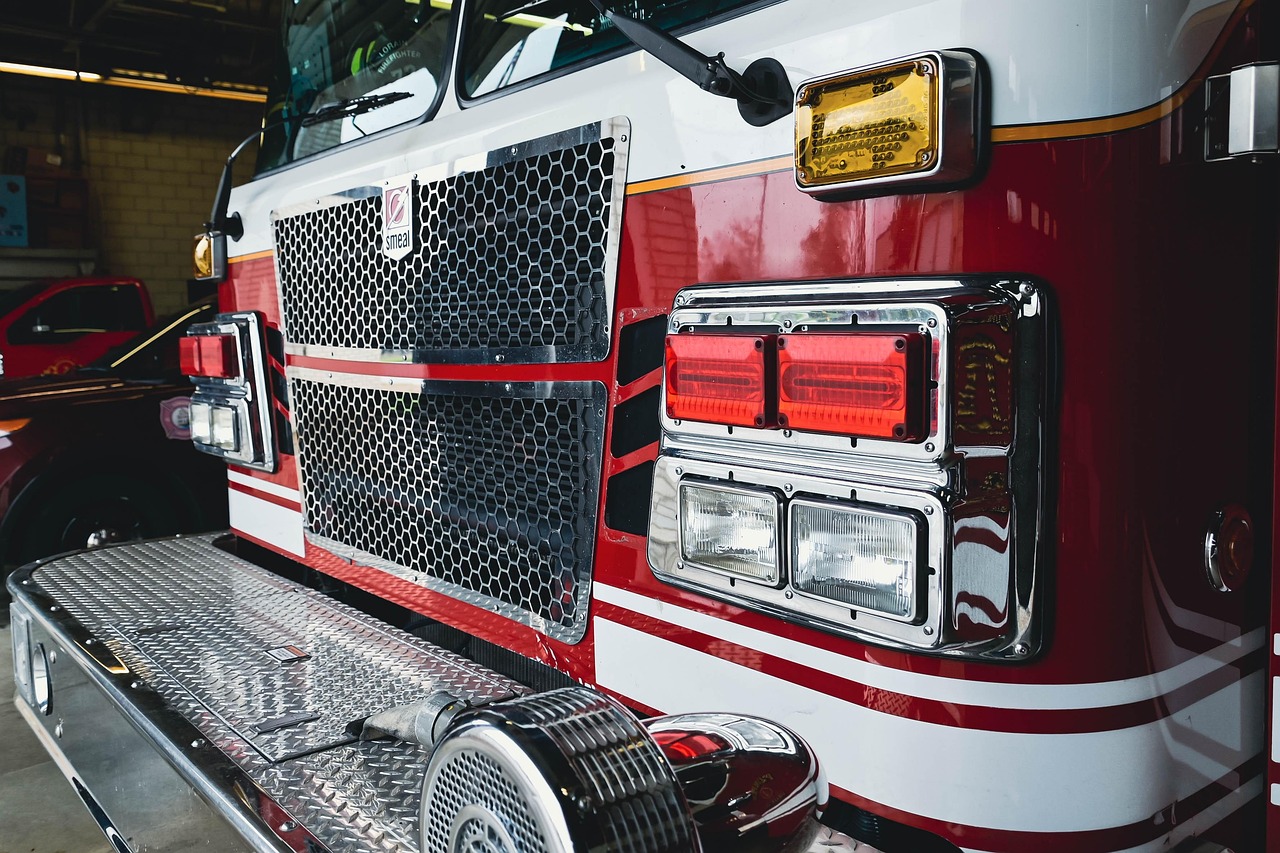
Denmark's largest retailer is equipping 51 supermarkets with emergency generators to secure basic supplies even during a widespread power cut.
-

Nature as a model: why decentralisation and diversity will save the systems of the future
How decentralisation, diversity and principles from the natural sciences create more stable, crisis-proof systems – a systems-theory analysis.
-

GfKV: The delayed crisis
GfKV newsletter no. 22 analyses fragile supply chains, dwindling reserves and the importance of timely crisis preparedness.
-

GfKV: Global system break is reality
The GfKV newsletter warns: the global system break is already under way. What this means for politics, business and society – and how we should respond.
-

Preparedness is not extreme – it is common sense
Resilience begins in everyday life: concrete preparedness measures for supplies, energy and security in uncertain times. A very personal food for thought.
-

GfKV: Global system break: when systems tip over
GfKV reports: global crises are escalating – energy, supply chains and supply under pressure. Why preparedness is decisive now.
-
GfKV: Hormuz shock in three waves
GfKV reports: Marco Felsberger shows why the Hormuz crisis hits supply chains in waves and has a far longer economic after-effect.
-
From crisis thinking to the capacity to act
GfKV: crises show that planning is not enough. Why resilience needs action and antifragile thinking is becoming the basis of modern security.
-
First lessons from the Berlin power cut in January 2026
GfKV explains in brief: Berlin without power from 3 to 7 January 2026 – causes, consequences and lessons for resilience, crisis management and blackout preparedness.
2024
-

Challenges in the Energy Supply System
As far as energy supply is concerned, the coming months are likely to bring further major challenges for the European electricity supply.
2023
-
Society for Crisis Preparedness – newsletter #12
Underestimated consequences of a possible electricity shortage: although there are no concrete signs of 'brownouts' in the coming months, we want to point out their far-reaching and often underestimated consequences.
-

Grid reserves completely exhausted
"Grid reserves exhausted […] physics strikes back […] a game of poker". APG: 110 million went into emergency measures by August, more than in 2022.
-
Society for Crisis Preparedness – Newsletter #11
The focus of this newsletter is food supply after a blackout. We shed light on connections that we may not always be aware of in everyday life, because almost everything usually works smoothly anyway.
-
Society for Crisis Preparedness – Newsletter #10
On 15 July 2023 the general assembly decided to change the name "Austrian Society for Crisis Preparedness", to extend our activities to the neighbouring countries Germany and Switzerland and to express this in the name "Society for Crisis Preparedness".
-
GfKV Newsletter #09 – Society for Crisis Preparedness
Winter is not quite over yet, but the most critical phase has probably passed. In our last newsletter we encouraged you once again to make personal provisions for coming crises.
2022
-
GfKV Newsletter #08 – Society for Crisis Preparedness
In our last GfKV newsletter #07 before Christmas 2021 we encouraged you to make personal provisions for coming crises, as a number of facts pointed to a critical development.
2021
-
GfKV newsletter #07 – please prepare now!
We actually did not want to send out another newsletter before Christmas. In view of current, worrying developments, we decided to send one with a core message: prepare now.
-

Austrian interior ministry and APG sign cooperation agreement on blackout prevention
On 27 September 2021, the Austrian Ministry of the Interior signed an agreement on blackout preparedness with the grid operator Austrian Power Grid (APG).
-
GfKV newsletter #06 – Society for Crisis Preparedness
Blackout preparedness has been in the Austrian media more often in recent months. Preparedness activities are increasing – but so are sobering findings on drinking water, livestock and gas supply.
-
GfKV newsletter #05 – Society for Crisis Preparedness
Vulnerable power supply: "Guat is ganga, nix is g'scheh'n!" Further serious incidents on 17 May 2021 and 24 July 2021 – and why crisis preparedness is inadequate in many areas.
-

GfKV newsletter #04 – Society for Crisis Preparedness
We reported on the serious incident in the European interconnected grid on 8 January 2021 in GfKV newsletter #03. It has since emerged that the triggering event did not occur in Romania, as reported, but in Croatia.


