Terrafelix: bioenergetic regenerative agriculture


Dan Kittredge and Ralf Otterpohl on soil health.
Terrafelix takes a position: the message of both events is that building up humus is crucial in times of dramatic drought and extreme rainfall if farming is to remain viable at all! On 2 March 2020 I accepted an invitation to a talk by Dan Kittredge. The topic was “How can we move more quickly from producing food poor in bionutrients to producing food rich in bionutrients?” Four days later, at an event organised by TerraFelix in Altmünster, Prof. Dr.-Ing. Ralf Otterpohl, head of the Institute of Wastewater Management and Water Protection at Hamburg University of Technology, spoke on “Regenerative agriculture”. According to the UN Millennium Ecosystem Assessment, between 1950 and 1990 humans severely degraded or destroyed a third of all fertile soils. This alarming fact was a topic at both events.
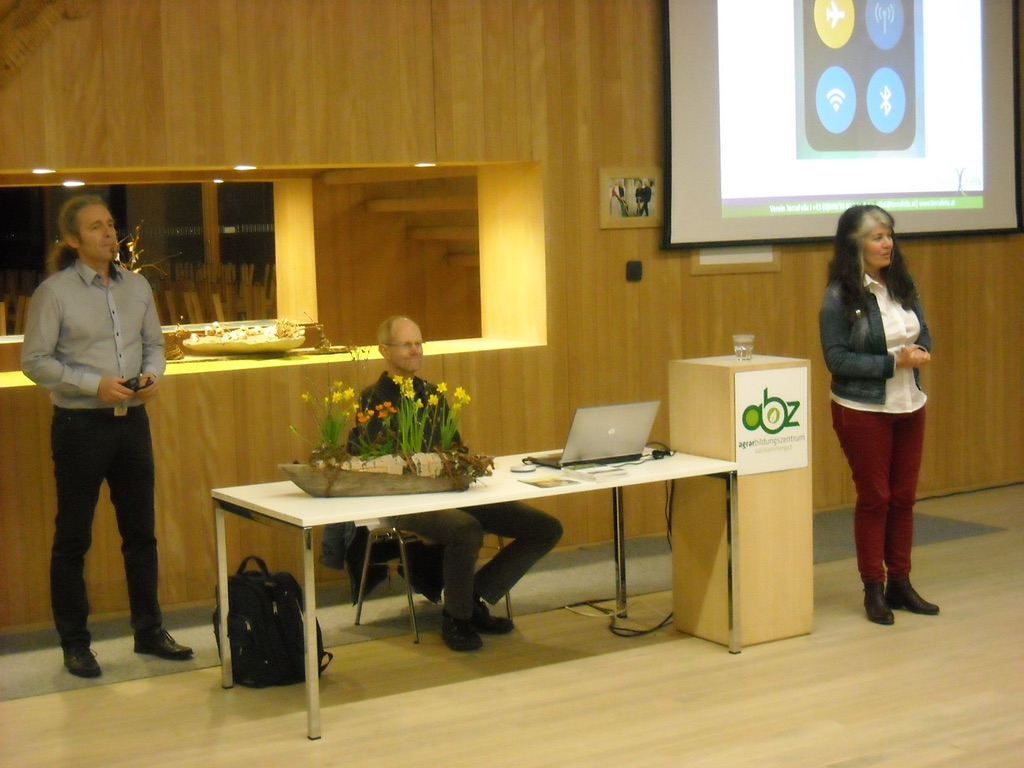
Introduction by Terrafelix
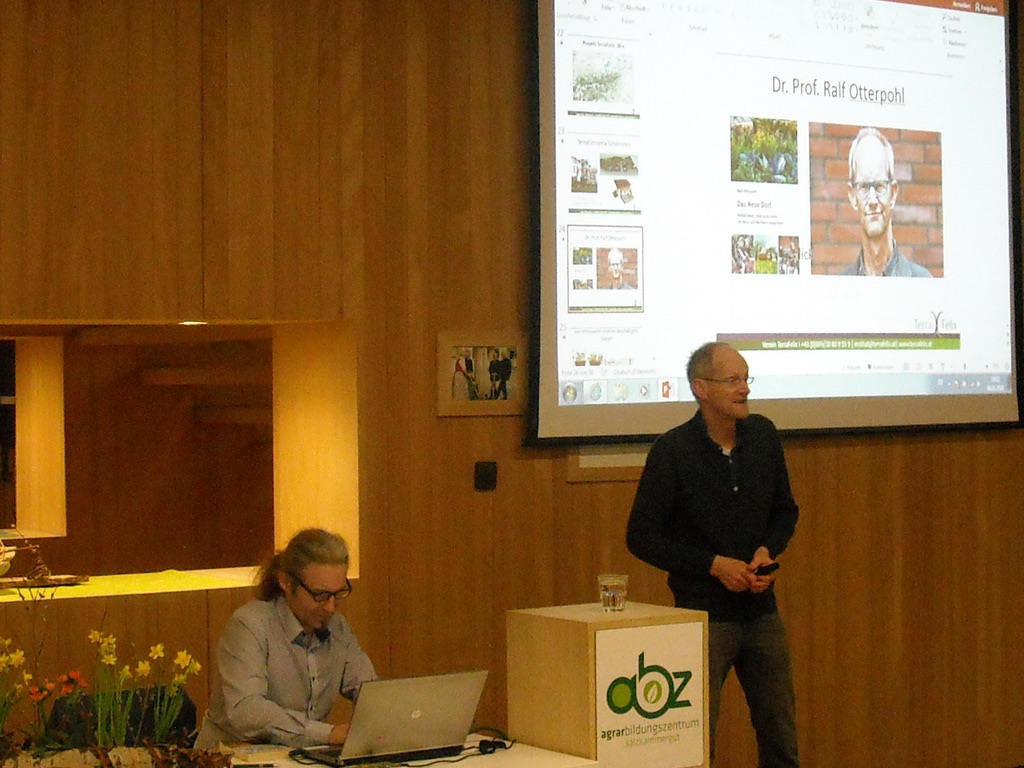
Talk by Ralf Otterpohl

Talk by Ralf Otterpohl
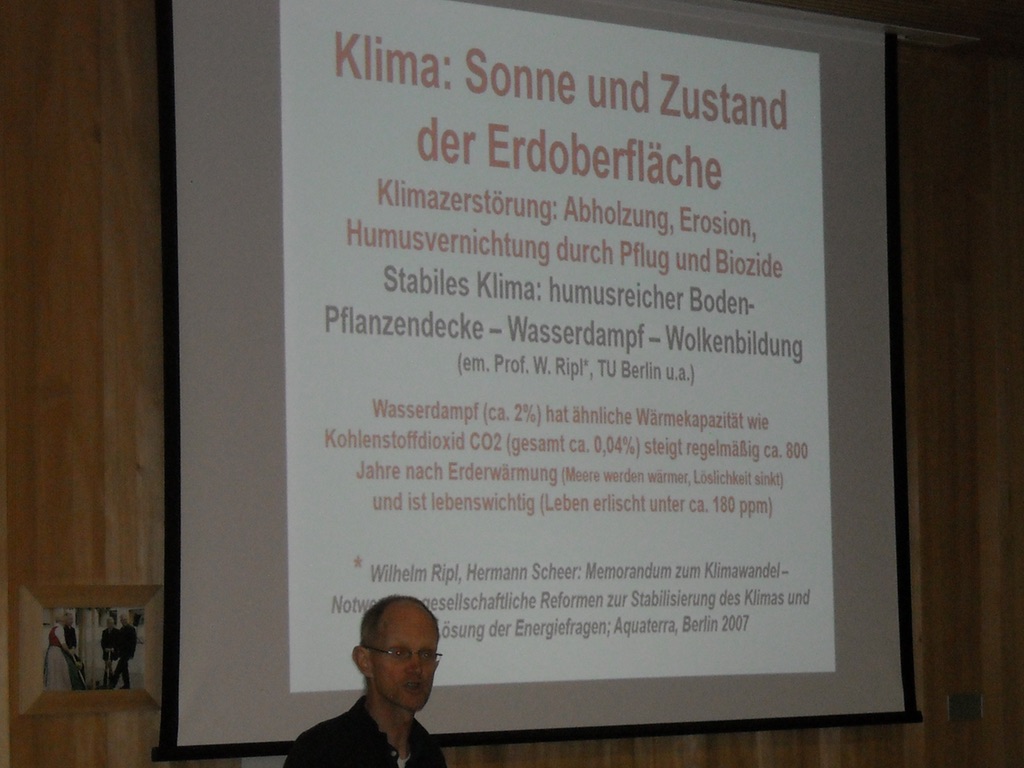
Talk by Ralf Otterpohl
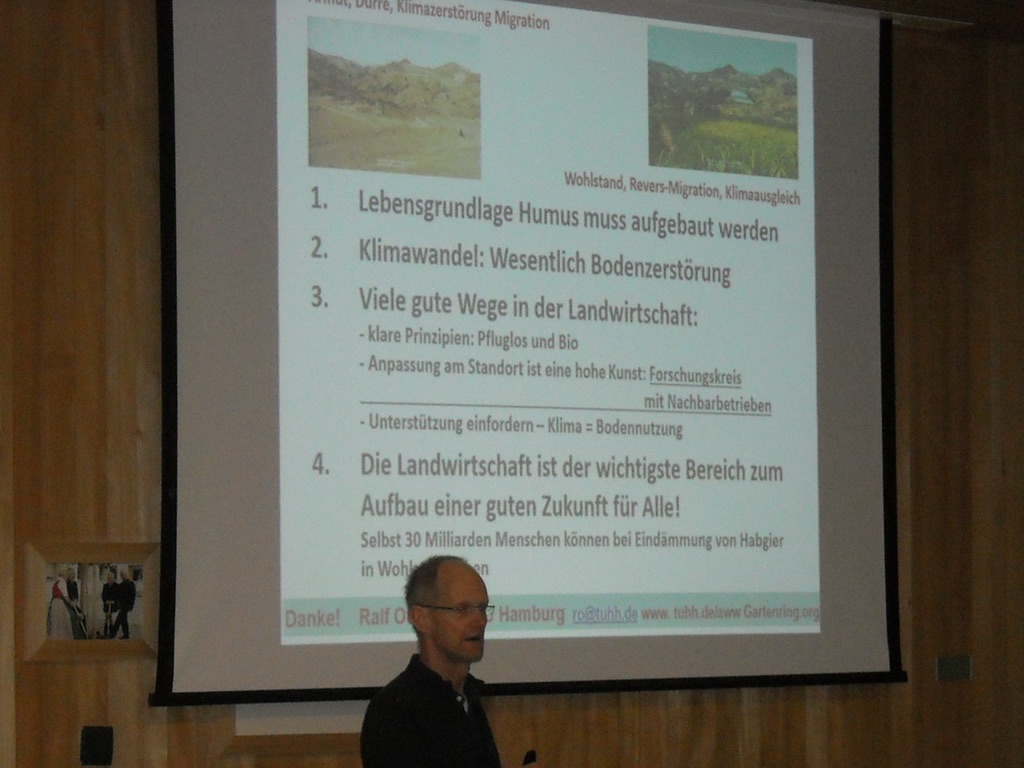
Talk by Ralf Otterpohl
There was also some very encouraging news: there are simple, fast and natural methods by which soil can regenerate. With AquaFelix water crystal analysis, it is said to be possible to make visible and interpret the basic biophysical forces that are the precondition for all living things. Relative nutrient density measurement with a spectrometer analyses the mineral content of the produce, from which conclusions are drawn about the composition of the soil. The metabolic processes of the earth with its countless microorganisms can be made visible with soil chromatograms. A soil chromatogram is even said to offer a glimpse of how the soil biology will develop in future. Combining these analytical methods then makes it possible to give the soil exactly the support it needs for natural regeneration.
Rock dusts can do more than remineralise the soil or optimise its pH. Above all, special basalt dusts are said to restart the soil’s self-regulation by building up biophysical electromagnetic fields. In this way, decades of damage to the soil can reportedly be repaired in just a few years – while still farming productively.
For many farmers, however, the biggest challenge is the necessary switch to near-natural tillage and cultivation practices. One often hotly debated method is no-till farming. With this post I would like to draw attention to the topic of “regenerative agriculture”. I am now delving deeper into this world, which is still unknown to many – including me – and will report on it further. Incidentally, the knowledge of an “old acquaintance”, Viktor Schauberger, is essential here.
If you are interested in the topic, I look forward to hearing from you directly at g.herrmann@gaia-energy.org or +43 660 8812883.
Sources
- Dan Kittredge: bionutrient.org
- Dan Kittredge: realfoodcampaign.org
- Terrafelix (German)
- Agrarbildungszentrum Salzkammergut (German)
- Loidholdhof Akademie (German)
 “If the earth is happy, so are we!”
Notes on content provided by authors
Comments
Loading comments …
Become a member to comment publicly. GAIA members write comments in the members' portal — under their nickname, visible to everyone.