Experts expect gas prices up to 20 per cent higher – storage at 15-year low
Maurice Forgeng, Epoch Times
In brief:
- The comparison portal Verivox expects further price increases for natural gas.
- Gas customers are advised to switch tariffs as soon as possible.
- Despite a gas storage fill level of only 59.4 per cent, one expert and the Federal Network Agency (Bundesnetzagentur) remain confident.
The situation on the energy markets remains tense. Although the filling of German gas storage facilities has picked up somewhat in the meantime, fill levels at the start of the heating season are still at record lows. Meanwhile, experts expect new price surges for gas.
On 8 October 2026, gas storage facilities were on average 59.4 per cent full. That was 16.6 percentage points less than at the same point last year. At the same time, it was the lowest level at this time of year for at least 15 years.
Experience shows that gas storage facilities begin to empty again from the beginning of November at the latest. The rate of depletion depends – though not exclusively – primarily on outside temperatures. The lower they are, the faster the depletion, as heating demand is higher. Currently, just under half of households still heat with gas.
Rising prices expected
Due to the ongoing Iran war and the closed Strait of Hormuz, less natural gas than usual is still available on the world market.
According to MDR, experts at the comparison portal Verivox are therefore expecting a significant price rise for gas, but also for electricity. They expect gas prices to rise by up to a further 20 per cent.
The increase will first affect gas customers who switch at the currently higher rates, that is, new customers. For customers on existing tariffs, nothing changes for the time being. However, Lundquist Neubauer, energy expert at Verivox, said: “Prices will also rise for existing customers in the coming months.”
The average new-customer tariff for private households has already seen a clear price jump in recent weeks. According to the portal 1-gasvergleich.com, a kilowatt hour currently costs 12.2 cents. Before the Iran war, the price was around 8 cents.
Why consumers should act now
Neubauer advises gas customers not to put off their decision to switch to a new gas tariff for too long. Since prices could, as mentioned, continue to rise soon, now is the most favourable opportunity.
“That means that, as a rule, by the end of October or mid-November, numerous price increase letters from suppliers will be landing on doorsteps,” said Neubauer.
Verivox advises gas customers to take a close look at their supply contracts now. The decisive factor is comparing the terms of the existing tariff with those of a new one. Under certain circumstances, consumers could even save money with a prompt switch and a good new-customer offer.
When choosing a tariff, it is currently particularly worthwhile to look at the length of the price guarantee. Here, either a fixed date is given or providers set it at 12 or 24 months. If high prices are expected in the longer term, a price guarantee covering the next two years is advisable where possible.
European gas network and LNG as a safety buffer?
While many experts regard the low German gas storage fill levels and the situation on the gas market as a risk, others assess the situation as less critical. For example, energy expert Hendrik Diers of the Institute of Energy Economics at the University of Cologne points out that Germany is not isolated on the gas market but part of the European gas network. The countries trade natural gas among themselves there every day.
Many EU countries have significantly fuller gas storage facilities. The front-runners include Poland with 99.1 per cent, Portugal with 95.5 per cent, Italy with 88.3 per cent and France with 86.1 per cent. The EU-wide average fill level is currently 73.1 per cent.
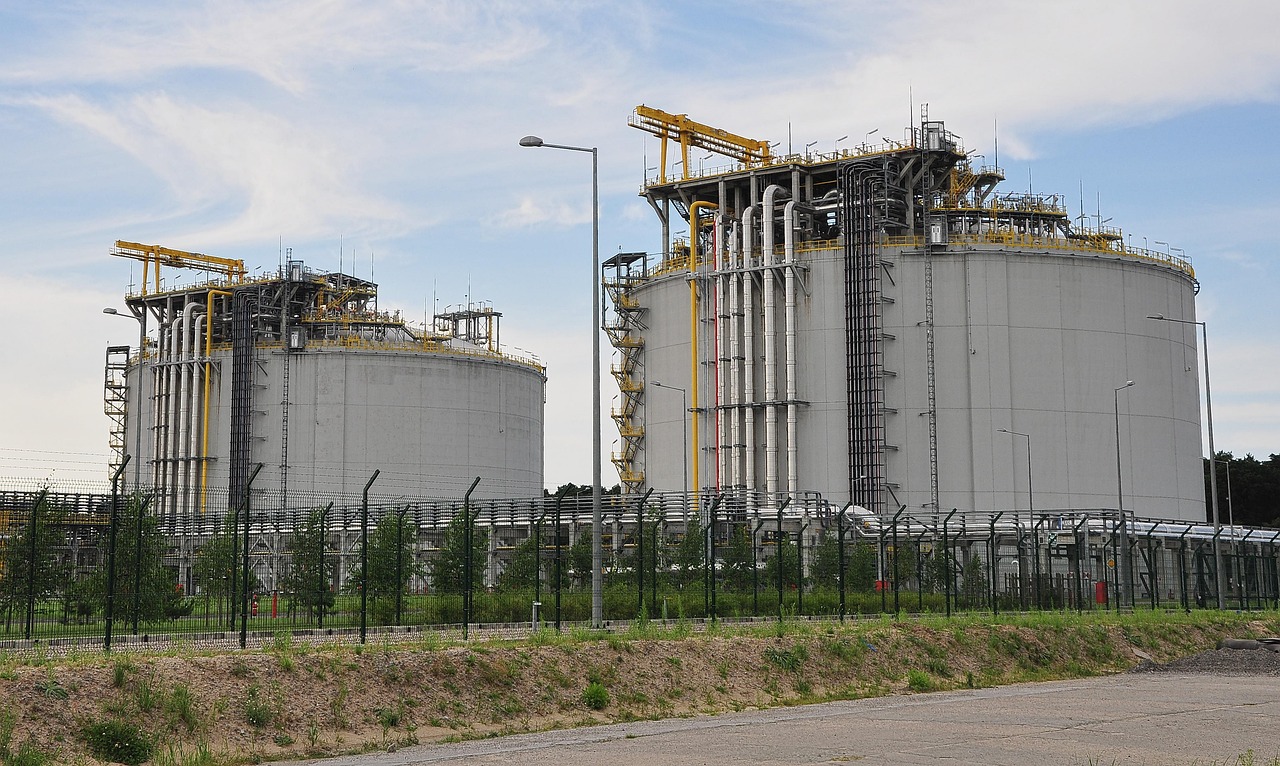
Diers names the LNG capacities, which are only a few years old, as another safe haven. “Compared with the last energy crisis, Europe has built significantly more LNG import terminals,” said the energy expert. “So we are not dependent only on storage, but can also import gas into Europe via LNG, that is, liquefied natural gas, and can thereby guarantee security of supply.”
In addition, in September the Federal Ministry for Economic Affairs commissioned the federally owned gas importer SEFE to purchase additional natural gas. According to Diers, this state measure primarily reduces the price risk. Despite the low fill levels, the Federal Network Agency continues to assess the current gas supply as stable and security of supply as assured.
However, the statutory fill-level requirement of 80 per cent by 1 November is hardly achievable any more. This would require daily filling of around 0.87 percentage points. Over the past seven days, the daily fill rate averaged 0.20 percentage points, most recently 0.14 percentage points.
This article first appeared in German on Epoch Times – with kind permission of Maurice Forgeng.
Cover image: JerzyGórecki / Pixabay
Notes on content provided by authors
Comments
Loading comments …
Become a member to comment publicly. GAIA members write comments in the members' portal — under their nickname, visible to everyone.