Energy transition in Germany: the reality behind the façade


The reality of the energy transition (a warning)
“Politicians, the media and activists suggest to the citizens of Germany that the energy transition is a success story and that the country is leading the world. That is a stage set. You have to look behind it to recognise the reality,” is how Prof. Gerd Ganteför headlines on his YouTube channel, backing up his statement with five central theses:
1. Imports instead of nuclear energy:
With the shutdown of the last three nuclear power plants in April 2023, Germany went from being an electricity exporter to an importer. The resulting electricity demand has since been covered not by domestic generation but by imports from neighbouring countries such as France, Sweden or Austria.
2. Renewable energies are not enough:
Despite a massive expansion of wind and solar power, a secure electricity supply is not guaranteed. Especially at night or when sunlight is weak, electricity generation from renewables falls far short of covering demand – there are supply gaps even on sunny summer days.
3. Permanent dependence on other countries:
Even with coal and gas power plants, Germany cannot always supply itself with electricity. Without imports there would be regular regional power cuts. Especially at night or in unfavourable weather, the country depends on electricity supplies from abroad.
4. An economic loss-maker – the “money pump”:
Germany often has to export surplus solar power during the day at negative prices – sometimes it even pays for neighbouring countries to take it. At night, expensive electricity is then imported back. This creates a constant flow of money out of Germany, which makes the energy transition an economically highly problematic model.
5. Not a model, but a deterrent example:
The German energy transition only works because the country is surrounded by states with stable electricity generation. This model cannot be transferred to other countries and is therefore not a globally viable model, but rather a special case with serious structural weaknesses.
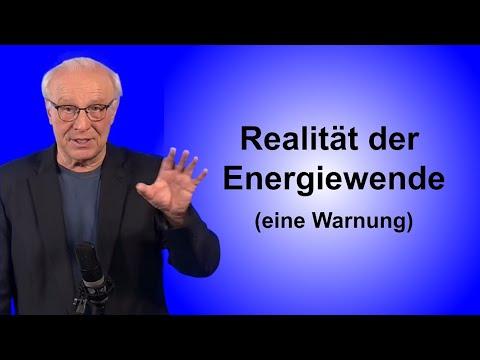
Ganteför’s YouTube channel (German)
Conclusion by Prof. Gerd Ganteför
The official accounts of the energy transition are in stark contradiction to the real situation. Germany is far from a self-sufficient and sustainable electricity supply – both technically and economically. Under current conditions, the energy transition appears neither efficient nor sustainable.
Notes on content provided by authors
Comments
Loading comments …
Become a member to comment publicly. GAIA members write comments in the members' portal — under their nickname, visible to everyone.