Storage requirements and Dunkelflaute in the power grid

Herbert Saurugg, saurugg.net
Source: Eduard Heindl
Storing electricity from fluctuating renewables is one of the central problems of the energy transition. Options such as batteries, hydrogen or natural gas are available. But what is affordable, and why is one solution not enough?
The power grid cannot store electricity itself – generation and consumption must match exactly at all times. While conventional power plants (coal, gas, nuclear) were able to manage this balance well, volatile renewables (wind, solar) present the system with new challenges.
Four central problems of the energy transition
- Fluctuations in consumption: Electricity demand fluctuates daily and weekly by around 30% (more on weekdays, less at weekends; peaks in the evening). This was easy to manage with conventional power plants.
- Fluctuations in generation: Wind and solar do not deliver according to demand. On windy days a lot of electricity is produced; on windless weekends a supply gap arises, which is currently covered by imports (e.g. nuclear power from France).
- Overproduction: In strong wind and sunshine, generation can exceed demand. Conventional power plants cannot be switched off completely, as their rotating masses are indispensable for grid stability (50 Hz). Surpluses are exported or stored in pumped-storage plants.
- Dunkelflaute (prolonged periods of little wind and sun): Longer periods with little wind and sun (especially in winter) lead to considerable supply gaps. An analysis of the weather years 2016–2021 with a heavily expanded wind and solar fleet for 2045 shows: in 5 years there was one 268-hour Dunkelflaute, about 20 lasting 100 hours and around 100 undersupply episodes of more than 24 hours.
Cost comparison of storage solutions
The text calculates what various storage options would cost for Germany (at a load of 70 GW):
| Solution | Capacity | Total cost | Cost per inhabitant | Assessment |
|---|---|---|---|---|
| **Batteries** | 10 hours | €140 bn | €1,750 (one-off) | For short Dunkelflauten ( |
| **Batteries** | 10 days (240 h) | €3,360 bn | €42,000 (one-off) | Not economically viable |
| **Hydrogen** | 10 days | €8.4 bn (fuel only) | €105 per Dunkelflaute | Very expensive (approx. 50 cents/kWh), infrastructure barely used |
| **Pumped storage** | 10 days | approx. €1,700 bn | €21,000 (one-off) | Hardly feasible in Germany (lack of suitable topography) |
| **Natural gas** | 10 days | €1.68 bn (fuel) | €21 per Dunkelflaute | Cheapest option for long Dunkelflauten, acceptable CO₂ emissions with infrequent use |
The author’s conclusion
- Short Dunkelflauten (<10 hours): Should be covered with battery storage. The costs are high, but within the realm of the possible.
- Long Dunkelflauten (>10 hours): Hydrogen makes no economic sense (five times more expensive than natural gas, limited availability). Pumped storage is hardly feasible in Germany. Natural gas remains the economically justifiable solution: the fuel costs per Dunkelflaute amount to only €21 per inhabitant, CO₂ emissions are manageable with infrequent use, and Germany could produce some of the gas itself or obtain it as LNG.
The author thus advocates a mix of batteries for short-term storage and gas-fired power plants as backup for long Dunkelflauten – a pragmatic, cost-conscious solution as opposed to a pure hydrogen strategy.
This article first appeared in German on saurugg.net – with kind permission of Herbert Saurugg. Licence: CC BY-NC-SA 4.0, Herbert Saurugg. Translated from German by GAIA.
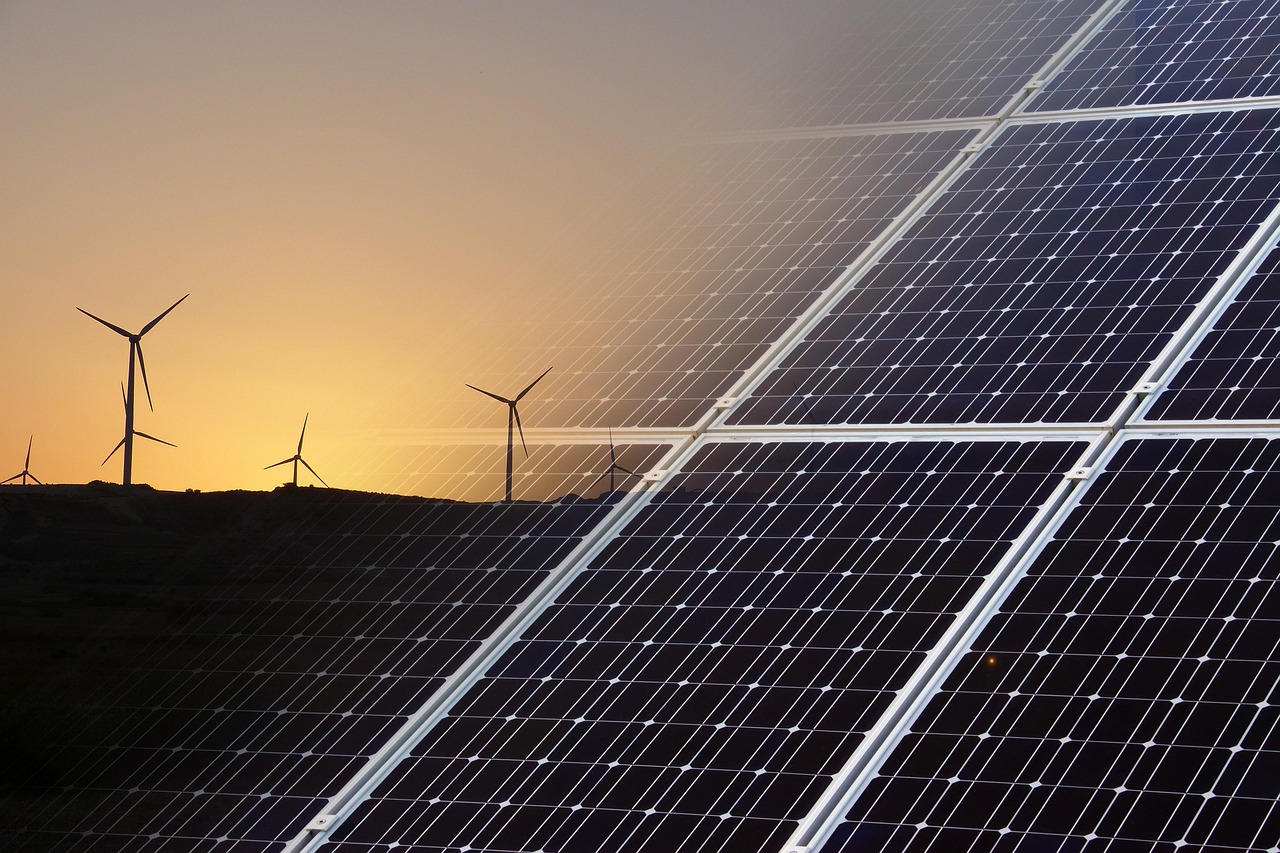
Cover image: seagul / Pixabay
Notes on content provided by authors
Comments
Loading comments …
Become a member to comment publicly. GAIA members write comments in the members' portal — under their nickname, visible to everyone.