Tag
Herbert Saurugg
2026
-
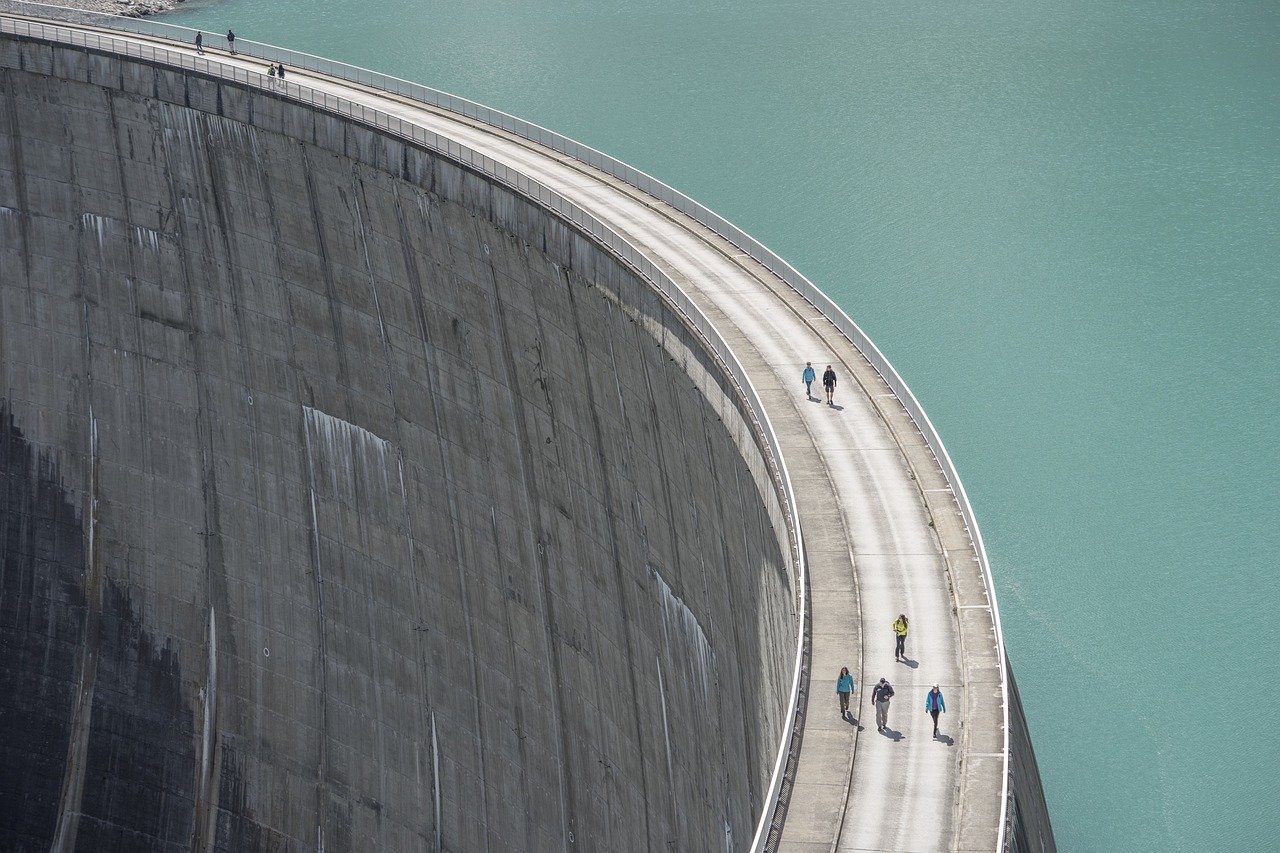
Risks of undersupply and cost increases in winter 2026/27
At the start of autumn 2026, Europe's energy supply is at a critical point.
-
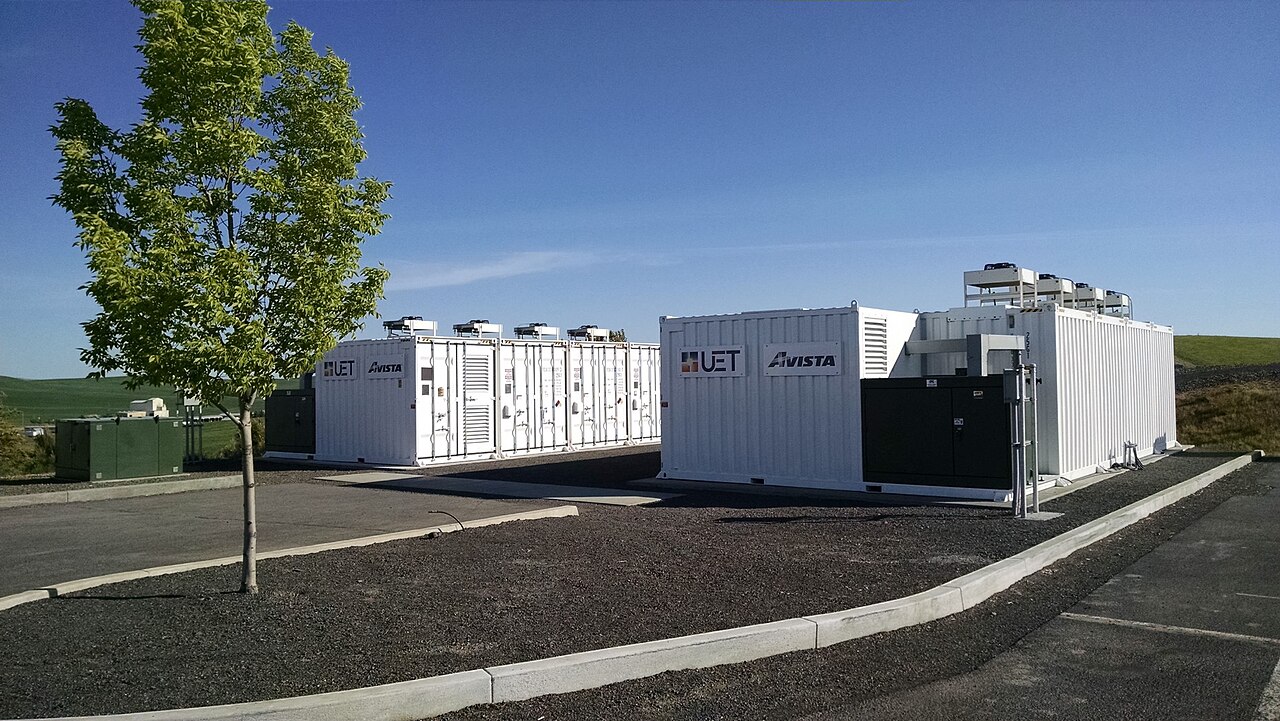
The supply chains for batteries/BESS 🔋
The article warns of a possible accumulation of several crisis developments in winter 2026/27. The decisive date, it argues, is 10 November 2026.
-
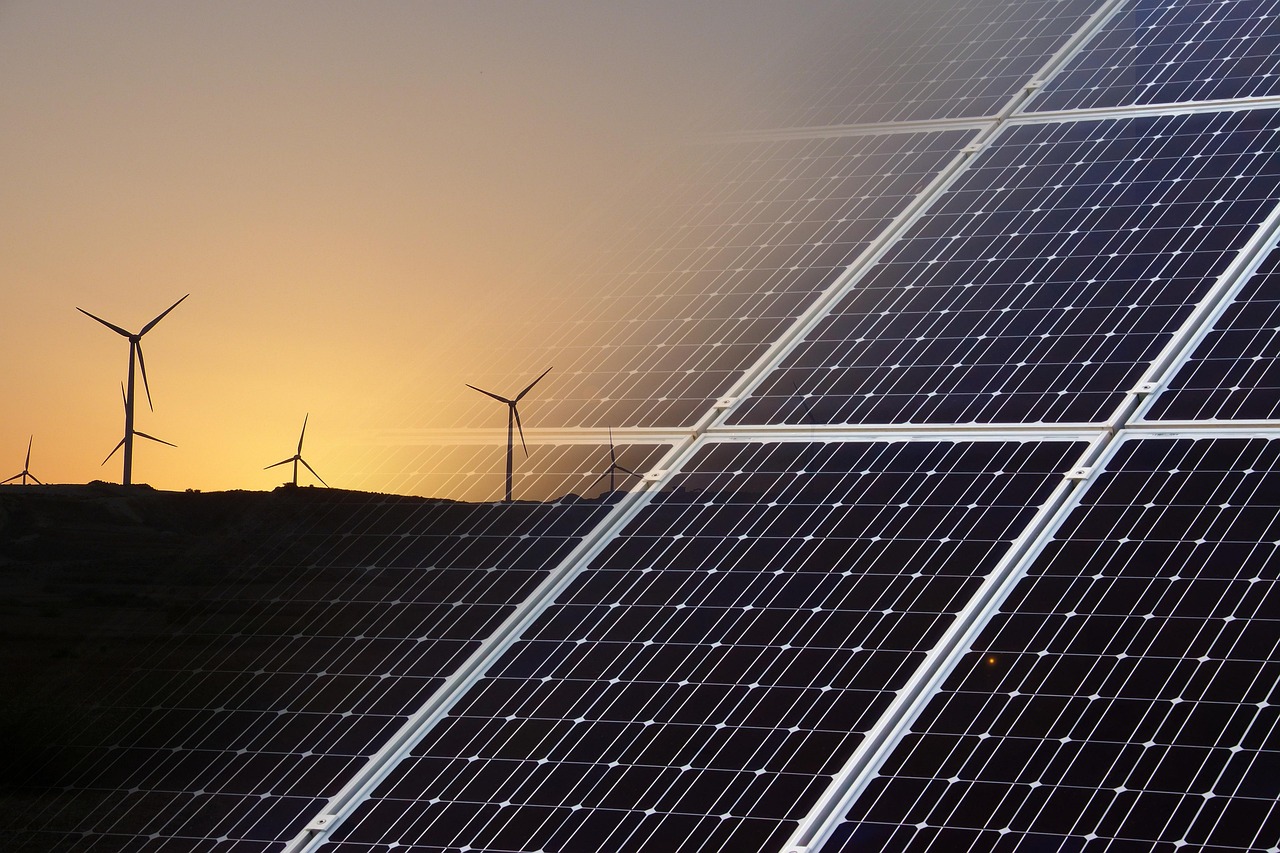
Storage requirements and Dunkelflaute in the power grid
Fluctuating renewables present the power grid with new challenges.
-
GfKV newsletter #23 – is Europe facing a breaking point?
A combination of energy shortages, geopolitical conflicts and attacks on critical infrastructure is straining Europe's energy system.
-
ZIVA – your civil protection app
The ZIVA app brings together crisis preparedness, information and alerts on one platform.
-
Supply chain security: security starts at the interfaces
Security in supply chains comes from coordinated processes and clear responsibilities at the interfaces – not from individual measures.
-
Global trend towards solar and wind power analysed
Solar and wind power have grown steadily for 30 years. If the trend continues, they could cover global electricity demand around 2050.
-
Uncomfortable questions in unstable times
Nate Hagens calls for asking more consciously in unstable times: how do we stay stable instead of just growing? An essay on responsibility and meaning.
-
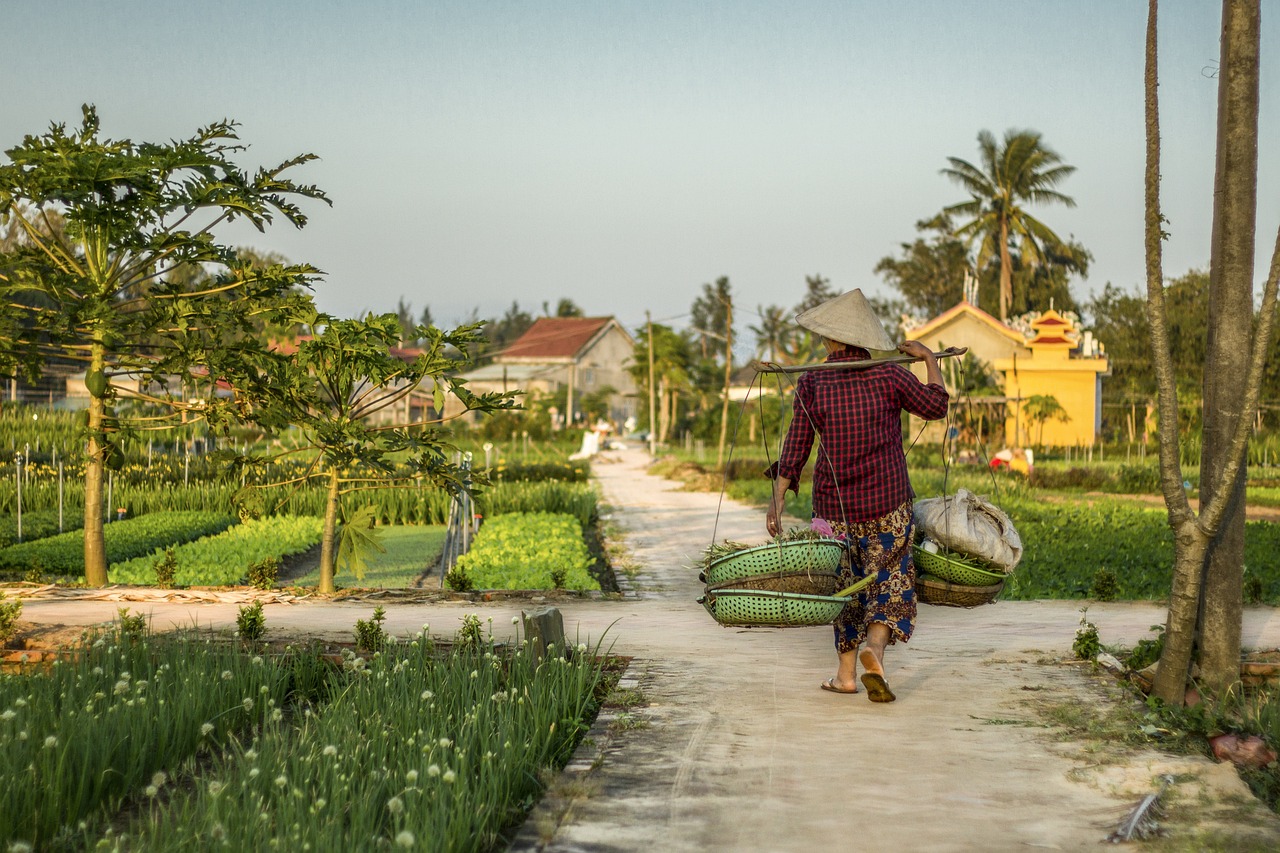
What matters in an uncertain future?
How do we make good decisions in an uncertain future? An overview of robust measures that hold up in many conceivable scenarios.
-
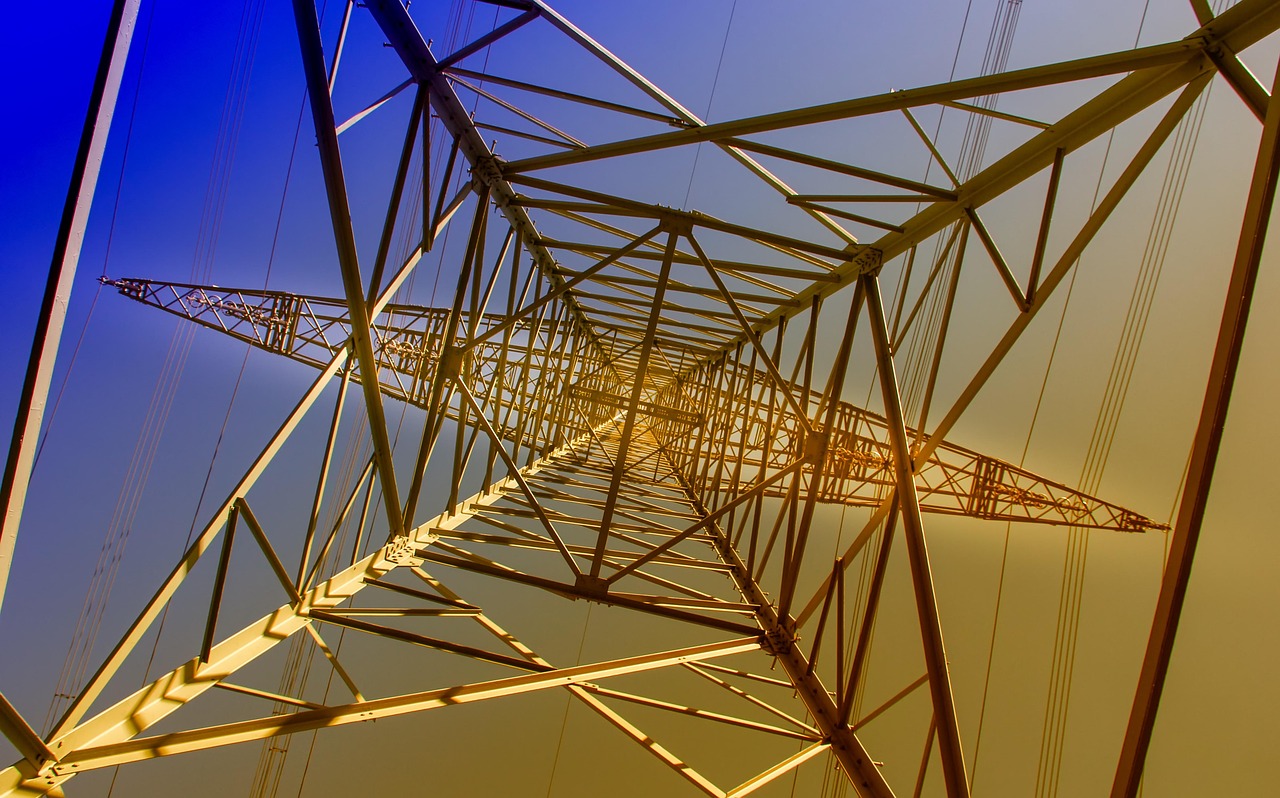
Grid integration challenges
How power grids are changing with solar and wind power: challenges around grid inertia, forecast uncertainty and the new load from AI data centres.
-
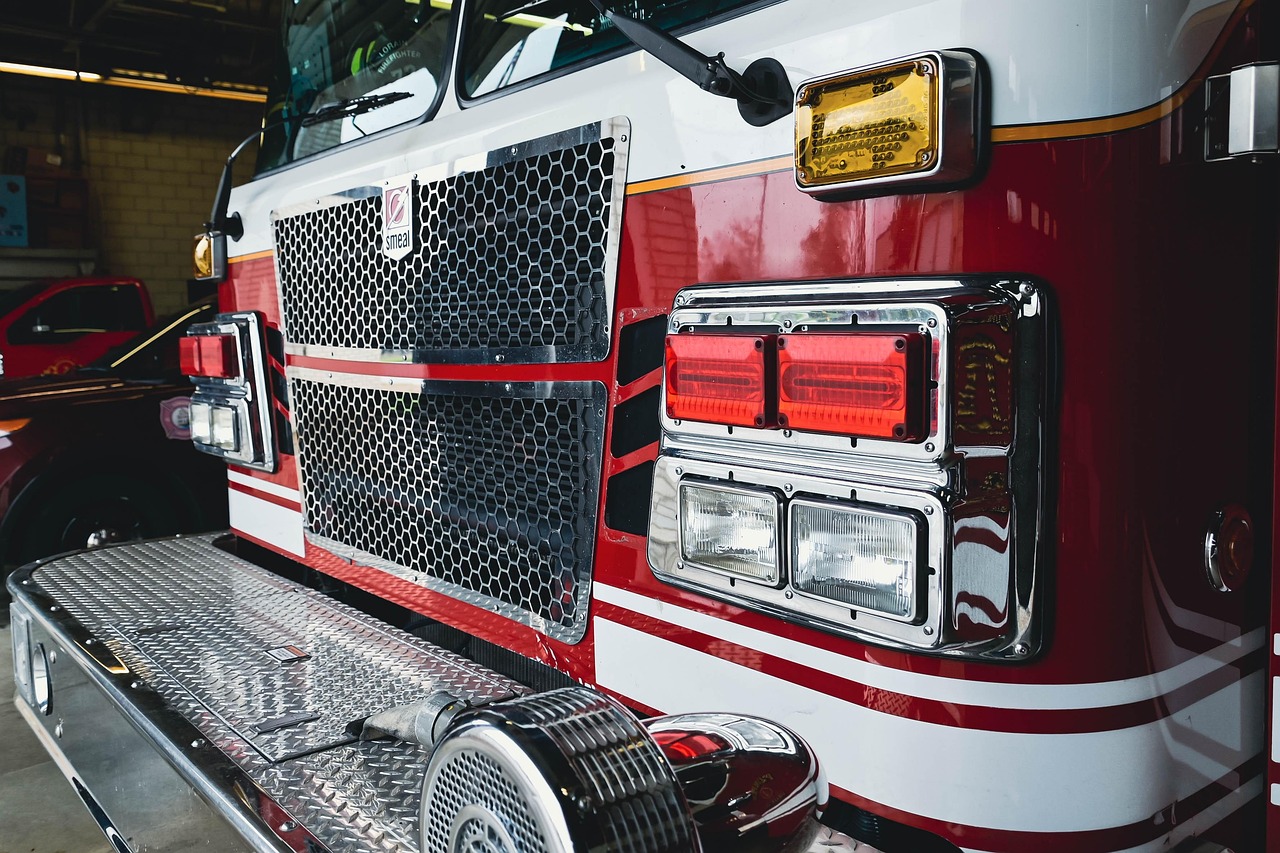
Denmark's first emergency supermarkets
Denmark's largest retailer is equipping 51 supermarkets with emergency generators to secure basic supplies even during a widespread power cut.
-
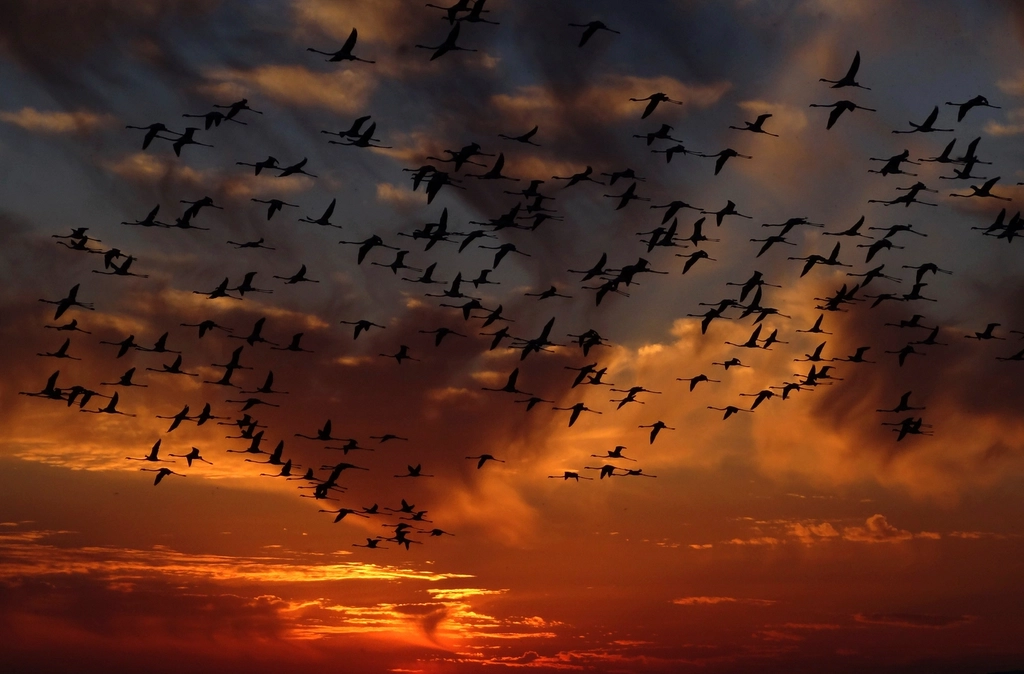
Nature as a model: why decentralisation and diversity will save the systems of the future
How decentralisation, diversity and principles from the natural sciences create more stable, crisis-proof systems – a systems-theory analysis.
-

GfKV: The delayed crisis
GfKV newsletter no. 22 analyses fragile supply chains, dwindling reserves and the importance of timely crisis preparedness.
-

GfKV: Global system break is reality
The GfKV newsletter warns: the global system break is already under way. What this means for politics, business and society – and how we should respond.
-

Preparedness is not extreme – it is common sense
Resilience begins in everyday life: concrete preparedness measures for supplies, energy and security in uncertain times. A very personal food for thought.
-

GfKV: Global system break: when systems tip over
GfKV reports: global crises are escalating – energy, supply chains and supply under pressure. Why preparedness is decisive now.
-
GfKV: Hormuz shock in three waves
GfKV reports: Marco Felsberger shows why the Hormuz crisis hits supply chains in waves and has a far longer economic after-effect.
-
From crisis thinking to the capacity to act
GfKV: crises show that planning is not enough. Why resilience needs action and antifragile thinking is becoming the basis of modern security.
-
First lessons from the Berlin power cut in January 2026
GfKV explains in brief: Berlin without power from 3 to 7 January 2026 – causes, consequences and lessons for resilience, crisis management and blackout preparedness.
2024
-

Challenges in the Energy Supply System
As far as energy supply is concerned, the coming months are likely to bring further major challenges for the European electricity supply.
2023
-
Society for Crisis Preparedness – newsletter #12
Underestimated consequences of a possible electricity shortage: although there are no concrete signs of 'brownouts' in the coming months, we want to point out their far-reaching and often underestimated consequences.
-

Grid reserves completely exhausted
"Grid reserves exhausted […] physics strikes back […] a game of poker". APG: 110 million went into emergency measures by August, more than in 2022.
-
Society for Crisis Preparedness – Newsletter #11
The focus of this newsletter is food supply after a blackout. We shed light on connections that we may not always be aware of in everyday life, because almost everything usually works smoothly anyway.
-
Society for Crisis Preparedness – Newsletter #10
On 15 July 2023 the general assembly decided to change the name "Austrian Society for Crisis Preparedness", to extend our activities to the neighbouring countries Germany and Switzerland and to express this in the name "Society for Crisis Preparedness".
-

Problem for renewable energy: expensive grid stabilisation
Stabilising the German power grid was more expensive in 2022 than ever before: the electricity industry had to spend 4.2 billion euros to counteract grid bottlenecks.
-

Emergency food supply after a blackout
In many areas, blackout preparedness is still reduced to the duration of the power cut itself, which falls well short. A supra-regional power cut would immediately affect all production and logistics and cause lengthy restart problems – including for the food supply.
-

Power cut at Europe's largest hospital
Despite its emergency power supply, the hospital was without electricity for around 3 hours. According to initial findings, a short circuit in a power distributor caused the outage at the Charité in Berlin.
-
The energy transition cannot be achieved through self-deception
Austria is investing 600 million euros in expanding PV systems. But is that the right way? What many people are not aware of are simple physical relationships that could thwart the whole plan.
-
GfKV Newsletter #09 – Society for Crisis Preparedness
Winter is not quite over yet, but the most critical phase has probably passed. In our last newsletter we encouraged you once again to make personal provisions for coming crises.
2022
-
GfKV Newsletter #08 – Society for Crisis Preparedness
In our last GfKV newsletter #07 before Christmas 2021 we encouraged you to make personal provisions for coming crises, as a number of facts pointed to a critical development.
2021
-
GfKV newsletter #07 – please prepare now!
We actually did not want to send out another newsletter before Christmas. In view of current, worrying developments, we decided to send one with a core message: prepare now.
-

Seven days without electricity – DOK1
Hanno Settele wants to find out: what happens if the whole country suddenly goes dark? For DOK 1 he plays through the emergency – a week of blackout.
-

Austrian interior ministry and APG sign cooperation agreement on blackout prevention
On 27 September 2021, the Austrian Ministry of the Interior signed an agreement on blackout preparedness with the grid operator Austrian Power Grid (APG).
-
GfKV newsletter #06 – Society for Crisis Preparedness
Blackout preparedness has been in the Austrian media more often in recent months. Preparedness activities are increasing – but so are sobering findings on drinking water, livestock and gas supply.
-
GfKV newsletter #05 – Society for Crisis Preparedness
Vulnerable power supply: "Guat is ganga, nix is g'scheh'n!" Further serious incidents on 17 May 2021 and 24 July 2021 – and why crisis preparedness is inadequate in many areas.
-

GfKV newsletter #04 – Society for Crisis Preparedness
We reported on the serious incident in the European interconnected grid on 8 January 2021 in GfKV newsletter #03. It has since emerged that the triggering event did not occur in Romania, as reported, but in Croatia.
-
GfKV newsletter #03 – Society for Crisis Preparedness
On 8 January 2021, the European power grid split in two. GfKV newsletter #03 puts the incident into perspective.
2020
-

Self-sufficient supply | Potatoes
Questions about supplying yourself with food. When is the right time to plant potatoes? Now would be a good time to start. That is why we are once again reminding you of the potato pyramids, with an offer from our member Johannes Kühmayer.
-

How fragile is our society?
Dealing with uncertainty. In our last newsletter, "Progress is being made", we showed that a negative event can also teach us something, so that we can deal better with the unexpected in future. What matters is the willingness to learn, which only really leads to resilience when it turns into intensive learning.
-
VuK Newsletter #34 – Progress is being made
A lot has happened again in recent months. Several times in 2019 a threatened collapse of the European power supply system was averted. Of nine events ranging from security-relevant to critical, eight took the interconnected grid to the limits of its stability.
2019
-
VuK Newsletter #33
Debates on the energy transition usually assume that electricity will go on coming out of the socket. VuK Newsletter #33 begs to differ.
-

Helios crisis exercise: an obituary by H. Saurugg
From 13 to 15 May 2019 the crisis (staff) exercise "Helios" took place in Austria under the leadership of the Austrian Ministry of the Interior. It was the largest cross-ministry crisis exercise in Austria to date; the scenario was an electricity shortage under § 15 of the Energy Control Act (EnLG).
-
Austria-wide blackout exercise "Helios"
Austria is rehearsing for an emergency – a widespread power cut lasting 3 days. The crisis exercise runs until Wednesday, 15 May 2019, and above all aims to test how well cooperation works in an emergency, reports futurezone.at.
-
Self-sufficient supply | Potatoes
How independent are you when it comes to your food supply? What happens if supermarket doors stay closed for days? With a potato pyramid on about one square metre, you can grow your own basic supply of potatoes.
-
Self-sufficient supply | Potatoes
How independent are you when it comes to your food supply? What happens if supermarket doors stay closed for days? With a potato pyramid on about one square metre, you can grow your own basic supply of potatoes.
2018
-

Anticipation is the magic word
Herbert Saurugg is a recognised expert on blackout scenarios. To support and show our appreciation for his work, we help to spread his information.
-

Health (emergency) care after a blackout
Herbert Saurugg sends the participants of the workshop "Health (emergency) care after a blackout" the summary of the workshop as a new guide, and points to a second new guide on preparing hospitals for a far-reaching power and infrastructure failure.
-
Emergency healthcare after a blackout
The workshop “Emergency healthcare after a blackout” takes place next week. So far 90 participants have registered, and a few places are still available.
