"Hot autumn": German government tackles four energy laws in one day
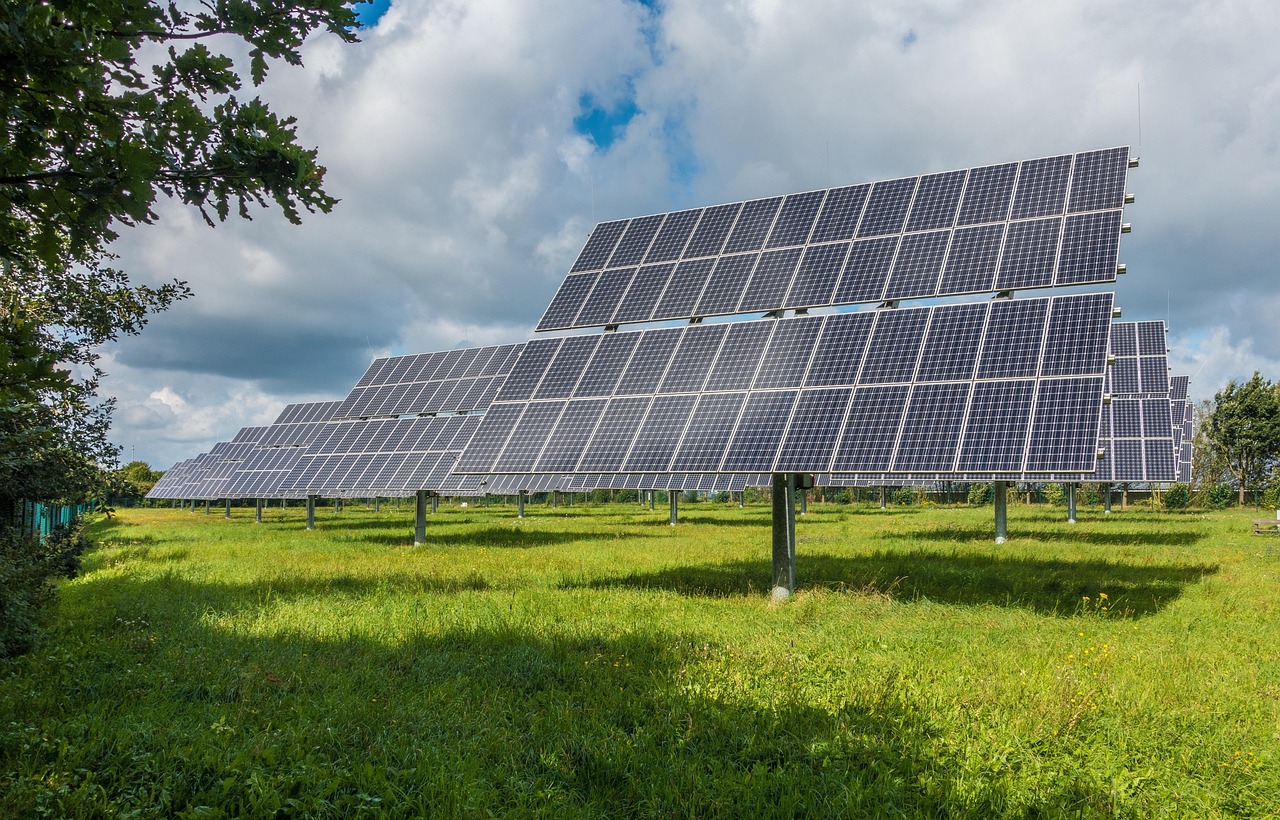
Maurice Forgeng, Epoch Times
In brief:
- The Bundestag intends to hold first readings of no fewer than four energy laws on 24 September.
- The EEG reform is intended to optimise the expansion of renewable energy.
- The grid package tries to compensate for grid expansion lagging behind.
- With the Energy Efficiency Act, the state and companies are to become more energy-efficient.
- Under the Fuel Emissions Trading Act, the CO2 price is to remain stable in 2027.
The Bundestag’s parliamentary summer recess has been over since 7 September. Now the governing coalition of CDU/CSU and SPD is entering the “hot autumn”, in which it intends to examine and adopt several reforms.
Some of them also concern energy policy. On Thursday, 24 September, the first readings of no fewer than four energy laws are on the agenda – marking the start of the autumn of energy policy reforms. They mainly concern the further course of Germany’s energy transition.
All four projects are currently still government bills in the parliamentary procedure and not adopted law. Changes are still possible until they are finally passed. Below is an overview of the reforms and what they mean.
EEG reform: making the energy transition more affordable and secure
Of central importance is the reform of the Renewable Energy Sources Act (EEG). The corresponding bill (German) is intended to guarantee “a predictable, cost-efficient, grid-compatible and market-oriented expansion of renewable energy in the electricity sector”. The EEG amendment thus prioritises “affordability, cost efficiency and security of supply” within the energy transition. The reform is to come into force at the beginning of 2027.
On the one hand, the 2027 EEG amendment abolishes the statutory guaranteed feed-in tariff. This state subsidy, introduced in 2000, made Germany’s solar boom possible in the first place. Instead, operators of installations with an installed capacity of up to 25 kilowatts (kW) are to sell their solar power to a direct marketer themselves in future.
During a 36-month transition period, however, there is to be (German) a reduced feed-in tariff before operators are to switch to direct marketing.
The EEG bill also provides for 50 per cent curtailment for new solar installations with a rated output of less than 100 kilowatts (kW). If a 60 kW installation could produce 45 kW in good sunshine, it may nevertheless feed only 30 kW into the public grid. This is intended to curb power peaks.
Another central measure of the new EEG is the introduction of contracts for difference for larger installations from 100 kilowatts. Operators continue to receive a safeguard. But if they earn considerably more on the market – for example in phases of high electricity prices – they must pay back part of the additional revenue.
Grid package to regulate grid connections
Another reform is planned in the form of the so-called grid package. The federal government calls it (German) an “amendment of energy industry law to synchronise the addition of installations with grid expansion and to improve the grid connection procedure”.
Put simply: the grid package is to reorganise the allocation of grid connections. The aim is to better synchronise the addition of renewable energy installations and electricity storage (German) with actual grid expansion. This is intended to compensate for grid expansion lagging several years behind. At the same time, the grid package is to reduce redispatch (German) costs.
The federal government wants to prioritise grid connections more strongly. The background is that the number of so-called grid connection requests to grid operators has risen massively (German). The range of criteria extends from meeting statutory targets through grid serviceability to spatial planning designations.
As part of the energy transition, thousands of kilometres of new power lines are planned so that wind power (German) produced mainly in the north can reach large consumers in the south. Despite great progress in the pace of expansion, there are still “obstacles” to grid expansion, often leading to implementation times of eight to twelve years, the bill says.
Energy Efficiency Act is being weakened
The Energy Efficiency Act (German), EnEfG for short, is intended to increase energy efficiency in Germany. Under it, the state, companies and data centre operators are to reduce their energy consumption, avoid energy losses and make efficiency potential more transparent.
The current amendment, however, provides for some relief, especially for existing data centres. Relaxed limits are to apply to them. The bill raises (German) several thresholds. Companies will therefore in future face a higher energy consumption threshold before they have to introduce energy management systems.
Particularly relevant here is the planned increase in the annual final energy consumption threshold for companies from 7.5 to 23.6 gigawatt hours (GWh).
Fuel Emissions Trading Act: CO2 price stays constant – for now
As the fourth energy law, the federal government also wants to decide on 24 September on the revision of the Fuel Emissions Trading Act (BEHG). It regulates (German) future CO2 trading for heating and fuel, that is, the CO2 price.
In May 2026 the CDU/CSU and SPD most recently agreed (German) to keep CO2 pricing in national fuel emissions trading stable in 2027. Accordingly, the CO2 price per tonne of carbon dioxide emitted is to remain between 55 and 65 euros next year as well – as already in 2026.
This article first appeared in German in Epoch Times – with kind permission of Maurice Forgeng. Translated from German by GAIA.
Cover image: mrganso / Pixabay
Notes on content provided by authors
Comments
Loading comments …
Become a member to comment publicly. GAIA members write comments in the members' portal — under their nickname, visible to everyone.