How your brain finds (new) solutions
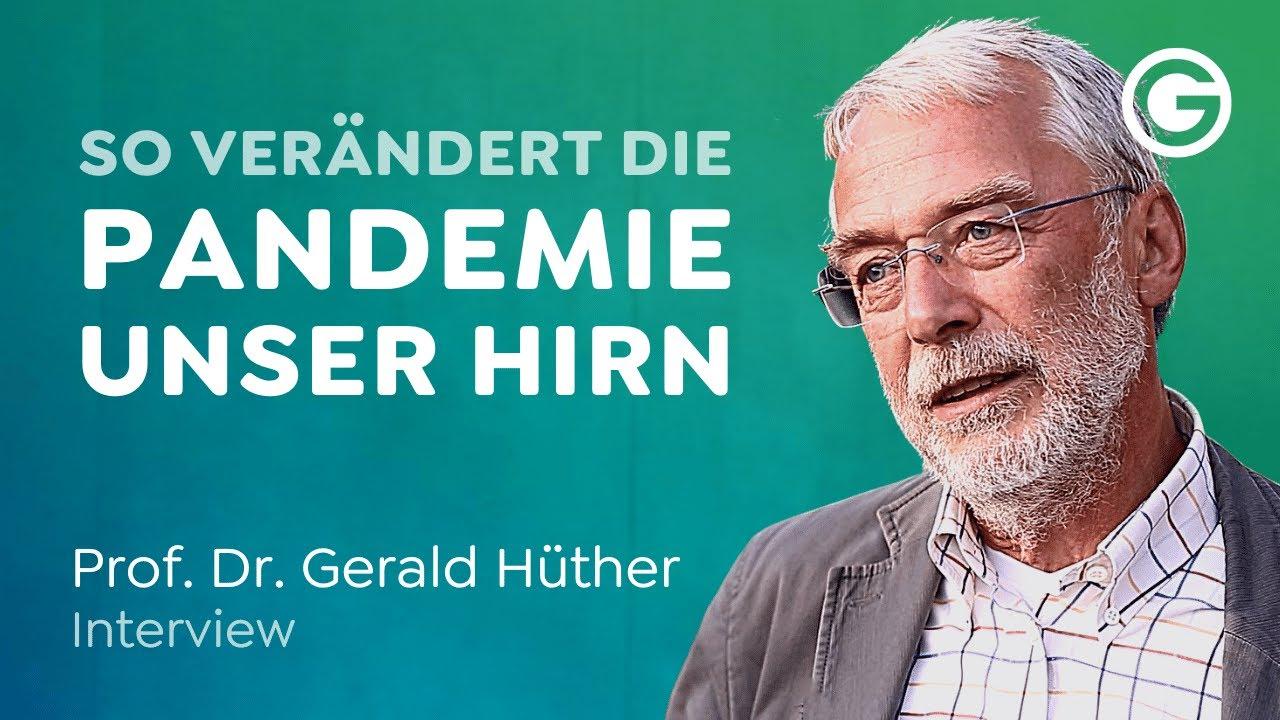
How does our brain work? According to Prof Dr Gerald Hüther, we are all endless seekers.
We cannot help looking for a solution to every one of our problems – even if the solution we find is not good for us. And since we have no biological programmes that make us what we are, we all have to find out for ourselves what it means to be human.
But here comes the big problem: most of us are not looking for self-knowledge but for SIGNIFICANCE. They want to be seen and noticed and therefore try to shape their lives so that they achieve as much as possible of what makes them significant in the eyes of all those travelling in a similar direction: influence, power and wealth in all its facets. Do you find this topic exciting? Then don’t miss this interview with Prof Dr Gerald Hüther. Enjoy!
HEY YOU ❗ Do you know your personal strengths and weaknesses? Do you want to know what (hidden) potential lies within you? Then take the scientifically based personality test now [FREE]. Find out which personality type you are!
Prof Dr Gerald Hüther is above all one thing: an idealist. Yet, as he says himself, he has never mistaken his role. Instead of giving tips or advice, he tries to explain situations and behaviour. He is guided by his motto of “looking at the world as a game” – and by no means means this selfishly. Rather, he inspires people to become the shapers of their own lives in order to connect with themselves. Only then, he says, can one also grow beyond oneself in relationships with other people.
Interview (German)

Notes on content provided by authors
Comments
Loading comments …
Become a member to comment publicly. GAIA members write comments in the members' portal — under their nickname, visible to everyone.