Olive oil: the underrated medicine from the kitchen

Dr. Peter F. Mayer, tkp.at
From antiquity to the present — why research confirms what Hippocrates knew, and how to find healthy, protective products. Olive oil has been regarded as a medicine for millennia.
Most of us have a bottle of olive oil standing in the kitchen. Hardly anyone knows that for millennia this oil was traded less as a foodstuff than above all as a medicine — and that modern research has largely confirmed this reputation. Hippocrates called it “the great healer” and described more than 60 medical uses. In a detailed report, A Midwestern Doctor sets out classical knowledge and modern research findings.
Pliny the Elder recommended pressing medicinal oil from still unripe olives — and modern chemistry confirms exactly that: early-harvest oils have the highest polyphenol content. Until the 20th century, pharmacies in the USA and Europe sold olive oil to be taken internally for digestive problems and high blood pressure — the British Pharmaceutical Codex of 1911 listed olive leaves as a fever remedy, as a substitute for quinine.
The oil is also deeply embedded in our culture linguistically: our word petroleum comes from the Latin for “oil from the rock” — what was meant was olive oil. The ancient world ran on it, as ours runs on crude oil: as food, fuel, medicine, soap, perfume and at times as currency.
The Ancel Keys moment and the Spanish PREDIMED study
After the Second World War, the American physiologist Ancel Keys noticed that Greeks and Italians, despite moderate to high fat consumption, comparatively rarely died of heart attacks. He suspected that the type of fat was the cause. His Seven Countries Study showed: heart attacks were rarest where fat came mainly from olive oil.
Decades later, this hypothesis was tested directly in a randomised Spanish study with 7,447 participants at high cardiovascular risk — the PREDIMED study (DOI: 10.1056/NEJMoa1800389). Result: those who received a Mediterranean diet with additional extra virgin olive oil had around 30% fewer heart attacks, strokes and cardiovascular deaths than the group that was advised to cut down on fat. In addition: 40% less diabetes and 38% less atrial fibrillation.
A second Spanish study followed 1,002 heart patients for seven years and likewise found more protection against serious cardiovascular events than the classic low-fat diet (DOI: 10.1016/S0140-6736(22)00122-2. A meta-analysis of twelve studies with over 1.5 million people also showed lower overall mortality of 9%, cardiovascular mortality of 9%, cancer mortality of 6% and 13% less Parkinson’s and Alzheimer’s (DOI: 10.1136/bmj.a1344).
Irony of history: Keys’ broader warnings about fat triggered an American war against all fats — olive oil included — and a wave of low-fat industrial products full of sugar and salt.
What is in it — and what refining destroys
Olive oil is obtained mechanically: olives are crushed, and the oil is pressed or centrifuged. No solvents, no refining. This fundamentally distinguishes it from seed oils such as soya, rapeseed or sunflower oil, which are industrially extracted and refined.
- ~70% of the fat is oleic acid — a monounsaturated fatty acid, much more stable than the polyunsaturated fats in seed oils, which oxidise quickly.
- The decisive active substances are found in the remaining ~2%: over a hundred compounds, above all polyphenols.
The most important polyphenols are hydroxytyrosol, one of the oil’s strongest antioxidants and the basis of the EU health claim; oleocanthal, responsible for the scratchiness in the throat, which inhibits the same enzymes as ibuprofen; oleacein, the chemical relative of oleocanthal, with anticancer and metabolic activity in early laboratory and animal studies (DOI: 10.3390/ijms150712323); and squalene and vitamin E, antioxidants that protect the oil itself and the tissue of those who eat it. The latter supplies α-tocopherol, the biologically most active form of vitamin E, which the cosmetics industry has long used to protect the skin from sun damage — an overview can be found in this RSC volume.
The decisive point: The difference between extra virgin olive oil and refined oil does not lie in the oleic acid — that is almost the same in both. It lies in those 2%. And they are destroyed by refining.
Since 2012, the EU has permitted a health claim for olive oil polyphenols (Regulation 432/2012) — but only for oils with at least 5 mg of hydroxytyrosol and related compounds per 20 g (about 1.5 tablespoons). That corresponds to roughly 250 mg of polyphenols per kilogram. The reality: the content varies between 50 and 800 mg/kg depending on variety, growing location, degree of ripeness and mill. Two bottles, both legally labelled “extra virgin”, can differ in their active substances by more than a factor of ten.
A detail that is often overlooked: many of the most valuable compounds do not yet exist in the olive. The fruit contains instead oleuropein and ligstroside — so bitter that a fresh olive only becomes edible after curing. When the fruit is crushed, an enzyme in the pulp splits off a sugar and converts them into oil-soluble secoiridoids, including oleacein and oleocanthal. Some of it only arises in the mill. The bitterness that makes the raw olive inedible thus becomes the medicine of the oil — and a large part of it arises during pressing.
Oleocanthal: the chance discovery of 1999
One of the most important active substances was discovered through taste. In 1999, Gary Beauchamp, a researcher in taste and smell chemistry, tried freshly pressed oil at a conference in Sicily — and immediately recognised the burning at the back of the throat. He had just spent months on ibuprofen studies and knew this unusual sting that occurs only in the throat.
He was right. His team isolated oleocanthal (oleo = olive, canth = sting, al = aldehyde) and found: although the compound looks completely different from ibuprofen, it inhibits the same COX-1 and COX-2 enzymes. In the laboratory, oleocanthal blocked 41–57% of COX activity, ibuprofen only 13–18% (Nature, 2005).
That means, concretely: you can tell by the taste whether your oil works. Mediterranean tasters have long rated oils as “one-cough” or “two-cough” — oils without any scratchiness probably contain hardly any oleocanthal. Important: sensitivity is individual; an oil that barely tingles for one person can trigger coughing in another.
A note on dose: 50 g of fresh oil a day supply only about 10% of the ibuprofen dose for pain relief. But that is not a problem — chronic low doses of COX inhibitors such as aspirin show anticarcinogenic and anticoagulant effects, and many chronic diseases are driven by low-grade inflammation that never fully subsides. A small daily dose of a natural anti-inflammatory is therefore possibly more useful than an occasional large one — especially as regular NSAID use has considerable side effects, such as damage to the intestinal lining.
Joints, brain, cancer
Bioavailability: Unlike many plant compounds, the polyphenols of olive oil are absorbed unusually well. Hydroxytyrosol and tyrosol are absorbed by 40–95% in the small intestine. In animal experiments, hydroxytyrosol accumulated in the liver, kidneys and brain — it appears to cross the blood–brain barrier, which most antioxidants fail to do (PMC review). A further advantage: substances such as oleacein dissolve in both water and fat and can therefore act in the blood as well as in the brain or in fat cells. And the oil itself seems to be the best transport system — when polyphenols were administered in water, yoghurt or refined oil, they were absorbed less well than in virgin oil (PMC study).
Joints: In a randomised study of 51 rheumatism patients, a Cretan Mediterranean diet with olive oil as the main fat led after twelve weeks to less inflammatory activity and better physical function (DOI: 10.7326/M13-1725). Among 365 rheumatism patients, those with the highest olive oil consumption had the lowest disease activity. Applied directly to the knee, olive oil relieved pain better than an NSAID gel in a small double-blind study; in another study, used with ultrasound in athletes, it worked just as well as an NSAID gel, only faster. Across more than 15 randomised studies, olive oil lowered C-reactive protein, and in seven also interleukin-6.
Brain: In the laboratory, oleocanthal interfered with the formation of tau fibrils and protected neurons from amyloid fragments; in mice it increased the clearance of beta-amyloid. In a six-month study of adults with mild cognitive impairment, a polyphenol-rich oil (approx. 1,200 mg/kg) improved blood–brain barrier function and connectivity — refined oil did not (PMC study). An observational study of over 92,000 American nurses and health professionals over 28 years found that more than half a tablespoon of olive oil daily was associated with a 29% lower risk of dying of a neurodegenerative disease and a 17% lower risk of dying of cancer.
Note: decades of research narrowly focused on removing amyloid produced drugs with barely noticeable benefit at enormous cost — and frequently brain swelling and bleeding. Olive oil acts on many aspects of the disease at once.
Cancer: A 2015 Rutgers study found that oleocanthal killed pancreatic, breast and prostate cancer cells in just 30 minutes by making their lysosomes burst — healthy cells remained unharmed (DOI: 10.3390/antiox9080685). In the PREDIMED study, women on olive oil developed breast cancer about a third as often as the low-fat group.
Gut: What is not absorbed in the small intestine reaches the large intestine, where it is fermented by bacteria — with a prebiotic effect. In mice, virgin olive oil improved the gut microbiota compared with other fats and refined oil. The polyphenols also counteract the formation of toxic aldehydes (4-HNE, MDA) produced by oxidised fats. In a large Italian-Swiss study, people who fried with olive oil instead of other oils had a lower risk of colorectal cancer (ScienceDirect study).
Skin: In a 2022 analysis of four randomised studies with over 1,600 patients, olive oil applied to the skin reduced pressure ulcers by around 44% compared with standard treatments.
Fraud — and the much bigger problem
Olive oil has always been one of the most frequently adulterated foods. The worst case: Spain in 1981, when rapeseed oil laced with aniline was sold as olive oil — over 20,000 poisoned, an estimated 800 dead, thousands with permanent neurological damage.
But the criminal cases are only the tip of the iceberg. The much greater danger is something else: genuine olive oil that has turned rancid or old before it is sold.
What independent tests show: in 1991, Bertolli and other large companies bought oil blended with hazelnut oil and sold it as olive oil. In 2004, of 31 “extra virgin” bottles from German supermarkets sent to trained tasting panels, only one passed — most were classified as lampante, that is, legally not edible. An analysis by the University of Bologna found that 70% of “extra virgin” oils under €3 per litre were not really extra virgin. Since Canada began testing in 1997, over 20% of oils were fraudulent — the USA, which did not carry out systematic tests, probably fared worse.
UC Davis tested imported “extra virgin” oils in California and found 69% failures, compared with 10% for Californian oils. In a later study of restaurant oils, 60% of the “extra virgin” samples failed the sensory test — some so badly that they counted as lamp oil — although almost all passed the chemical tests. In the largest US testing programme, published in 2025 by the North American Olive Oil Association, no adulteration was found in 190 samples from the 15 top brands and 37 private labels, but 11% of the extra virgin samples did not meet the grade.
The most common method of fraud is not complete substitution but deodorisation: low-quality olive oil is treated at low heat to remove rancid or musty notes and then blended into better oil. This is the hardest to detect because the producers have laboratories at the level of the big brands and adjust their blends so that they stay just below the detection limits.
The decisive lesson: Criminal adulteration makes headlines but is small in volume (the 260,000 litres seized in 2023 are tiny compared with the ~1 billion litres that Spain and Italy produce in a weak year). The real risk for most people is not counterfeit oil — but genuine olive oil that is too old or too poorly made to deliver the effects seen in research.
How to recognise genuine, fresh oil
Freshness is the most important thing. Olive oil begins to degrade as soon as it is pressed.
If you find a harvest date, go for it. Without a harvest date: choose the bottle with the latest “best by” date. Freshness often beats the brand — the “best” brands perform much worse in tastings when they are more than a year old.
As for packaging: light destroys polyphenols. Over a year, oil in dark glass kept in the dark lost only 10–15% of its polyphenols — oil in clear glass exposed to light lost 43–65%. Choose dark glass or tins. For the same reason, experts avoid the top shelf in the supermarket, where the light is closest, and at home the bottle belongs in a dark cupboard, not next to the cooker.
Early harvest means more polyphenols, because these fall with ripeness — early-harvest oils are more bitter and pungent. A specific origin (a country, a region, an estate) makes the oil more traceable. “Cold-pressed” is practically standard for extra virgin and says nothing.
The best test remains your own tongue. A good extra virgin olive oil should taste fresh and fruity, with some bitterness and a peppery sting in the throat. The most common defects are easy to recognise: rancid smells stale like old walnuts and shows oxidation; fusty smells heavy and fermented because the olives were stored too long before milling; musty smells damp like a cellar, from olives that began to go mouldy; winey has a sour, vinegary sharpness, from olives that fermented in the presence of air.
On storage: once a bottle is opened, the oil degrades with every opening. Keep it tightly closed and ideally use it up within two months. Oleocanthal and other polyphenols are particularly sensitive to storage temperature — the cupboard next to the cooker is one of the worst places. Avoid large plastic bottles where possible, because fat draws plasticisers out of the plastic: a 2024 study showed no big difference between plastic and glass after six months, but clearly higher levels in plastic after 18 months. If you buy in plastic anyway, look for a fresh packing date and do not wait too long.
For medicinal purposes, early-harvest Greek oils are a good choice — in an analysis of thousands of Greek oils, 74% met the polyphenol threshold of the EU claim, which is why so many of the most polyphenol-rich oils on the market are Greek.
Anyone who wants to know exactly what is in it buys only from producers who have every batch analysed in a laboratory and publish the results. A few make oil specifically for its medicinal value, with early harvest, immediate milling and laboratory testing — typically 500 to over 1,000 mg/kg, compared with the 250 mg/kg that the EU claim requires.
Cooking — smoke point is a myth
Many avoid extra virgin olive oil for cooking because of its low smoke point — and reach for avocado or grapeseed oil. That is a fallacy.
When ten common cooking oils were heated for six hours at frying temperature — a stress test far beyond normal household cooking — extra virgin olive oil produced the fewest harmful breakdown products — despite its lower smoke point. Coconut oil came next. Rapeseed, grapeseed and rice bran oil produced the most. The reason: the fat of olive oil is more stable than the polyunsaturated fats in seed oils, and the polyphenols additionally protect it from oxidation.
In a Spanish cohort study of 40,757 adults over 11 years, the consumption of fried foods (predominantly in olive or sunflower oil) was not associated with heart disease or death — the authors cautioned, however, that this would probably look different in countries that fry with solid or reused oils.
But: the polyphenols do not like heat. When sautéing, the oil lost 40% of its polyphenols at 108 °C and 75% at 170 °C. The loss was driven almost exclusively by temperature, not by cooking time. After sautéing, the oil still reached the EU claim threshold.
Practical rules: use a good everyday oil for cooking, and drizzle expensive polyphenol-rich oils over food raw. When frying, heat moderately; if it smokes, it is too hot. For roasting, coat the food, not the pan — oil on moist vegetables stays much cooler than the oven, whereas oil in an empty pan smokes first. Use it raw wherever possible: over finished dishes, in salad dressings, with bread or by the spoonful. Combine it with carbohydrates: in prediabetics, 10 g of olive oil with a meal lowered blood sugar and triglycerides, apparently via the hormones that promote insulin release; in type 1 diabetics, extra virgin olive oil after a high-carbohydrate meal caused about half as much blood sugar rise as butter. Replace other fats, do not simply pour it on in addition — this is how the effects were measured in most studies. The amounts are modest: the EU claim is based on about 1.5 tablespoons daily, while the participants in the large Spanish study consumed about four.
Caution: olive oil can be so effective that it replaces medication. In a six-month study, hypertensive patients on extra virgin olive oil needed 48% less blood pressure medication than on sunflower oil — 8 of 23 needed none at all any more. Anyone who takes medication and greatly increases their olive oil intake should monitor their values.
Olive leaf extract (OLE)
Olive leaves are considerably richer in oleuropein than the fruit and have a medical history of their own. The British Pharmaceutical Codex of 1911 listed them as a fever remedy, as a substitute for quinine.
Modern studies: 500 mg of OLE twice daily lowered blood pressure in hypertensive patients as effectively as captopril — and additionally lowered triglycerides, which the drug did not (DOI: 10.1016/j.phymed.2010.08.016). In another randomised study, twelve weeks of olive leaf polyphenols in overweight men improved insulin sensitivity by 15% and the responsiveness of the insulin-producing cells by 28% compared with placebo (DOI: 10.1371/journal.pone.0057622). A review of olive leaf extracts and a study on bioavailability can be found online.
Limitations and open questions
- Most of the cancer, Alzheimer’s and joint studies are laboratory and animal studies. The human evidence is strong for cardiovascular and metabolic health, weaker for the other areas.
- The EU health claim is based on 5 mg of hydroxytyrosol per 20 g — very few bottles declare whether they meet it.
- The PREDIMED study was republished in 2018 after an earlier paper was retracted because of protocol deviations. The result stood, but the story shows how vulnerable even good nutrition science is to methodological problems.
- The article argues against the concern that olive oil must be limited to a teaspoon a day because of its linoleic acid content, and that oleic acid promotes insulin resistance. According to the author, the evidence for this comes predominantly from studies with refined seed oils or from animal studies, whereas virgin olive oil contains only 3–21% linoleic acid, together with antioxidants that protect blood lipids from oxidation. In human studies, virgin olive oil improved blood sugar and slowed the thickening of the arteries.
Conclusion
Olive oil is the rare example of a food whose millennia-old medical reputation has been largely confirmed by modern research — randomised studies included. The problem is not the science but the market: what stands in most kitchens is a refined, old or wrongly labelled product that lacks precisely the 2% that matter.
The practical consequence is simple: look for the harvest date, dark glass, early harvest, and recognise it by the sting in the throat. And if you find an oil that scratches the throat — then you probably have what Hippocrates meant.
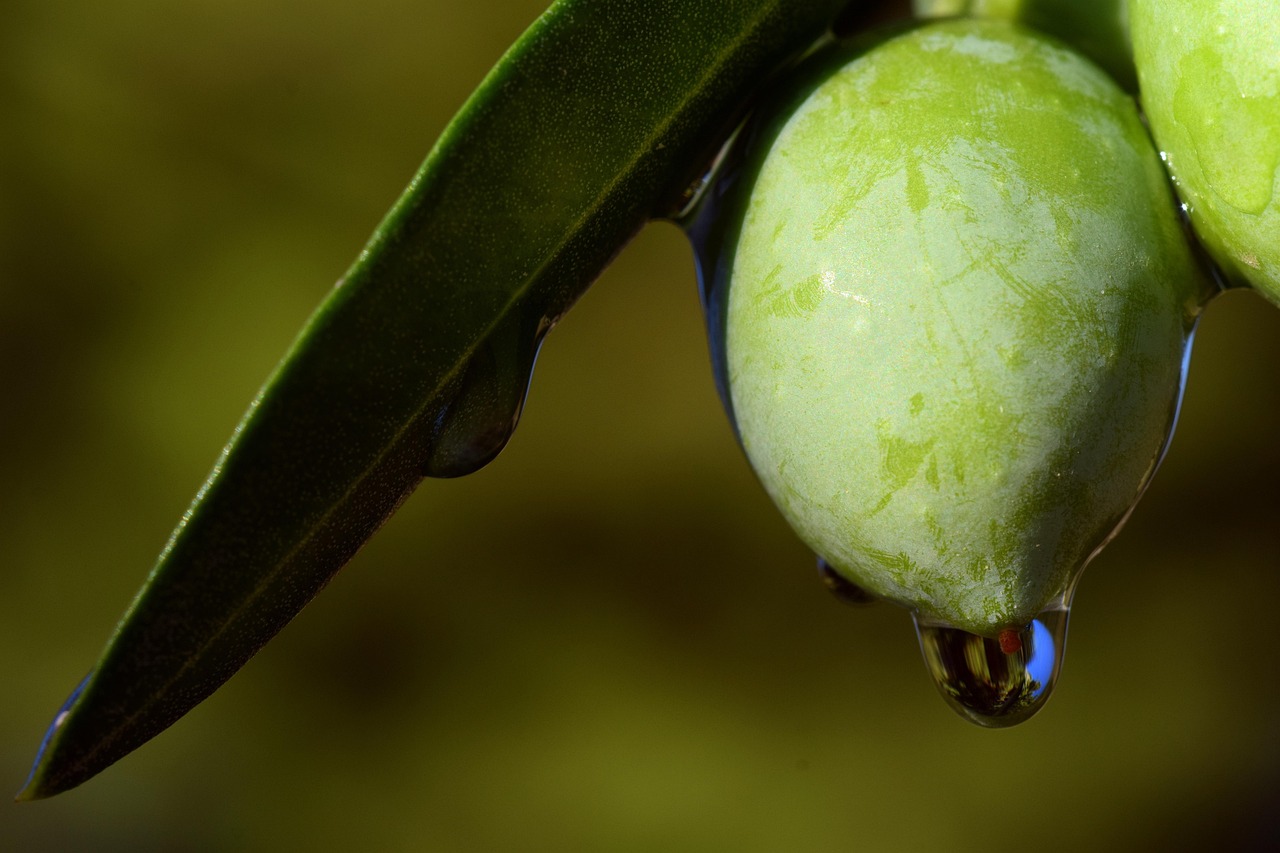
Image by Peter H on Pixabay
This article first appeared in German on tkp.at – with kind permission of Dr. Peter F. Mayer.
Notes on content provided by authors
Comments
Loading comments …
Become a member to comment publicly. GAIA members write comments in the members' portal — under their nickname, visible to everyone.