Sage: a Mediterranean herb with powerful effects

Thomas Oysmüller, tkp.at
Scientific research increasingly highlights the effects of sage not only on inflamed mucous membranes and sore throats. The herb also appears to have a positive effect on memory.
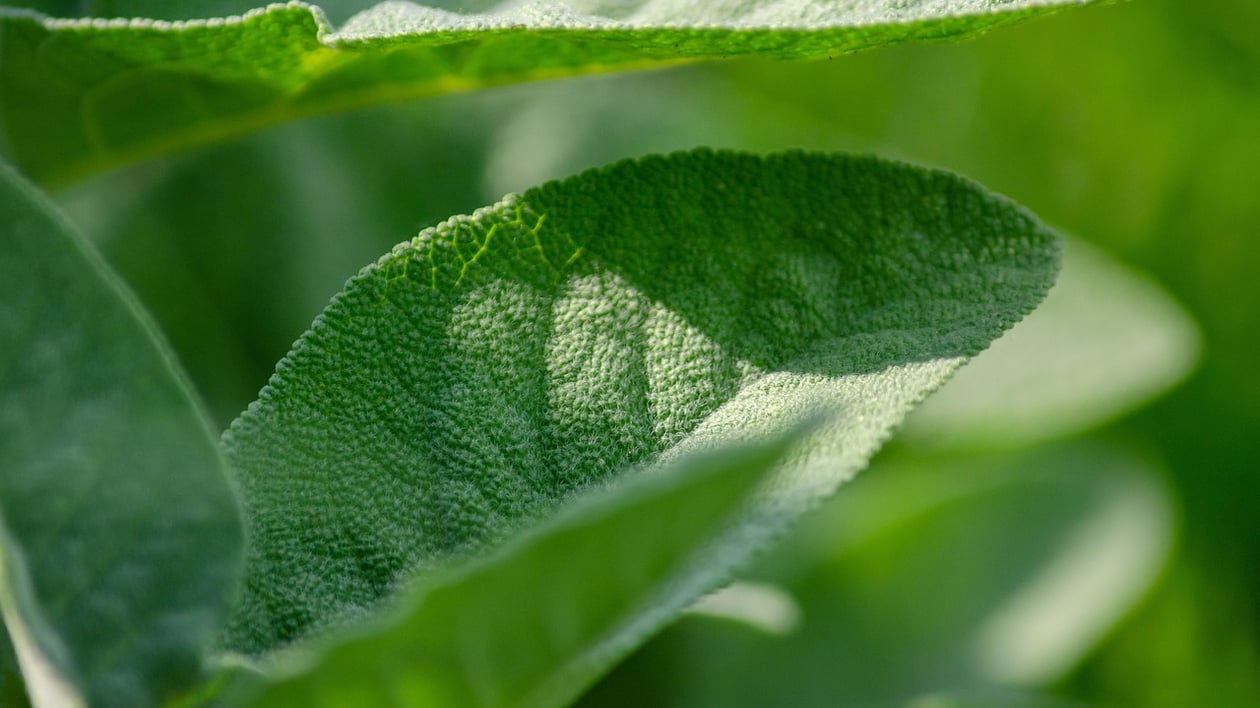
Sage (Salvia officinalis) belongs to the mint family, originates from the Mediterranean region and has been used in medicine since antiquity. The Greeks and Romans used it not only as a spice but also as a medicinal plant for mental exhaustion and to stimulate the senses. In other cultures, too, it served for purification and clarity. Now the plant is also coming back into focus in Western science.
Support for memory and attention
A key mechanism lies in the inhibition of acetylcholinesterase. As a result, more acetylcholine remains available – a neurotransmitter that is important for learning and memory and that declines in Alzheimer’s disease. In addition, there are antioxidant and anti-inflammatory properties that can protect nerve cells.
A double-blind, placebo-controlled study with Alzheimer’s patients showed, after four months with an alcoholic sage extract, clear improvements in cognitive tests and in the severity of dementia compared with placebo. Systematic reviews of several smaller studies confirm positive effects on memory, attention, concentration and mood – both in people with mild cognitive impairment and in healthy people.
More recent research supports this. A randomised study with healthy adults (2021) tested a standardised sage preparation (a combination of Salvia officinalis and Salvia lavandulaefolia). Already after two hours, and even more clearly after 29 days, working memory and accuracy improved in tasks such as the Corsi block test and numerical working memory performance. The effects occurred both acutely and chronically. Further reviews stress that above all aqueous and alcoholic extracts from the leaves produced positive results in clinical studies in mild to moderate Alzheimer’s disease and in healthy young people – even though participant numbers were often small and standardised extracts should be studied more often.
Laboratory and animal studies additionally point to neuroprotective effects, for example through reduced inflammatory markers and higher antioxidant activity. Rosmarinic acid and other phenols play a role here.
Relief for sore throats
In acute sore throats and pharyngitis, it is above all the antimicrobial and anti-inflammatory constituents that act. Volatile compounds such as 1,8-cineole, borneol, camphor and thujone inhibit, in cell experiments, the release of pro-inflammatory cytokines (IL-6 and IL-8) in human gingival fibroblasts – more strongly than non-volatile rosmarinic acid alone. This explains the traditional use as a gargle.
A large randomised, double-blind study of 286 patients with acute viral pharyngitis compared a 15 per cent sage spray with placebo. The spray reduced the intensity of throat pain significantly more than placebo within the first two hours and was well tolerated (only mild side effects such as slight burning). Another study compared a combination of sage and echinacea with a conventional chlorhexidine-lidocaine spray: both were comparably effective in reducing symptoms during the first three days. Observational data with sage-echinacea lozenges also showed rapid pain reduction and, in virus-positive cases, a decrease in the viral load in the throat.
These results support its use as a supportive measure for mild, self-limiting complaints – not as a substitute in severe infections.
Practical use
For a tea: pour about 150–200 ml of boiling water over 1–2 g of dried sage leaves and leave to steep for 10–15 minutes. Drink up to three times a day. For gargling, let the same infusion cool and use it every 30 minutes. Tinctures (1:10 in 70 per cent alcohol) are often dosed at 2–3 ml, up to three times a day. Use essential oil only diluted or inhaled – never swallow it undiluted.
Sage contains thujone, which in high doses can be neurotoxic and promote seizures. The (not very trustworthy) European Medicines Agency (EMA) sets a precautionary upper limit of about 5–6 mg of thujone per day for a maximum of two weeks for medicines containing sage. A cup of tea typically contains significantly less (often in the range of 0.15–1.4 mg, depending on variety and preparation). With short-term use in customary amounts, sage tea is considered safe.
Sage is an accessible herb with a long tradition and increasing scientific support for mild cognitive support and for sore throats.
This article first appeared in German on tkp.at – with kind permission of Thomas Oysmüller.
Cover image: Kathas_Fotos / Pixabay
Notes on content provided by authors
Comments
Loading comments …
Become a member to comment publicly. GAIA members write comments in the members' portal — under their nickname, visible to everyone.