Grid Expansion: Transformer Supply Problems


Grid expansion: transformers sold out
Source: LinkedIn, Herbert Saurugg
For a long time, transformers were available within 6 to 8 months. Utilities wanting to buy this most important piece of electrical infrastructure today would now have to wait 3 to 4 years if they have not already reserved one.
The supply chain bottleneck is another sticking point for power systems struggling with rapid growth in electricity generation and ageing infrastructure. In particular, the growing share of renewables in the electricity mix in some markets requires more transmission equipment, since these sources are often far from consumers and generate electricity from more distributed sources than conventional power plants.
This has created an urgent need to modernise the grid in order to cope with the huge waiting lists of new projects seeking grid connection, as regulators struggle to manage the comprehensive overhaul of the power grid required for decarbonisation.
“The transformer industry is under unprecedented stress. Power transformers are currently the most under-supplied critical grid equipment.”
Edvard Christoffersen, Senior Supply Chain Research Analyst at Rystad Energy
He also estimated that prices have risen by 40% since 2019 and that the supply crisis will last until at least the end of 2026.

Decentralised vs. centralised
We need decentralised energy
Expanding and renovating the power grid is an enormous organisational effort. Now supply bottlenecks for core components are increasingly straining modernisation. Nevertheless, our central power grid is currently the Achilles’ heel of electricity supply. The analyst’s statements once again highlight the need for decentralised, baseload-capable units for generating energy.
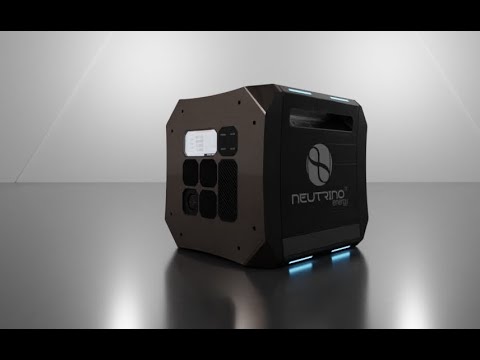
In our view, controllable, baseload-capable renewable energy sources at the point of consumption are an important – relieving – pillar for a sustainable electricity supply. One possible technology would be Neutrinovoltaic®, because with it energy can be generated continuously where it is consumed. Obviously, many advantages follow from this. As is well known, we have been following this innovative technology for some time and look forward to starting a field test with end users in Austria, with a continuous generating output of around 5 kW, together with the Neutrino® Energy Group from Germany as soon as possible. We are convinced that the first real tests of Neutrinovoltaic® in off-grid operation have the potential to help shape the energy transition positively.
Neutrinovoltaic® continuously converts invisible types of radiation and the energy from the motion of neutrinos into usable electricity. The technology is based above all on special properties of graphene, a refined two-dimensional form of graphite. More information and numerous articles on the topic can be found on the information page here.
Neutrinovoltaics information page

Notes on content provided by authors
Comments
Loading comments …
Become a member to comment publicly. GAIA members write comments in the members' portal — under their nickname, visible to everyone.