White hydrogen: what could be slumbering beneath our feet

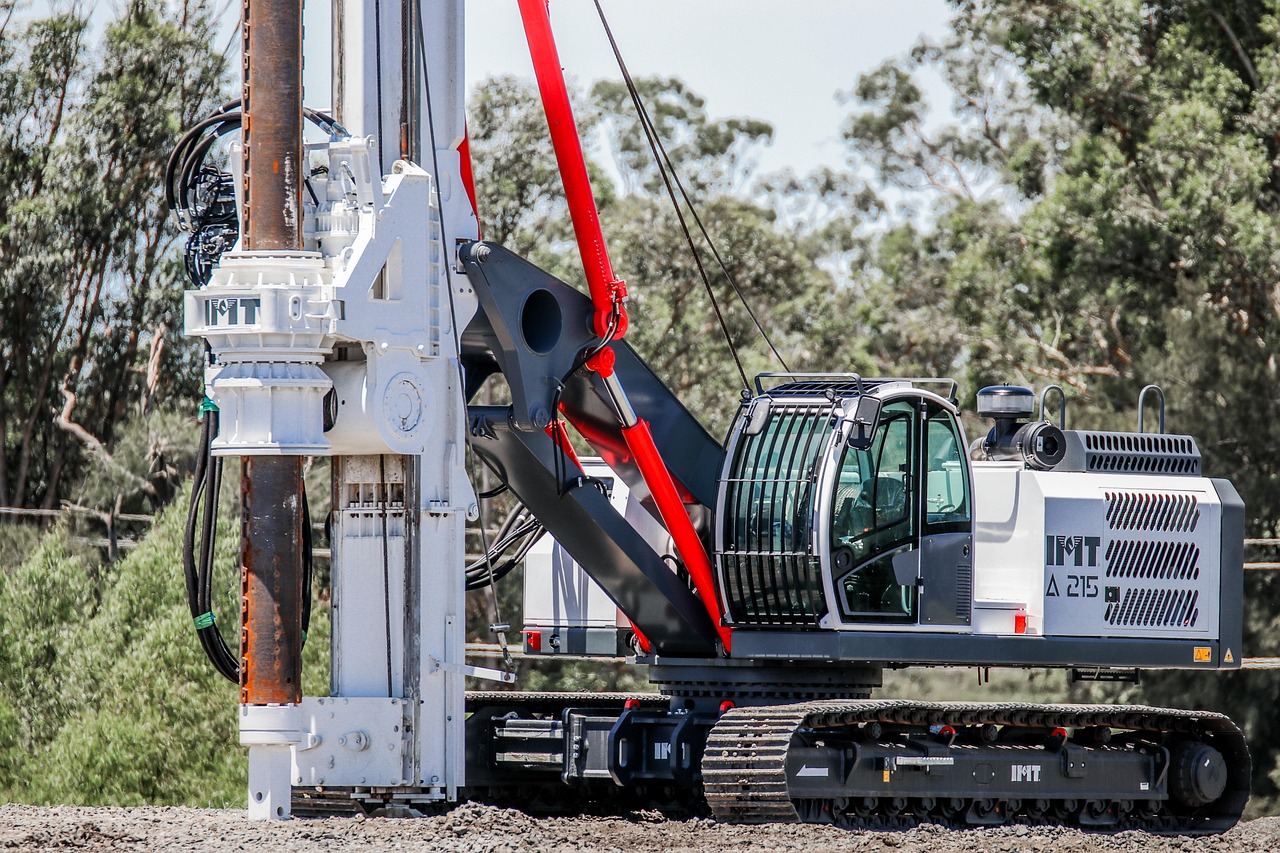
Natural hydrogen, also known as white or geological hydrogen, is attracting more attention as a possible energy source. A report by the magazine Futura-Sciences summarises how the gas forms in the Earth’s crust, where it can accumulate and why experts at the same time advise caution.
Hydrogen is not just hydrogen
Industry and transport are increasingly turning to hydrogen, for example in steelmaking, where it serves as a reducing agent and can significantly cut CO₂ emissions. The chemical and refining industries also need it as a raw material. By far the largest share of the hydrogen consumed worldwide today, however, comes from fossil sources and causes considerable greenhouse gas emissions. Green hydrogen, produced by the electrolysis of water using low-emission electricity, is regarded as an alternative. So far it is still very scarce. Natural white hydrogen could open up a different path, because it forms by itself underground without any added energy and requires no electricity for electrolysis.
Known for a long time, ignored for a long time
Natural hydrogen is not a new discovery. As early as 1888, the Russian chemist Dmitri Mendeleev described hydrogen escaping from fissures in a coal mine in the area of present-day Ukraine. For over a century, however, such occurrences remained a geological curiosity. That changed in 1987 in Mali. In Bourakébougou, a borehole that was actually meant to tap water struck a pocket of gas, and the gas caught fire. Analyses showed a hydrogen content of almost 98 per cent. Since 2012, the hydrogen from this borehole has been used to generate electricity with a generator installed on site.
How does the gas form, and where can it be found?
According to current knowledge, several processes in the Earth’s crust can produce hydrogen. The two most important are:
- Oxidation reactions with iron, when water reacts with certain rocks, for example during serpentinisation
- Radiolysis, in which natural radioactivity from elements such as uranium, thorium and potassium splits water
Formation alone is not enough, however. The gas can only be used economically if larger quantities accumulate, as in Bourakébougou. Recent studies name ophiolites, alkaline granites and very old rocks from the Archaean as formations that favour formation, migration or accumulation.
Such geological conditions also exist in Europe, for example in the Alps and the Pyrenees, in Lorraine and in the Aquitaine Basin in France. First hydrogen flows have already been detected there, but the actual potential is still open.
Lorraine in focus
For Lorraine, the report cites 46 million tonnes of natural hydrogen identified by researchers. This could be the largest deposit known to date. How reliable this figure is and how much of it could be extracted is not stated in the source material.
Geologists are studying a “hydrogen system” consisting of a source, migration pathways, reservoir rock and possible geological traps that hold the gas in place over long periods. Only once this system is understood can large-scale use be considered. It resembles petroleum systems but differs fundamentally from them.
Assessment
Natural hydrogen is a promising approach because it does without the electricity input of electrolysis and could occur in many regions, which is of interest for greater energy independence. At the same time, it is not strictly renewable: even if some processes still produce hydrogen today, the accumulation of usable quantities can take geological timescales. What matters, therefore, is not only how much the Earth produces, but how much is retained in accessible deposits. Production volumes and economic viability must first be shown by drilling and further research.
Source: Why white hydrogen deep underground could rewrite the future of energy forever, Futura-sciences, 29.09.2026. Text: GAIA editorial team.
Cover image: RetinaCreative / Pixabay
Notes on content provided by authors
Comments
Loading comments …
Become a member to comment publicly. GAIA members write comments in the members' portal — under their nickname, visible to everyone.