Household batteries seen differently

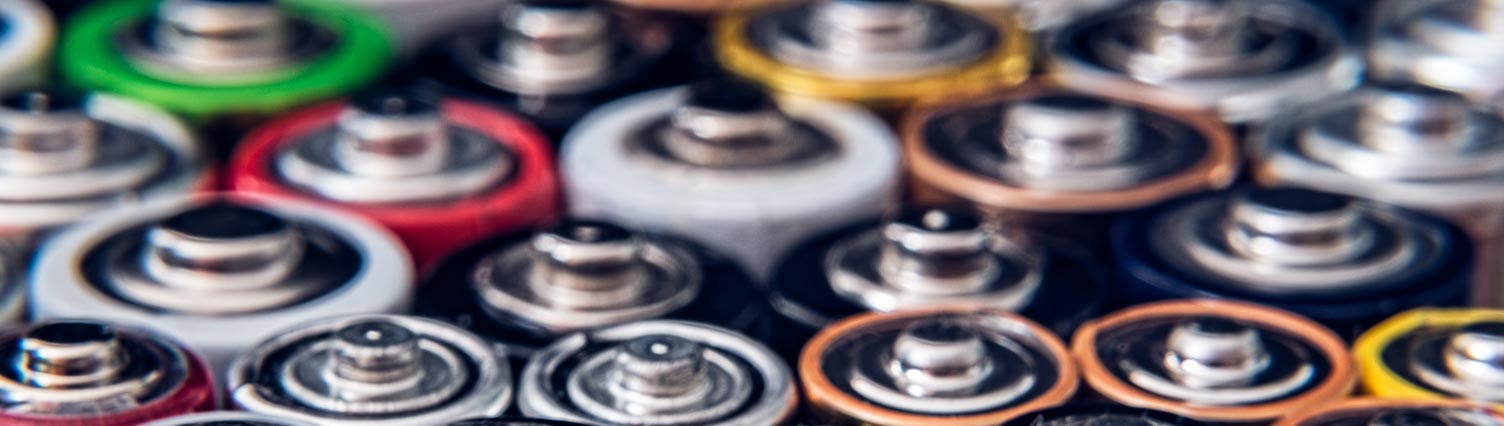
I have already made my preparations for a blackout and other crisis scenarios.
Because I consider crises likely in the times ahead. My current task now consists of “improving” or continually topping up my stocks. In the following case, my intention was to replenish my supply of household batteries (AAA, AA, C, D, …).
I am someone who gets to the bottom of things, wants to understand connections and intends to look at “the whole picture” in order to recognise what it takes to make the best decision.  Now, buying batteries is no big deal in itself. Nevertheless, I took some time to gather more information about the common battery brands.
No, I didn’t “google”. That search engine has been “dead” to me for a long time. I use startpage.com instead.
With it I researched:
Now, buying batteries is no big deal in itself. Nevertheless, I took some time to gather more information about the common battery brands.
No, I didn’t “google”. That search engine has been “dead” to me for a long time. I use startpage.com instead.
With it I researched:
- which companies the individual battery brands belong to
- which technologies are used
- which economic backgrounds exist that become interesting for value for money
Well, I was quite astonished at how deep the economic “swamp” is, even in this “harmless” branch of the energy sector! After all, we are not talking about the delicate subject of “free energy technology” here.
 Most of the well-known battery brands emerged from the technical pioneers of the 19th century. In recent decades (in some cases as early as the Second World War), however, these leading technology companies have become “playthings” of the financial elite, where only financial return counts.
Technology and the quality of development, design and production have to be subordinated to profit maximisation. However, this is only possible as long as everyone involved – especially the customers – goes along with it without objection. If we start asking questions, and also put these questions to retailers and businesspeople, the tide may turn.
In the long term, this could also bring back a certain ethical standard* in business. Here are links to pages that look at the subject of household batteries from an economic and a technical point of view (German):
Two articles from the link collection stand out for documenting the series of tests very well:
Nickel-zinc rechargeable battery test
In addition to the battery information, here are some links with comparative values for rechargeable batteries:
Best AA/AAA rechargeable batteries
Researching ownership structures and financial entanglements is somewhat more laborious. Strengthening this questioning is my intention with this post.
Who wants to do this “questioning” together with me within the Society for Self-Sufficiency (GAIA)? I look forward to comments or to contact by email.
* Morality (Sittlichkeit) is the totality of inner norms of behaviour relating to one’s attitude. Moral behaviour is behaviour directed towards the good for its own sake. Its orientation towards conscience and the good distinguishes morality from →law.
In conflicts between law and morality, the law in principle demands obedience to the law, but often takes the demands of morality into account by mitigating the → legal consequences. In a narrower sense, morality is sexual morality. Lit.: Reinert, H., Die Grundlagen der Sittlichkeit, 1973
Source: Juristisches Wörterbuch (legal dictionary) by Dr Gerhard Köbler
Notes on content provided by authors
Comments
Loading comments …
Become a member to comment publicly. GAIA members write comments in the members' portal — under their nickname, visible to everyone.