Mould despite AQUAPOL®?


Mould despite AQUAPOL®? Why we need to look more closely
Damp walls, a musty smell and mould growth are among the most common problems in older buildings. Many people automatically assume that mould always has the same cause: damp masonry. From our experience, however, we know that in practice it is often not that simple.
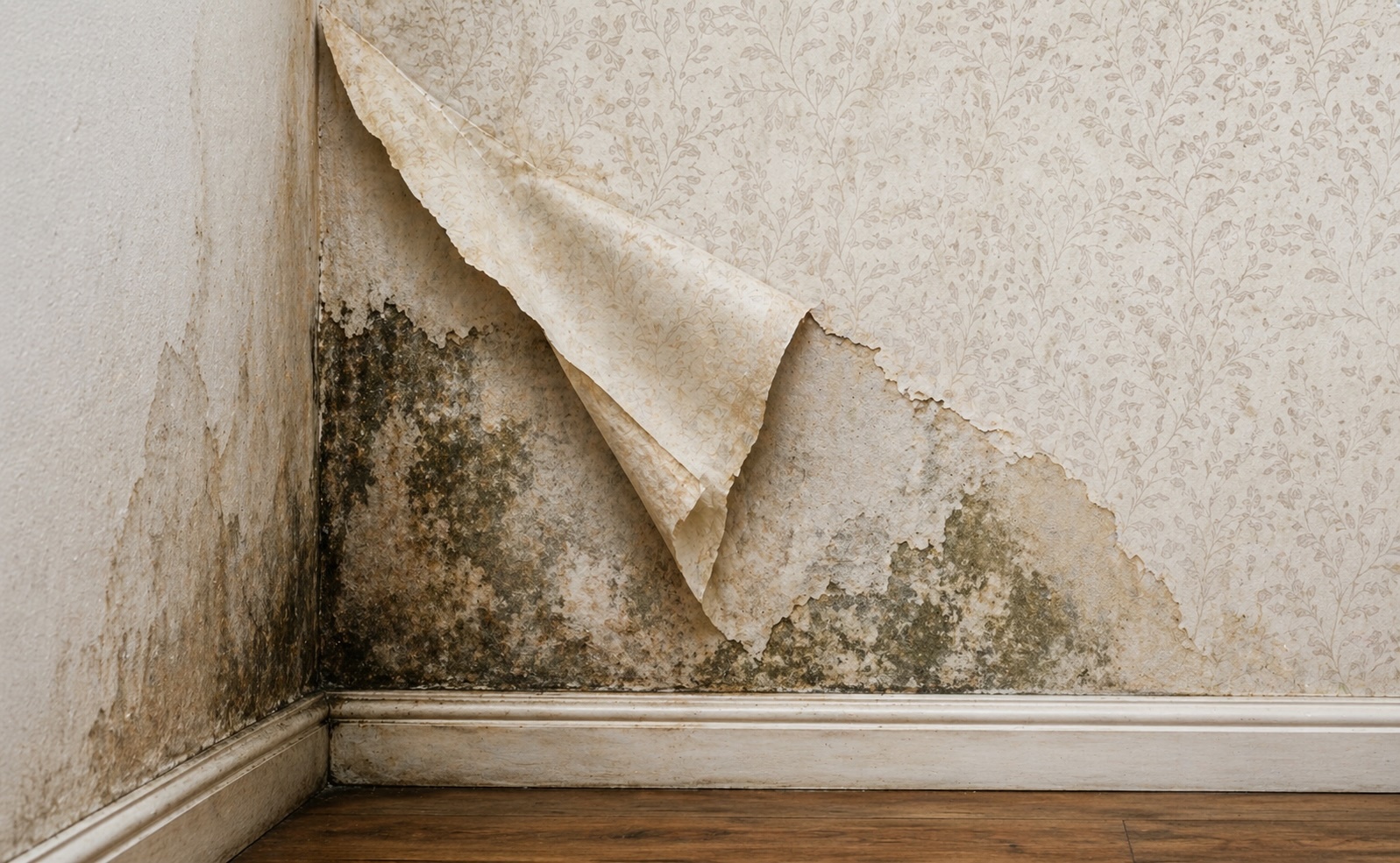
Not all moisture is automatically capillary rising damp. And not all mould automatically disappears just because the masonry becomes drier.
Not all moisture is automatically capillary rising damp. And not all mould automatically disappears just because the masonry becomes drier. That is exactly why we at AQUAPOL® would like to draw attention on the GAIA platform to an important specialist article we have published on this topic: “Schimmel trotz AQUAPOL®? Warum trockene Mauern allein oft nicht ausreichen” (Mould despite AQUAPOL®? Why dry walls alone are often not enough). The article was published on 10 June 2026 and explains where AQUAPOL® technology helps, where its natural limits lie and which additional measures can make sense for mould problems.
Our aim is not to raise false expectations. On the contrary: we want to explain transparently why a thorough analysis of the causes is the most important first step.
Where AQUAPOL® helps and where there is another cause
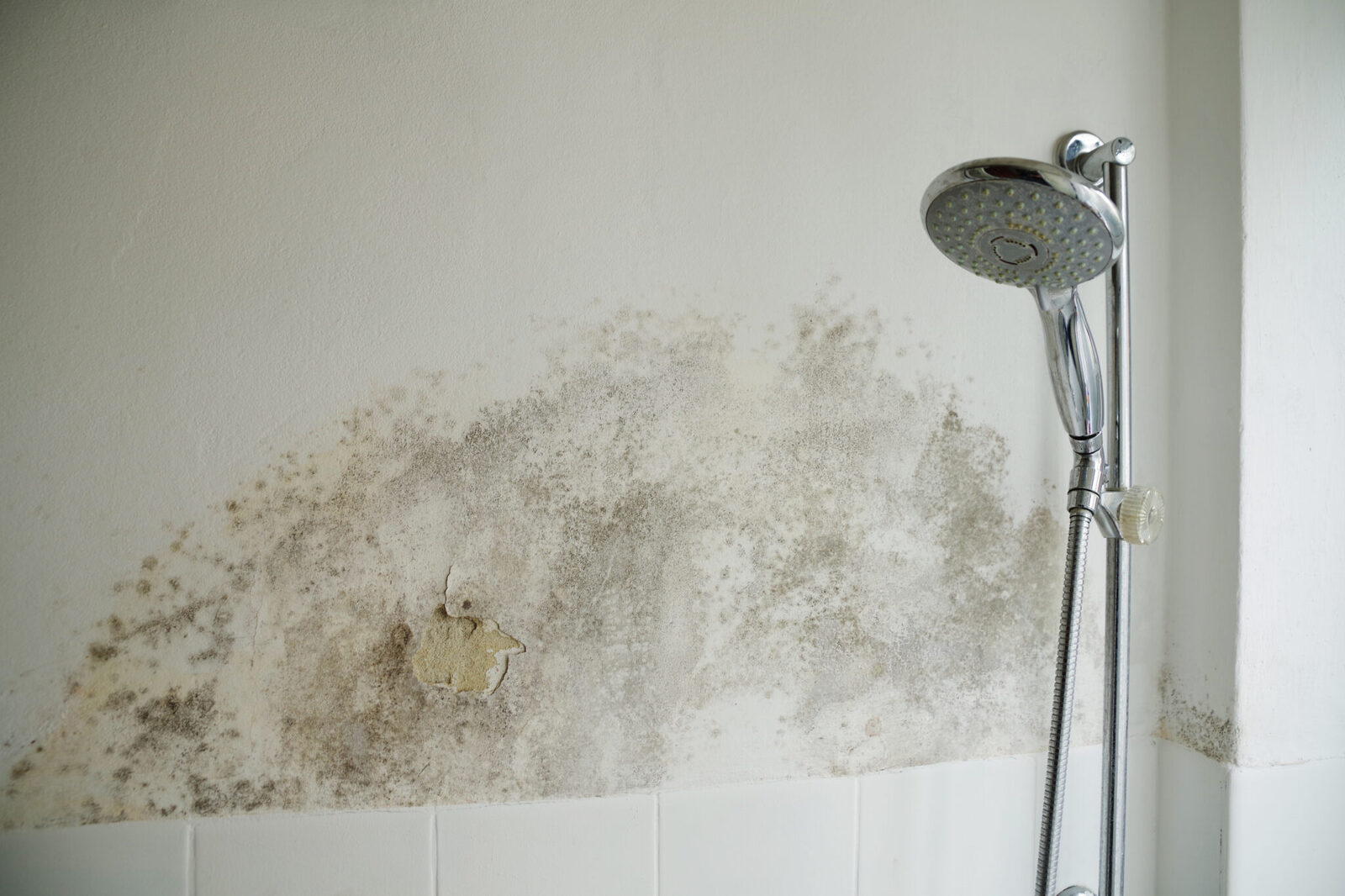
However, mould is not caused exclusively by rising damp.
AQUAPOL® technology was developed specifically to eliminate capillary rising damp. This refers to moisture that rises from the ground into the masonry via the capillary system. Especially in older buildings with missing or defective horizontal damp-proofing, this is a common cause of damp walls.
Where this form of wall moisture is present, AQUAPOL® can play an important role in drying out walls sustainably.
However, mould is not caused exclusively by rising damp. In older buildings in particular, several building-physics factors often come together: moisture penetrating from the side, hygroscopic moisture caused by salts, condensation, thermal bridges, poor air circulation, high indoor humidity or cold wall surfaces.
This means: a wall can already be getting drier inside the masonry – and mould can still appear on certain surfaces. In that case the cause often no longer lies in rising damp, but in condensation on cold areas of the wall.
Condensation is often underestimated
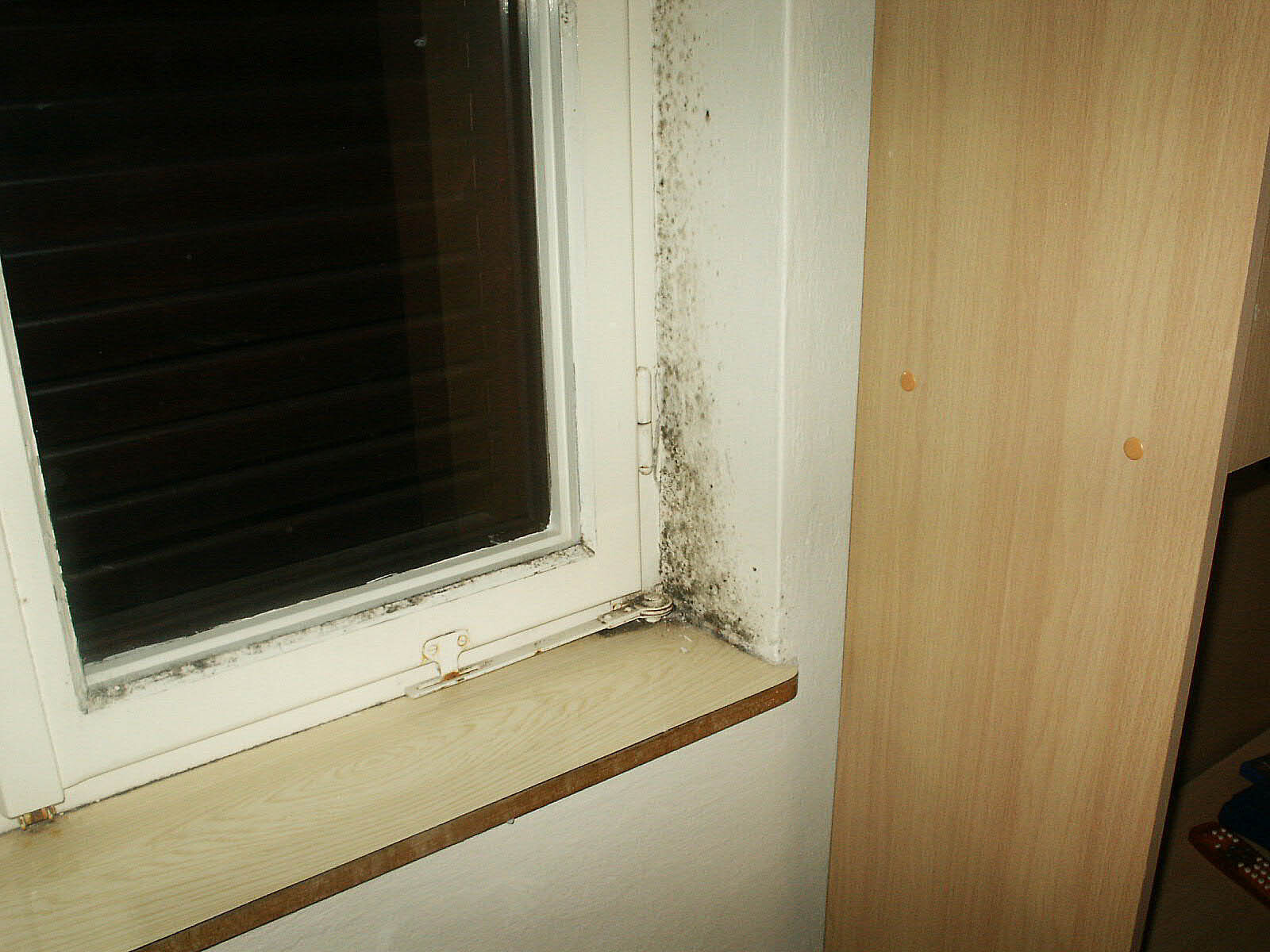
Outside corners, window reveals, north and east sides, bathrooms, bedrooms, kitchens, basement areas or poorly ventilated zones
Condensation arises differently from wall moisture. It does not come from the ground and does not rise up through the masonry. It forms directly on the surface when warm, humid indoor air meets cold areas of the wall and condenses there. Outside corners, window reveals, north and east sides, bathrooms, bedrooms, kitchens, basement areas or poorly ventilated zones are particularly affected.
This is often exactly where mould develops – even when the wall itself is not heavily saturated.
That is why our clear statement is: AQUAPOL® works against capillary rising damp, but it is not a general mould removal method. If mould is caused by condensation, thermal bridges or the wrong indoor climate, additional measures are needed.
This does not diminish the importance of successfully drying out walls. On the contrary: damp walls impair thermal insulation, surfaces become colder and condensation can be further encouraged as a result. A dry wall is therefore often an important part of a holistic solution – but not always the only measure needed.
A typical case from our everyday practice
An example from everyday AQUAPOL® practice is particularly illustrative. A customer reported back that mould was still present. On closer inspection, however, it turned out that the capillary rising damp had already been measurably reduced. The measured values fell from 74.10 % H₂O by weight to 60.97 % H₂O by weight, which according to the article corresponded to an average reduction in moisture in the masonry of around 24 per cent.
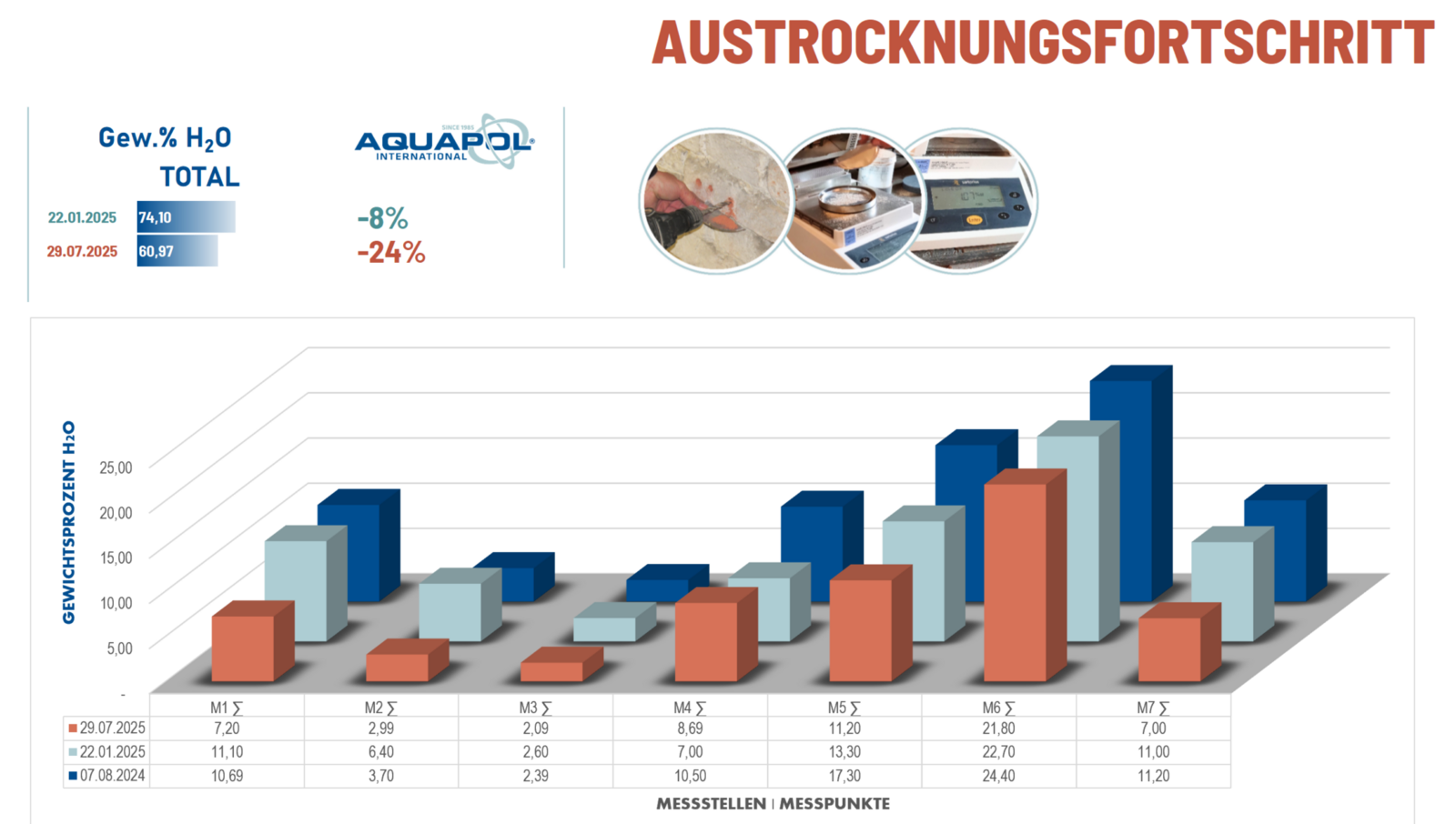
Initial value: 74.10 % H₂O by weight; check measurement: 60.97 % H₂O by weight; average reduction of moisture in the masonry: approx. 24 %
The remaining mould, however, appeared in a cold outside wall corner. The cause no longer lay primarily in the masonry, but in surface condensation, poor air circulation and a critical temperature zone. Cases like this show why mould must not be equated with wall moisture across the board.
What can help in addition
For smaller, localised mould problems, simple measures can often bring significant improvements. These include correct ventilation, adapted heating behaviour, reducing indoor humidity, better air circulation, sufficient distance between furniture and outside walls and targeted warming of critical wall areas. Mineral lime or silicate paints can also make sense, while problematic wallpapers or emulsion paints can further encourage mould growth under unfavourable conditions.
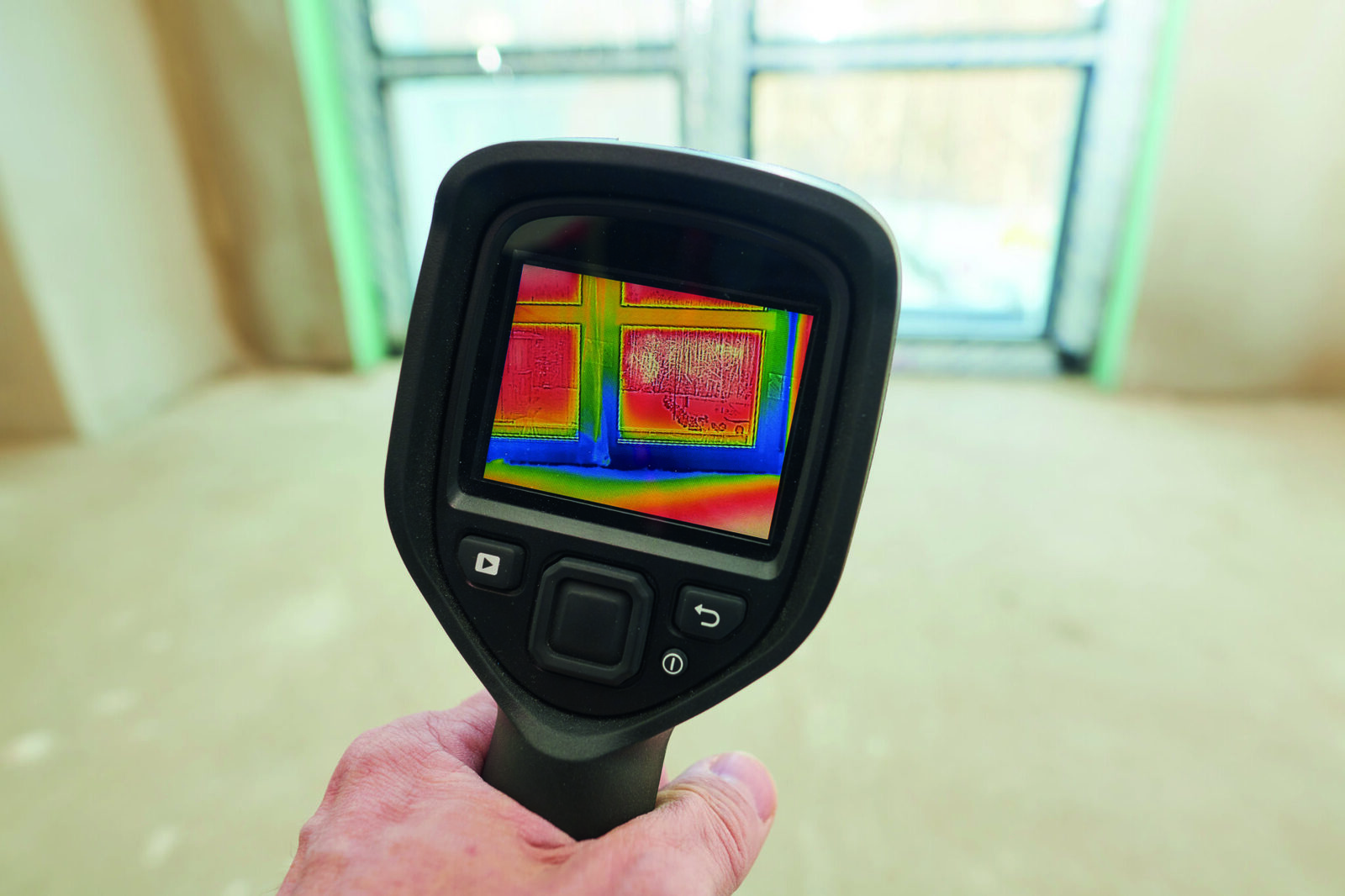
Damp walls impair thermal insulation, surfaces become colder and condensation can be further encouraged as a result
An often underestimated point is air movement. In outside corners in particular, the air is often almost stagnant. As a result, humid air stays longer on cold wall surfaces and condensation can form more easily. A small circulating fan or a quiet oscillating fan, combined with correct ventilation and heating, can already help to remove moisture faster.
For smaller, recurring condensation problems, our article also refers to the mobile infrared heating panels of our cooperation partner Schimmel-Dry. These panels were not developed for drying out walls, but for the targeted warming of critical wall surfaces. This can reduce condensation and lower the risk of renewed mould growth.
It remains important, however: in the case of large-scale mould, heavy infestation, health complaints, hidden mould, permanently damp rooms or a strong musty smell, a specialist company or mould expert should always be consulted.
Our aspiration: holistic solutions instead of false promises
It is important to us to communicate openly and honestly. AQUAPOL® works against capillary rising damp. That is where our decades of experience and our core competence lie. At the same time, we clearly name the limits of our technology, because buildings must always be considered as a whole system.
A single measure can be decisive in many cases – but it does not replace a close look at the actual causes. That is why we rely on analysis, education and suitable combinations of measures instead of blanket promises.
For us, this also means: those who understand their building better regain room for action. This is precisely a practical contribution to more independence and freedom in one’s own home and living space. Not every visible patch of mould has the same cause. But those who distinguish carefully can act in a more targeted way – and make better decisions for their house in the long term.
Sources

Here is the full original AQUAPOL® article (in German):
Notes on content provided by authors
Comments
Loading comments …
Become a member to comment publicly. GAIA members write comments in the members' portal — under their nickname, visible to everyone.