Energy Transition: Expensive Electricity


Germany pays both for supplying and for buying electricity
Dr. Peter F. Mayer, tkp.at (German)
As part of the energy transition, we are often told that wind and solar energy are, if not cheaper, at least competitive with fossil fuels. That is completely wrong. Wind and solar energy cost about five times as much per megawatt hour as, for example, natural gas. But that is not all: they produce a lot when little is needed and vice versa. Germany pays high prices for supplying surplus electricity to neighbouring countries.
We are told that wind and sun will save us from a climate catastrophe. If there is a looming climate catastrophe, the only thing that will save us is natural gas or nuclear power. Wind and solar energy are incredibly expensive methods of reducing CO2 emissions. The more wind and solar plants are built, the more the cost of removing CO2 rises.
Fossil fuels are not dirty. Modern natural gas or coal-fired power plants are ecologically harmless. CO2 is not a pollutant but plant food from the air that makes the Earth greener. CO2 makes plants grow faster with less water.
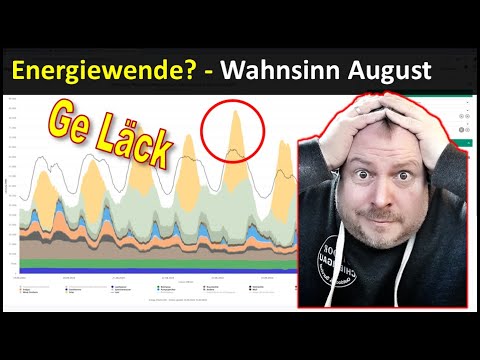
In the summer months, electricity generation and demand diverge completely. Solar installations in particular produce more than is needed. That would bring the grids to collapse, so buyers are needed at any price. So buyers sometimes even have to be paid more per kilowatt hour than one has to spend oneself on purchasing it. A completely absurd consequence of the “energy transition”. This situation gets worse with every newly installed solar panel.
The madness that went on in Germany in August at the expense of taxpayers and electricity customers is explained by Mr Blackout in the following video:
More on the topic (German)
- Energiewende und Green Deal haben Blackouts und steigende Kosten zur Folge
- Europäischer Strommarkt in Turbulenzen- Höchstpreise dank „Energiewende”
Original article on tkp.at (German)

Controllable renewable energy
We need baseload-capable renewable energy
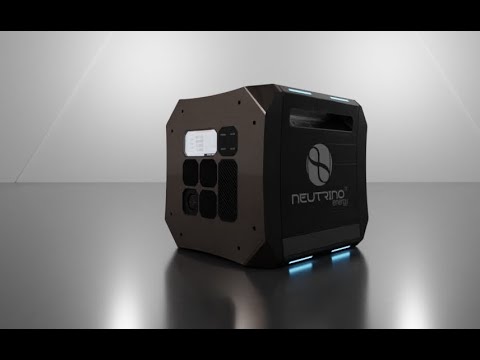
Regulating the power grid swallows vast sums – and the cost keeps rising. With every additional non-controllable renewable energy source connected to the grid, the effort required to stabilise it increases too. Organisationally, this is a huge effort in the European interconnected grid. More decentralised energy generation could bring relief – but only if it is controllable, i.e. baseload-capable.
Local energy generation at the point of consumption offers, among many other advantages, above all relief, and so helps stabilise the central structures. At a global level, decentralised energy production is even a key answer to numerous future challenges.
Neutrinovoltaics information page

Notes on content provided by authors
Comments
Loading comments …
Become a member to comment publicly. GAIA members write comments in the members' portal — under their nickname, visible to everyone.