Groundbreaking cooperation between India and Germany


One of the most ambitious projects is moving closer to realisation
A partnership between India and Germany is working on the “Car Pi” electric car, which is no longer meant to draw its energy from the charging station but simply from its surroundings. The Car Pi thus works independently of electricity from burning fossil fuels. This project, budgeted at USD 2.5 billion, was launched back in March 2021.
The sensational news comes from the International Conference on Multifunctional Electronic Materials and Processing (MEMP 2021), held in India in March 2021. At this conference, the computer scientist Dr Vijay Pandurang Bhatkar, chancellor of India’s Nalanda University, officially announced the signing of a Memorandum of Cooperation (MoC). Vijay Pandurang Bhatkar is respected worldwide as the architect of India’s national high-performance computing programme and creator of the PARAM supercomputer.
The memorandum establishes a new partnership between one of the world’s leading research and development centres for electronic materials, India’s C-MET science centre, and the Neutrino Energy Group. The German-American company based in Berlin has developed a technology for converting ambient energy into electric current with the help of an innovative composite material using graphene. “This new, unique smart alliance could set revolutionary processes in motion in energy generation and automotive engineering,” emphasises Holger Thorsten Schubart, CEO of the Neutrino Energy Group.
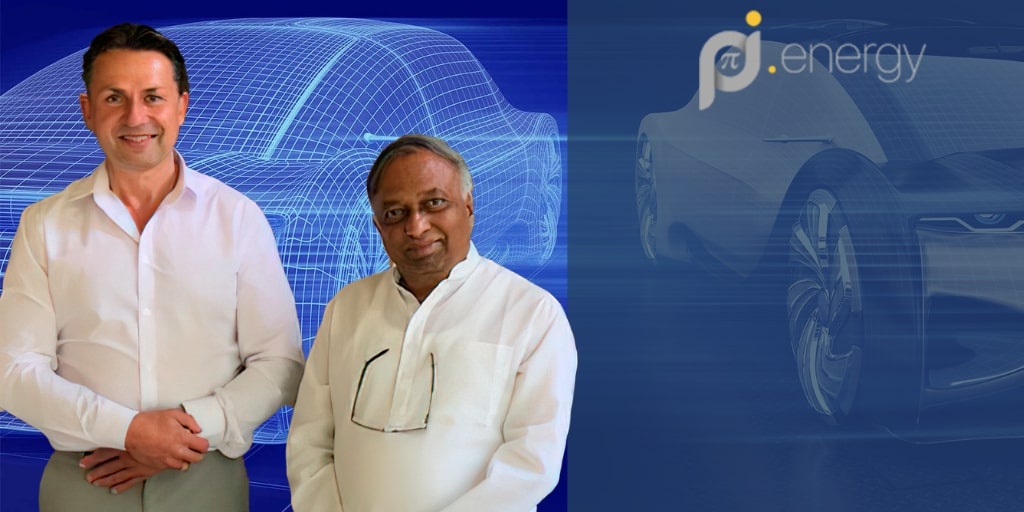
Neutrinovoltaics® will charge the Car Pi
C-MET, a Pune-based centre for materials for electronics technology that reports to the Ministry of Electronics and Information Technology (MeitY) and thus to the Indian government, and the Neutrino Energy Group signed the memorandum under the patronage and with the financial support of the Indian government and other partners. It lays the foundation for combining financial and intellectual resources to develop the Car Pi.
The memorandum aims at cooperation in materials science, electronic materials, 2D materials, the creation of quantum dots for neutrino energy conversion, and the development of applied devices. A budget of USD 2.5 billion, equivalent to EUR 2.12 billion, has been earmarked for implementing the project.
The result of the joint work is to be the Car Pi electric vehicle, which does not need electricity from charging stations.
Propulsion will be provided by autonomous power sources built into the body of the electric vehicle, which collect energy from the surroundings. The small battery pack that covers peak loads will also be charged in this way. This innovative approach promises a solution to the bottlenecks of electromobility, such as long waiting times when charging or the need to ramp up conventional power generation to meet the demand of electric vehicles – with the unavoidable increase in CO2 emissions into the atmosphere.
The Car Pi is an electric vehicle with embedded DC power sources based on neutrinovoltaic technology, in which electric current is generated under the influence of cosmic neutrinos and other electromagnetic and thermal radiation.
Shri Sanjay Dhotre, Minister of State for Education, Communications, Electronics and Information Technology of the Indian government, stressed at MEMP 2021 that the alliance of today’s best scientists would revolutionise the global energy sector “and certainly has the broadest support of the Indian government”. Work on the joint project would help to solve the countries’ energy problems, promote mutual understanding between people and strengthen the principle of peaceful coexistence of nations, the politician said.
“Electronic materials and components are the heart of all electronic devices. Materials are the backbone of the capabilities and functionality of every electronic device.” The performance of electronic products depends directly on the components used, he said. “India has always provided considerable financial support for research and development of new materials, although commercialising the results of research and development (R&D) is a challenge: C-MET was founded in 1990 to close the gap between R&D and the production of critical electronic materials,” emphasised Shri Sanjay Dhotre.
Dr Bharat Bhanudas Kale, co-founder and director of the Centre for Materials for Electronics Technology (C-MET) and Fellow of the Royal Society of Chemistry in London, is also on the team and sees the signing of the partnership memorandum and the start of the cooperation as particularly significant for the world community in the field of energy and materials. The scientist is one of the world’s leading experts in energy and materials.
Despite a technology base that has already been proven and tested in the laboratory, there is still a long way to go before the first Car Pi is on the road.
Holger Thorsten Schubart stresses that developing the self-charging Car Pi requires further research into the reliability of power generation under different conditions, into safety and into many other parameters. The design and demonstration centre in Frankfurt will therefore be an important part of the project.
We are delighted to travel this road together with such an important strategic partner as C-MET, which is known for its internationally recognised specialists – the Neutrino Energy Group had long been looking for a competent partner able to handle such a large and complex project.
As fantastic and ambitious as it sounds: developing a self-charging electric vehicle is undoubtedly a new milestone in the history of car manufacturing and of electromobility in particular.

Holger Thorsten Schubart CEO of the Neutrino Energy Group
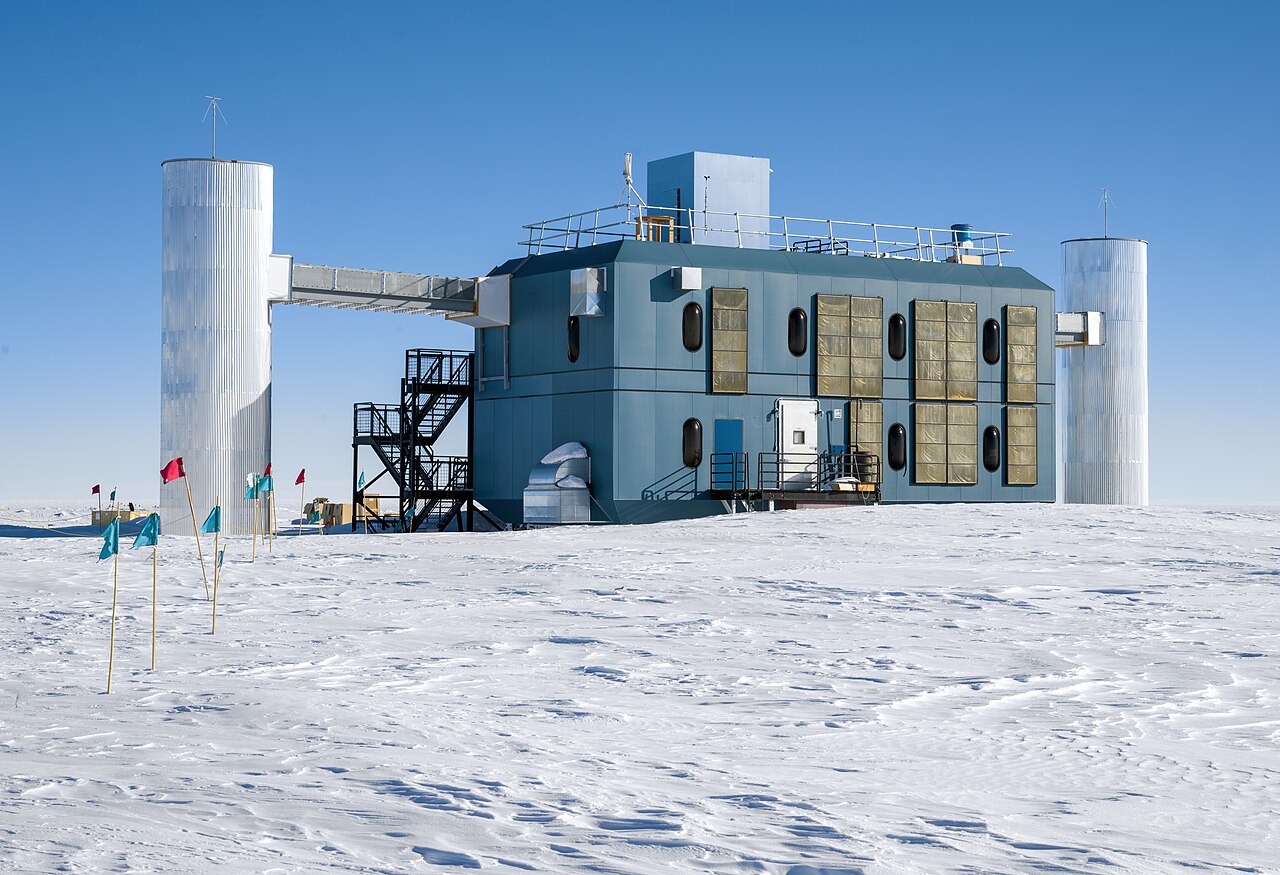
The Neutrino® Energy Group works with a worldwide team of scientists and various international research centres. They research applications for converting invisible radiation spectra of the sun, including neutrinos – high-energy particles that reach the Earth incessantly and can be converted into electrical energy.
The image rights lie with the author of the press release.
Notes on content provided by authors
Comments
Loading comments …
Become a member to comment publicly. GAIA members write comments in the members' portal — under their nickname, visible to everyone.