Matter waves: energy according to de Broglie


Neutrinovoltaic technology converts energy from matter waves, as described by Louis de Broglie, into electricity
The need for technologies that generate electricity without fossil fuels is high, because the world community has recognised that fossil reserves will run out sooner or later.
Relying on nuclear energy in the long term is unjustified, and not only because of limited uranium reserves. There is already a shortage on the market. That is why the military coup in Niger was felt so painfully in France, the USA and wherever else people still rely on nuclear power. (Niger holds around 5% of the world’s uranium reserves.)
Non-fossil – that is, fuel-free – electricity generation has the potential to lower electricity prices for consumers and producers, to relieve the power grid sustainably and to reduce the need for balancing power caused by uncontrollable renewable energy. The generators can be installed decentrally wherever electricity is consumed, and can even be used on the move. Logistics would become more predictable, which in particular counteracts rising inflation, since everything has to be fetched or delivered from somewhere.
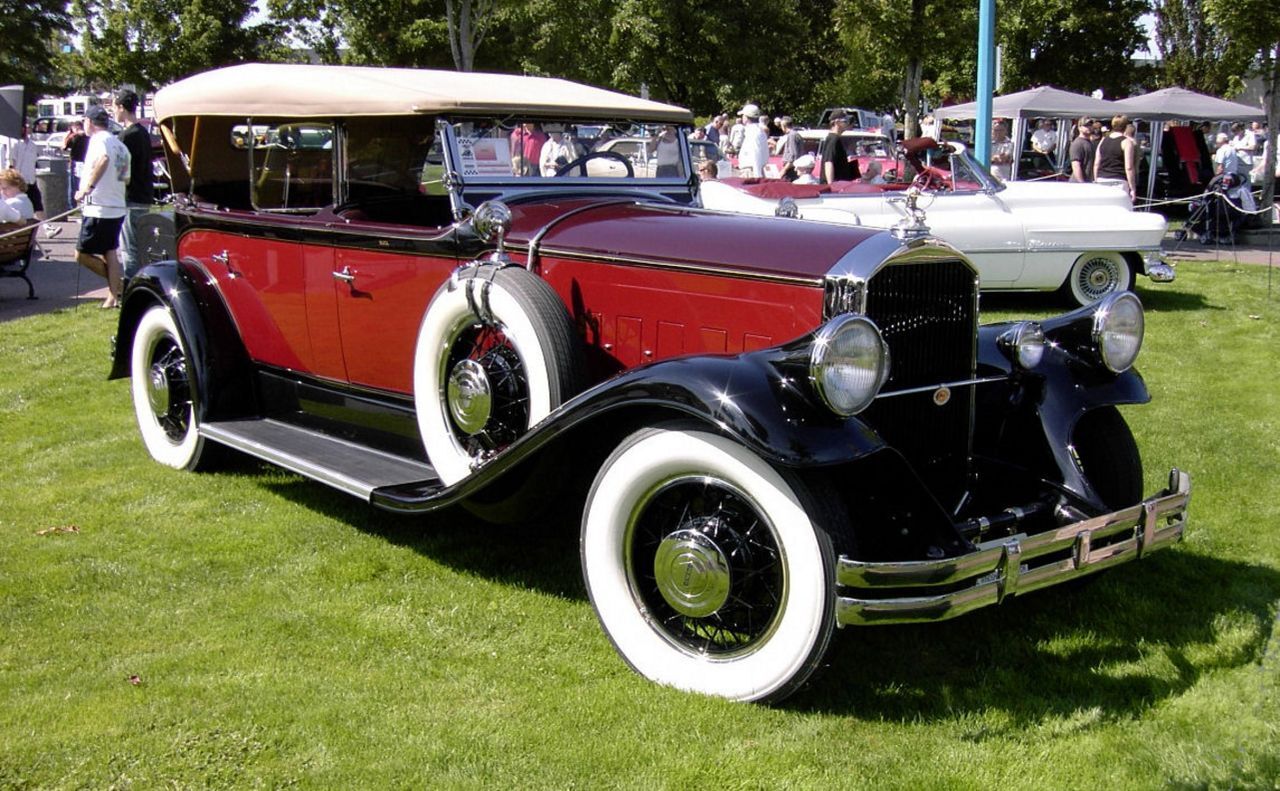
Pierce-Arrow electric car
Autonomous electric vehicles require the development of entirely new technologies for generating electricity. One example is the petrol-free 1931 Pierce-Arrow electric car, which managed without an external power source and was driven by Nikola Tesla’s electric drive system. The inventor himself said that the energy came “from the ether all around us”.
What is the ether Tesla spoke of?
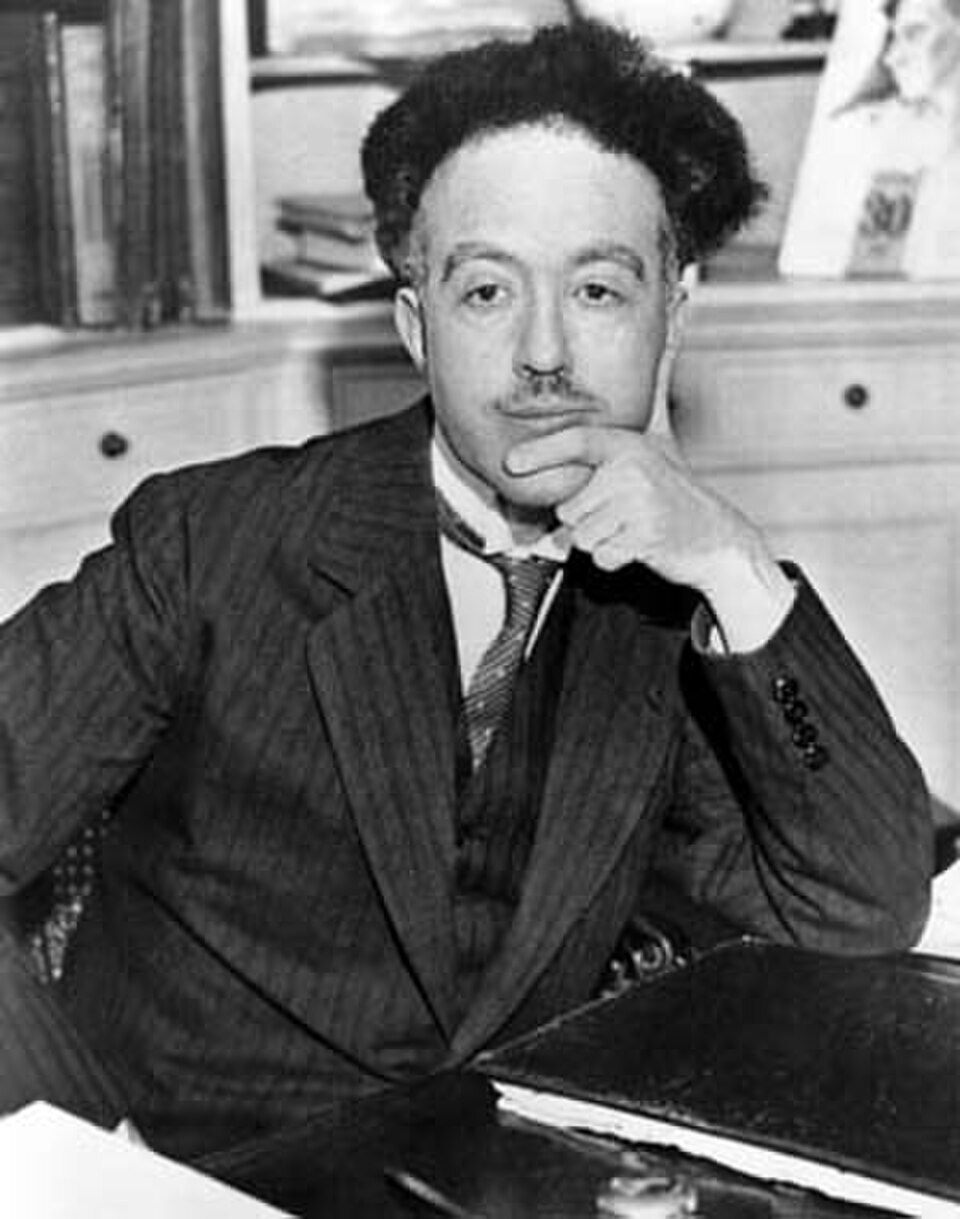
Louis de Broglie (1929)
According to the insights gathered since Nikola Tesla, the ether is a broad range of different kinds of radiation of the invisible spectrum around us, including the neutrino flux. This alone passes through every square centimetre of the Earth’s surface with around 60 billion particles per second (!).
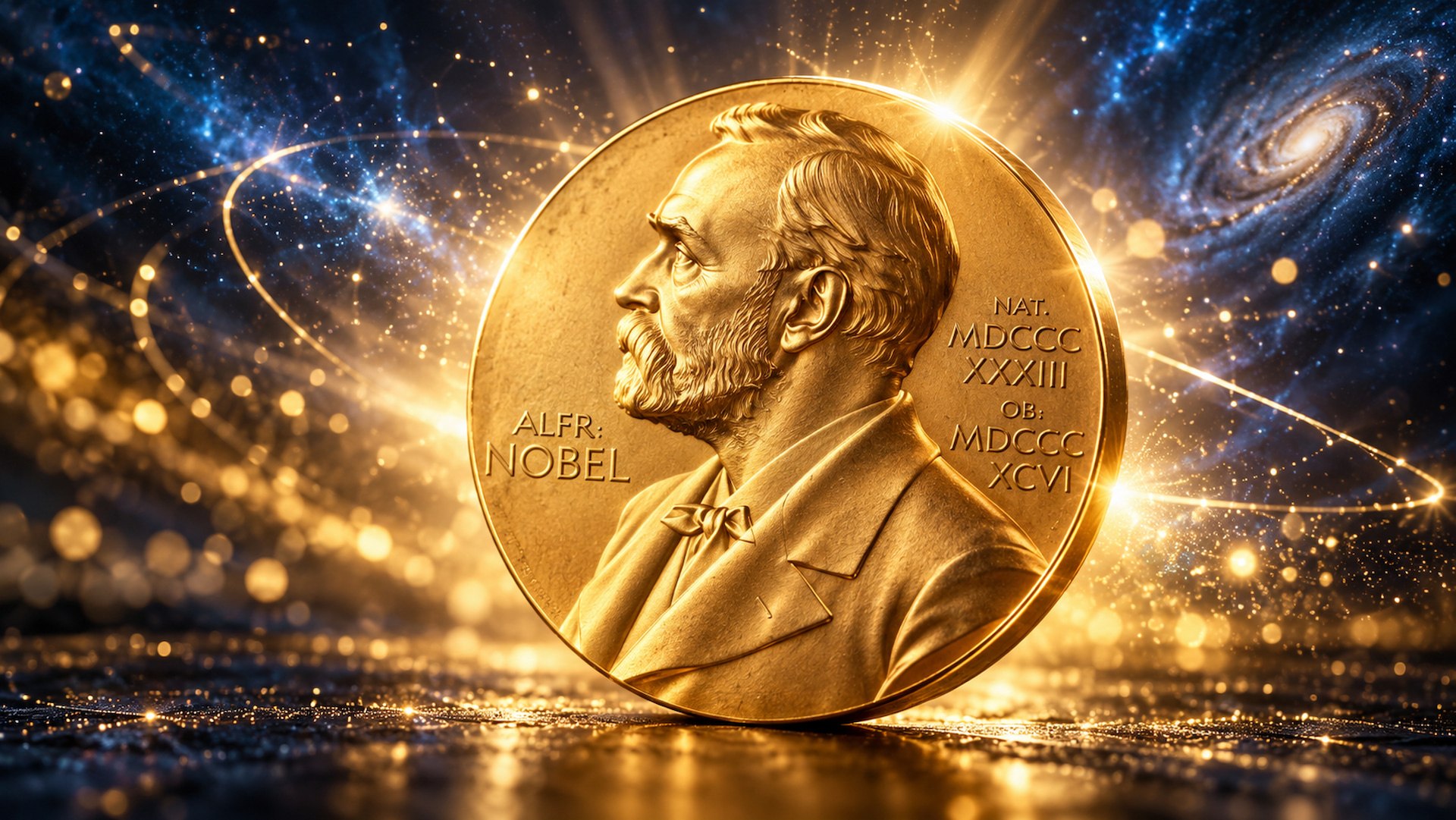
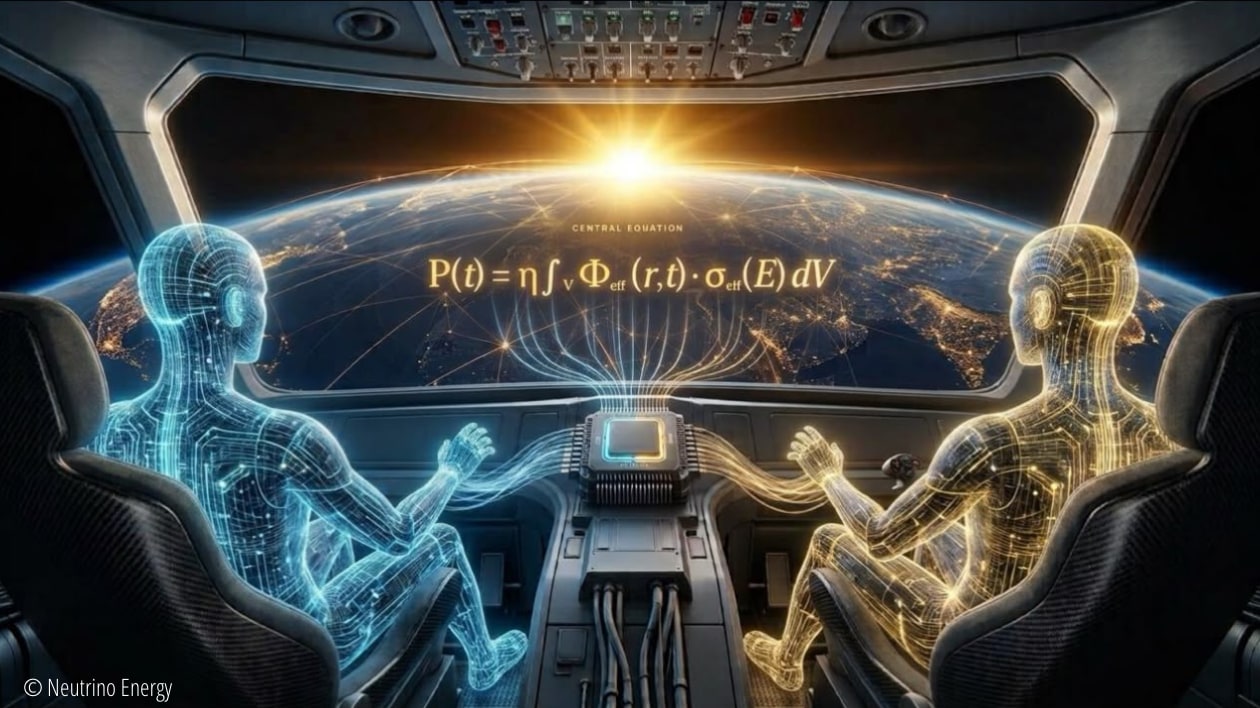
The neutrino flux, electrons and all other microparticles are matter waves, i.e. de Broglie waves. The French scientist Louis de Broglie, who received the Nobel Prize in Physics in 1929, developed ideas on the dual particle-wave nature of light and in 1923 put forward a hypothesis on the universality of wave-particle duality: he argued that not only photons, but also electrons and all other particles of matter, have wave properties in addition to their particle properties.
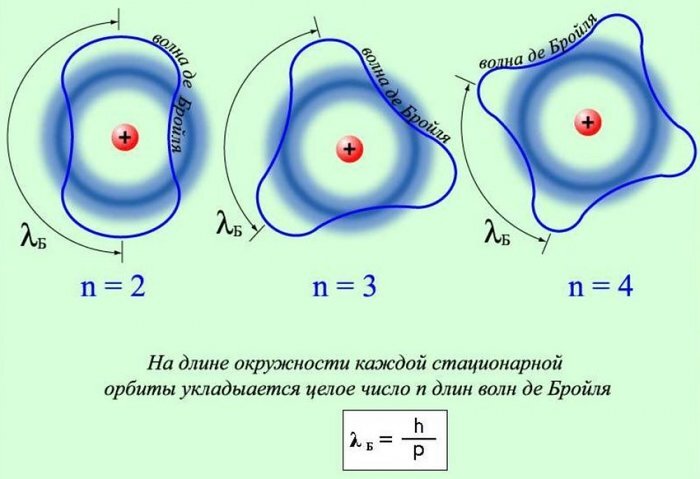
Louis de Broglie’s wave variants
On the basis of precisely this conversion of energy from matter waves and the thermal motion (better known as Brownian molecular motion) of graphene atoms, a group of scientists from the Neutrino® Energy Group, led by the mathematician Holger Thorsten Schubart, developed neutrinovoltaic power generation technology.
Graphene
The development know-how lies in creating a multilayer nanomaterial that converts the energy of the energy fields around us. The basis of this nanomaterial is formed by 12 to 20 layers of graphene alternating with silicon and layers of doping elements. Experimental data have shown that the properties of two-dimensional graphene differ fundamentally from those of graphite, which is a three-dimensional material. Graphene as a nanomaterial is unique in that it opens up prospects for a wide range of applications. The emergence of graphene has opened up a completely new category of substances. More than that, this discovery has changed solid-state physics.
Graphene has an extremely high current density (around a million times more than copper) and a record-breaking charge-carrier mobility. In graphene, each atom in a two-dimensional plane is bonded to three carbon atoms, with one electron in the third dimension remaining freely available for electronic conduction.
If you look at a layer of graphene with a high-resolution microscope, you can observe vibrations resembling waves on the surface of the sea. Technically speaking, neighbouring areas alternately bend concave and convex. The stronger the energy input (i.e. the matter waves) and the higher the temperature, the more intense the vibrations of the graphene atoms – and with them the frequency and amplitude of the vibrations of the “graphene waves” themselves. Put simply, the waves get higher and follow each other faster. The existence of these “graphene waves” is what makes generating electric current possible in the first place.
The harmonic vibrations of the “graphene waves”, which resonate with one another, are the work done at the level of the microparticles. This work is needed to convert the thermal motion (note: Brownian molecular motion) of the graphene atoms and the energy of the particles of matter waves into electric current. These “graphene waves” lead to the creation of an electromotive force (EMF) in each graphene layer through the interaction of magnetic and electric fields.
An interesting version was presented on his YouTube channel by one of the commentators on the development of neutrinovoltaic technology and the operation of a Neutrino Power Cube. According to the author, as an electron orbits the nucleus of a graphene atom, a kind of ether wind arises, a consequence of electron spin in matter waves. The author compares the phenomenon of the ether wind as follows: “Imagine a lorry driving on a circular track, and you are standing next to it and feeling its slipstream. It’s similar for the crystal lattice when it is exposed to the ether wind. It is excited and resonates with this ether wind, releasing a certain flow of electrons.”
Indeed, it is therefore scientifically more correct to describe the Neutrino® Power Cube not as a fuel-free generator but as a transducer-resonator.
Neutrinovoltaics field test
The project for fuel-free neutrinovoltaic power generation technology has now reached a decisive milestone in its development: the intention to carry out field tests with Neutrino® Power Cubes in Austria has been announced – the local partner for implementation is the Society for Self-Sufficiency (GAIA).
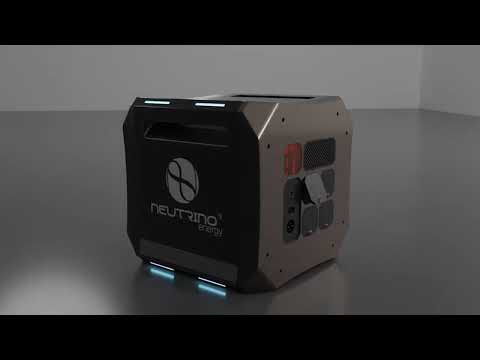
The Cubes will deliver a net output of 5–6 kW. Around 100 to 200 Cubes will be provided by Neutrino Energy free of charge for the field test. Participants in the field test will be accompanied by GAIA, which will also install and monitor the generators in the homes of Austrian citizens using qualified specialists. To generate reliable data, the field test is designed to last 6–9 months. After that, the Cubes are initially to be dismantled again. The pre-series models of the Neutrino® Power Cube are designed to work autonomously and not in parallel with the grid.
The Car Pi project
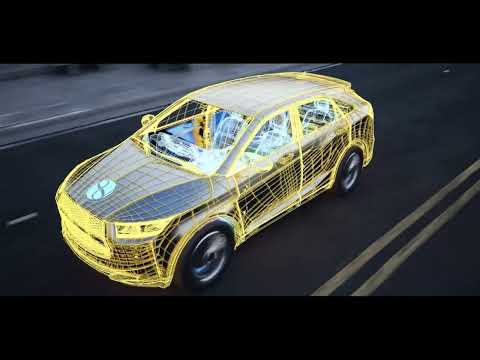
Neutrinovoltaic technology is the subject of close cooperation between the Neutrino® Energy Group and Indian partners. This strong scientific and technological alliance has begun developing an electric car with an autonomous power supply. The project is called Pi Car. The prototype of such an electric vehicle is to be completed within about 3 years. Structurally, the “Pi Car power plant” differs fundamentally from the static Neutrino® Power Cube, although the principle of energy generation is identical.
The energy industry of the near future will be based largely on new physical principles arising from the development of new materials. We see neutrinovoltaics as the first example of such applied technical solutions. It forms the basis for a new clean, baseload-capable and safe energy industry. This enables us to meet the growing energy needs of the world’s population in an environmentally friendly way.

Notes on content provided by authors
Comments
Loading comments …
Become a member to comment publicly. GAIA members write comments in the members' portal — under their nickname, visible to everyone.