Neutrino® Energy: interview on the background


Neutrinovoltaics – how this technology will change our future | Holger Thorsten Schubart
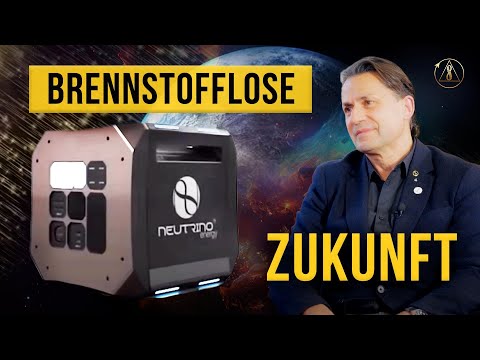
A presentation of the innovative, forward-looking technology of generating energy with the fuel-free Power Cube.
Human beings depend on energy. What every person should be entitled to is either not available at all or is becoming more and more of a luxury good because of rapidly rising costs. Resources are becoming ever scarcer and, in this form of society, do not belong to the people but are used and traded as an instrument of power.
Geopolitical conflicts, poverty and environmental pollution are just some aspects of conventional energy generation and its use. Why do we find ourselves in these living conditions when a fuel-free and autonomous energy supply for everyone has long been feasible?
In an interview for the Creative Society project, Holger Thorsten Schubart – mathematician, CEO of Neutrino Deutschland GmbH and CEO of the Neutrino Energy Group – talks about the invention of the Power Cubes and how humanity could be supplied with energy free of fossil fuels anywhere, as early as tomorrow.
It is also about how energy can be generated through conversion, the functional principle on which the Power Cube is based, and what we as a society can do so that everyone can benefit from these advanced inventions.
Interview with “Creative Society” | 58 min (German)
Creative Society has interviewed numerous other pioneers and visionaries. You can find more interviews here:
Notes on content provided by authors
Comments
Loading comments …
Become a member to comment publicly. GAIA members write comments in the members' portal — under their nickname, visible to everyone.