We need 80 million kilometres of new power grids


The power grid could become the weakest link in the energy transition, warns the International Energy Agency (IEA).
To avoid this, according to the first worldwide survey of existing grids, 80 million kilometres of grid would have to be newly built or renovated worldwide by 2040. That corresponds roughly to the power grids functioning to date. Investment would have to roughly double to 600 billion dollars (569 billion euros).
The IEA study finds that grids are not keeping pace with the demands placed on them by new technologies such as e-mobility and the increased use of heat pumps, as well as the expansion of wind power and photovoltaics. There are already problems: new wind farms, for example, cannot be built or cannot be connected. A bottleneck for the energy transition is emerging here, the IEA warns.
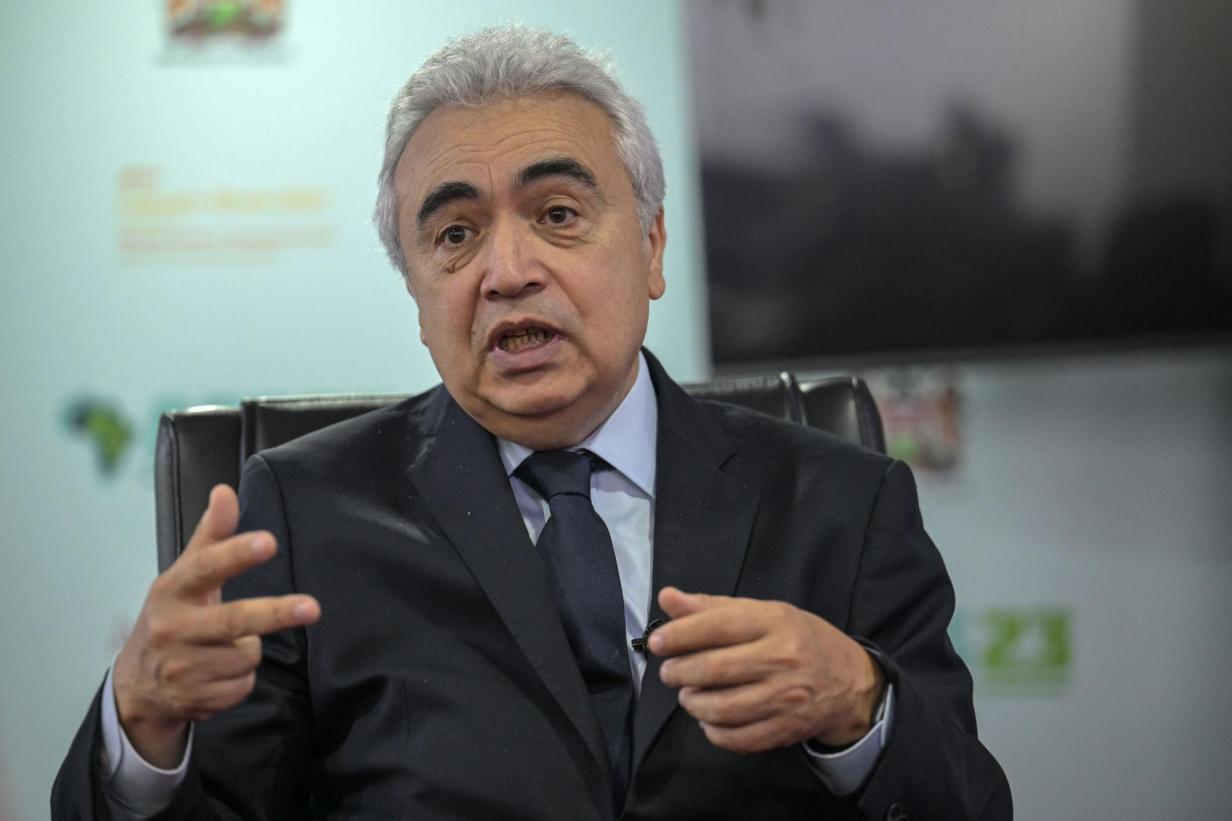
“The recent progress in clean energy that we have seen in many countries is unprecedented and gives cause for optimism,” said IEA head Fatih Birol. “But it could be jeopardised” if governments and companies do not work together to ensure the corresponding grid expansion too. (IEA head Fatih Birol © image: APA/AFP/SIMON MAINA / SIMON MAINA)
To the article in Kurier (German)

Decentralised vs. centralised
We need energy where we need it.
Expanding and renovating the power grid is an organisational feat, because the power grid is currently the one Achilles heel of our electricity supply. Indeed, the IEA’s account can be read as saying that the grid increasingly hangs by a thread. More decentralised energy generation could bring relief – but only if it is controllable and baseload-capable.
The central power grid is undoubtedly “the” central element of our modern society. It secures the energy supply for millions of people and businesses, so renovating it is absolutely necessary. However, the conversion and expansion are also driven by increasing decentralised feed-in of renewable energy at points for which our grid was not built. In the north, for example, large amounts of energy are generated from wind power and must be transported to the place of consumption, however far away that may be. Or consider the multitude of small and medium-sized photovoltaic feed-in points in regions where no line capacity is available for transporting the power away. Strictly speaking, these technologies therefore also burden the power grid.
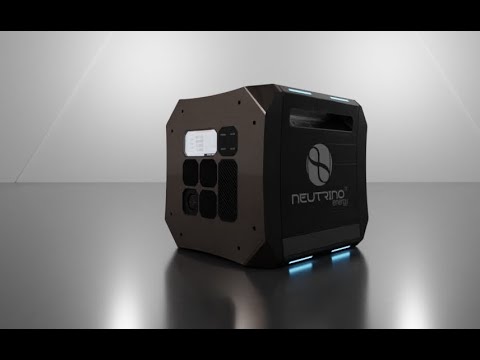
In our view, baseload-capable, controllable renewable energy sources are therefore an important pillar of a sustainable electricity supply. One of these technologies is Neutrinovoltaic®. Unlike weather-dependent technologies, it can generate energy constantly where it is consumed, regardless of wind, sun and time of day. It is obvious that many advantages follow from this. We have been following this topic intensively for some time and look forward, as a service provider for the Neutrino® Energy Group from Germany, to starting a field test with end consumers in Austria as soon as possible, using units of around 5 kW. We are convinced that neutrinovoltaics’ first contact with real off-grid conditions has the potential to help shape the energy transition decisively.
Neutrinovoltaic® is able to convert forms of radiation invisible to us and the energy from the movement of neutrinos into usable electricity, daily and incessantly. This is made possible above all by the properties of graphene (two-dimensional graphite, as known from pencils). More information and numerous articles can be found on our information page on this topic.
Neutrinovoltaics information page
We see the expansion of decentralised supply as one of the most important pillars for averting the looming danger of a collapse of our central grid, because the effort required to regulate the power grid keeps increasing and is also driving up energy prices.
Generating enough energy at the point of consumption therefore offers, among other advantages, above all relief and thus the stabilisation of central structures. Viewed globally, decentralised on-site energy generation is even the solution to many challenges of the future.

Notes on content provided by authors
Comments
Loading comments …
Become a member to comment publicly. GAIA members write comments in the members' portal — under their nickname, visible to everyone.









