Could "Infinite Energy" Exist?


Converting cosmic radiation into electricity?
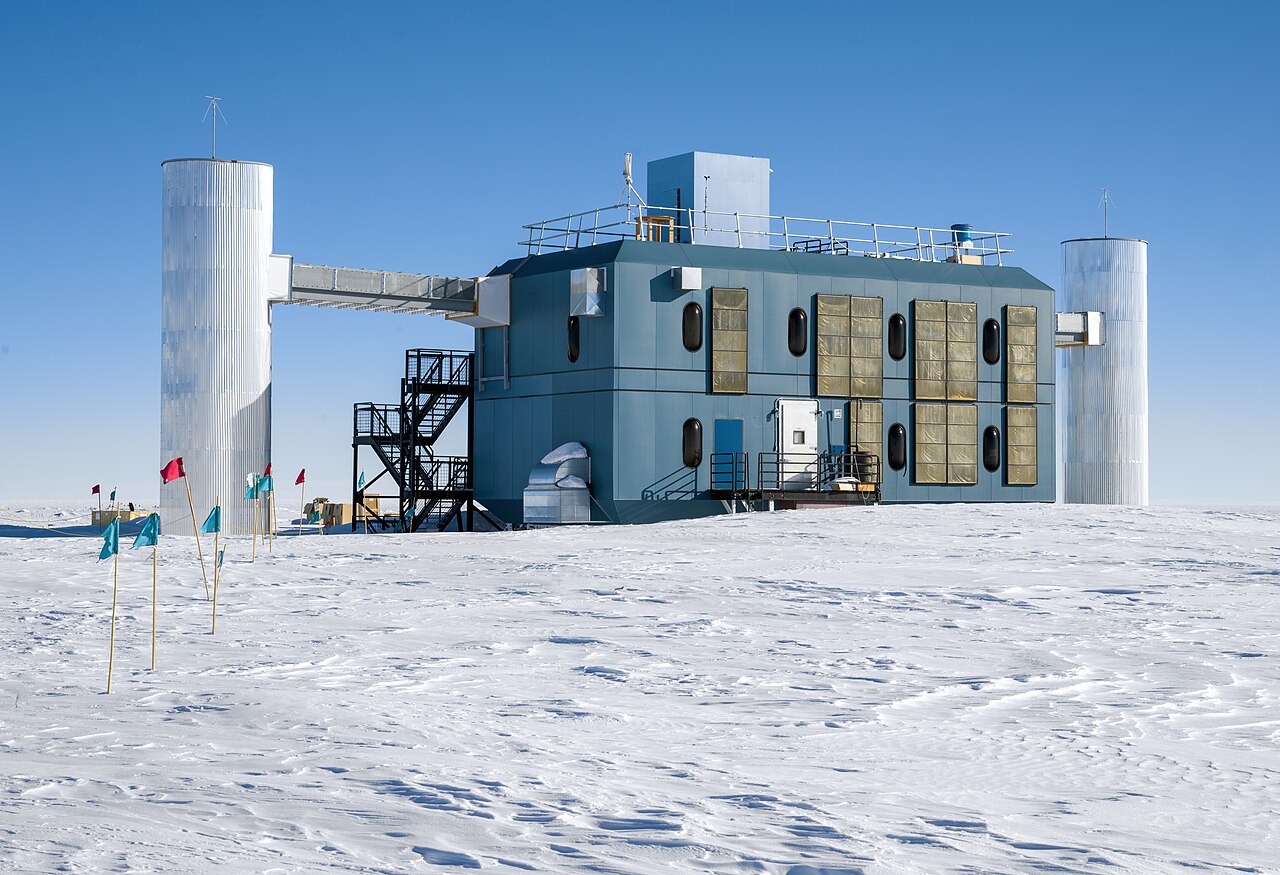
What are these cosmic rays known as neutrinos? In 2015, the Japanese scientist Takaaki Kajita and the Canadian scientist Arthur McDonald received the Nobel Prize in Physics for their discovery that neutrinos have mass. Neutrinos are tiny subatomic particles that pass through virtually everything in the universe.
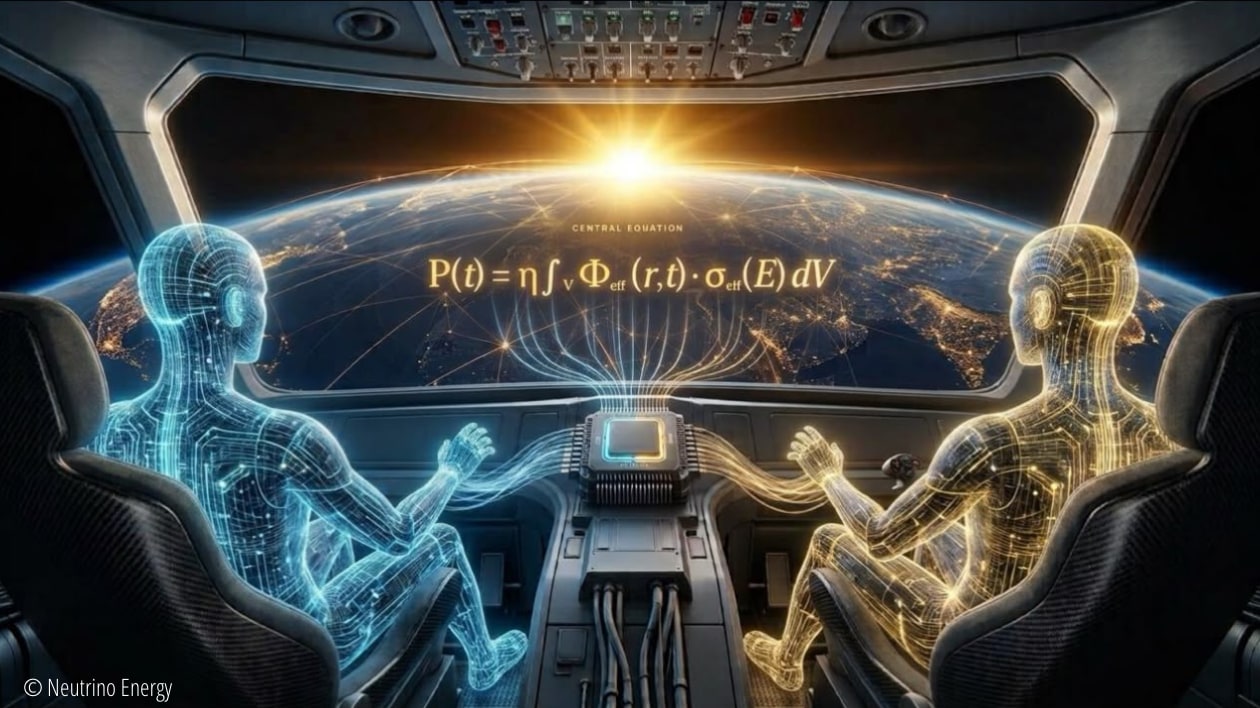
These neutrinos, once thought to be massless, are able to convert their tiny mass into energy, according to Einstein’s famous equation E=mc².
This equation underpins most of our current understanding of the universe. The same theory states that neutrinos can be used to generate energy on Earth – to power our homes, cars and mobile phones.
Electricity from cosmic radiation how would it work?
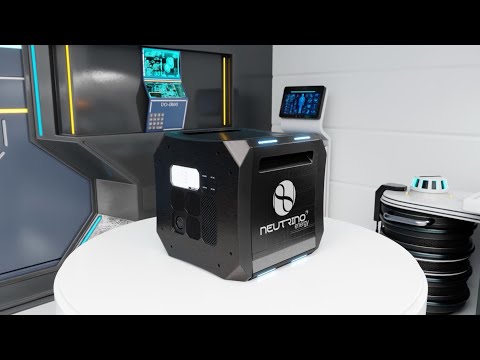
Converting energy from neutrinos and other cosmic radiation would work similarly to the conversion in a photovoltaic cell in solar modules. Part of their kinetic energy would be converted into electricity by using wafer-thin layers of silicon and graphene (a derivative of carbon) applied to a metallic substrate.
When neutrinos and other cosmic radiation hit wafers with such a structure, this would create a resonance which – in short – produces a (small) flow of current. If you stack these …
Advantages of this energy conversion
Although converting energy from neutrinos and other cosmic radiation works essentially the same way as in photovoltaic cells, there is one crucial difference: it does not need sunlight. One of the biggest disadvantages of solar energy is that it depends on the sun as its energy source. In regions where sunlight is scarce, solar energy is not a practical way of generating electricity. Converting energy by means of neutrinos and other cosmic radiation does not have this limitation. It would work day and night, all year round.
Sounds good – and what are the potential disadvantages? Some scientists are concerned, for example, that these particles could be harmful to humans and the environment because they are ionising. But on the one hand, only a small part of cosmic radiation reaches the Earth. On the other hand, about 60 billion neutrinos per cm² have been passing through the Earth’s surface for millions of years and will surely continue to do so for a long time.
Furthermore, this technology is developing rapidly, and scientists around the world will develop new methods of converting energy from neutrinos and other cosmic radiation. The possibility of widespread use of energy from cosmic radiation is therefore growing all the time.
The initial infrastructure costs would probably be considerable. But the long-term benefits of this energy source would far outweigh the initial investment. Some estimates put the cost of energy from neutrinos and other cosmic radiation at 50% of the cost of solar energy. Since devices need less and less electricity to work, the potential profitability looks more and more promising.
Are cosmic forms of radiation the long-awaited key to “infinite energy”?
It is hard to say with absolute certainty. Despite the uncertainty, the possibilities would certainly be endless if this energy source proved to be a practical means of generating electricity on a large scale.
Such an energy converter has the potential to fundamentally change our idea of electricity: electricity would no longer be the often scarce resource it is today but would be as natural for all people in the world as the air we breathe.
“Infinite energy generation” is therefore a hot topic. But whether neutrinos and other cosmic radiation will be the answer to all our energy needs, time will tell.
Sources
Notes on content provided by authors
Comments
Loading comments …
Become a member to comment publicly. GAIA members write comments in the members' portal — under their nickname, visible to everyone.