Solar cells can also work in the dark

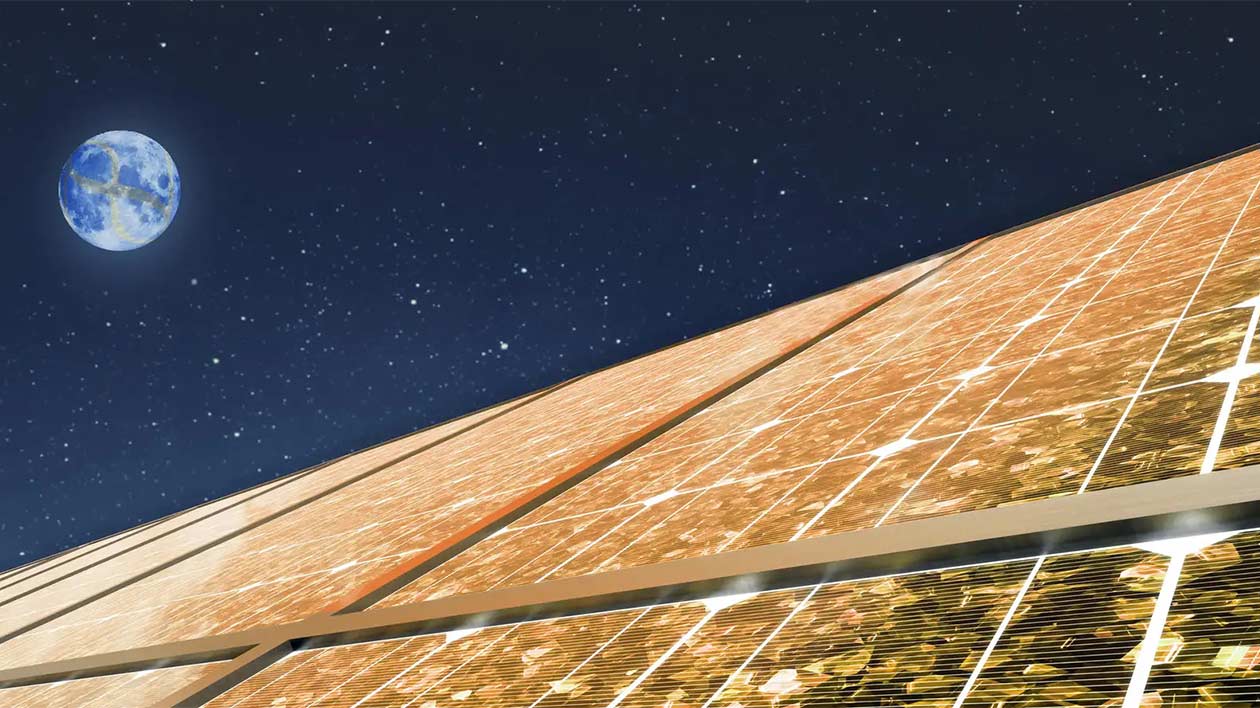
Neutrinovoltaics: the evolution of photovoltaic solar cells
Most people associate renewable energy with solar and wind power plants. While hydropower and geothermal energy are good carbon-free renewable energy sources, wind and solar energy are the only realistic options for renewable energy on a large scale.
Wind and sun are free and abundant, and the technology needed to harness their energy is becoming ever cheaper. But wind and sun have a drawback: they are unreliable. In the evening and on cloudy days, solar installations produce no electricity. The same applies to wind turbines, which stop producing when the wind dies down. A city, a region or a country, on the other hand, needs reliable electricity around the clock, regardless of the weather. Wind and solar energy must be supported by other forms of power generation or storage that can seamlessly make up the shortfall when renewables stop producing.
Neutrinovoltaics is a further development in the field of alternative energy technologies
Because renewables still have a modest share of the energy mix, it has been easy to supply the grid.
However, using the grid causes pollutant emissions. Most grid electricity comes from two reliable sources: coal and natural gas. Contrary to popular belief, building wind and solar parks does not allow us to shut down polluting power stations. These outdated, fossil-fuelled power stations always have to be running to supply the grid with electricity at night, when the sun is not shining, or when the wind is not blowing. And since lulls in sun and wind can last a week or longer, these old power stations have to stay in operation. But how can we rely on solar energy when it has so many limitations and problems? It is clearly time for us to shift our focus.
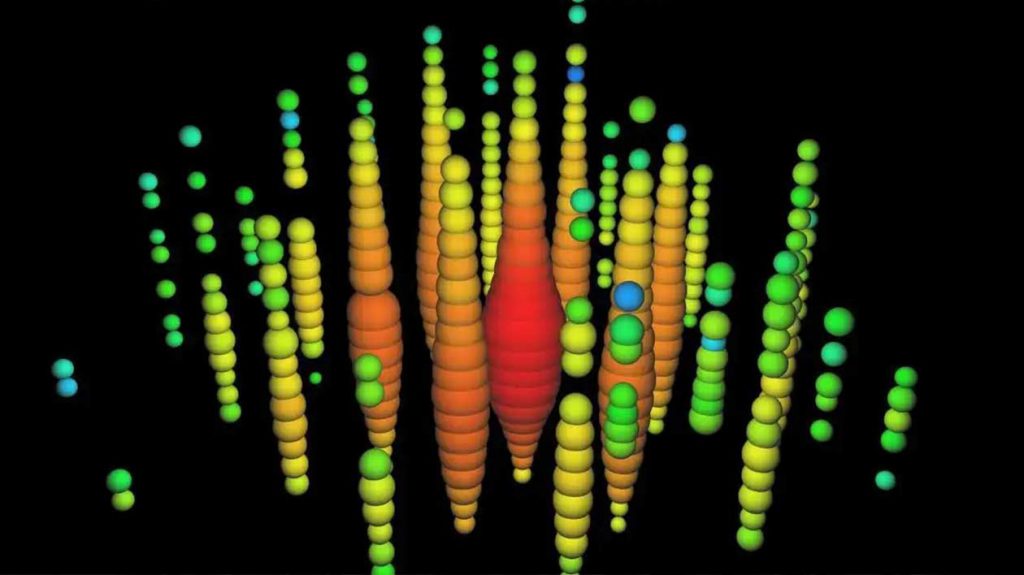
Neutrinos are high-energy, invisible particles from space
Neutrino® Energy has the answer
The Neutrino Energy Group has achieved what was previously unthinkable: making the invisible radiation spectrum, including neutrinos, usable for energy generation. In 2015, Japan’s Takaaki Kajita and Canada’s Arthur McDonald proved that neutrinos have mass. Neutrinos and other invisible radiation can be used as a source of energy, much like solar cells. Neutrinovoltaics uses a multilayer nanomaterial of graphene and doped silicon. Scientists have recently shown that graphene can absorb energy from its surroundings. Because of the low current and voltage per unit area, graphene alone cannot generate energy. The Neutrino Energy Group has developed a multilayer nanomaterial that increases the energy absorbed per unit area. The technology does not need sunlight. Neutrinovoltaics can generate energy around the clock and anywhere on Earth.
Unlike solar energy, the neutrinovoltaic systems developed by the Neutrino Energy Group are efficient and reliable. Since neutrinos can penetrate almost any substance, neutrinovoltaic cells do not need sunlight to work. They can be used indoors and outdoors and even under water. Snow and other unfavourable weather conditions have no effect on neutrinovoltaic installations, as they are slightly insulated while generating electricity.
Neutrinovoltaic technology already works in the laboratory.
The Neutrino® Energy Group is working with selected partners on the development of consumer goods that can be used in many ways. In the laboratory, neutrinovoltaic technology already works. The Neutrino Energy Group envisages that neutrinovoltaic energy will first be used for smartphones, laptops, pacemakers and other small devices, but that it will eventually cover the entire electricity needs of a household. Thanks to the discovery of neutrino energy and other invisible radiation, there is now a solution to the current energy crisis.
The Neutrino® Energy Group works with a worldwide team of scientists and various international research centres. They research applications for converting invisible radiation spectra of the sun, including neutrinos – high-energy particles that reach the Earth incessantly and can be converted into electrical energy.
The image rights lie with the author of the press release.
Notes on content provided by authors
Comments
Loading comments …
Become a member to comment publicly. GAIA members write comments in the members' portal — under their nickname, visible to everyone.










