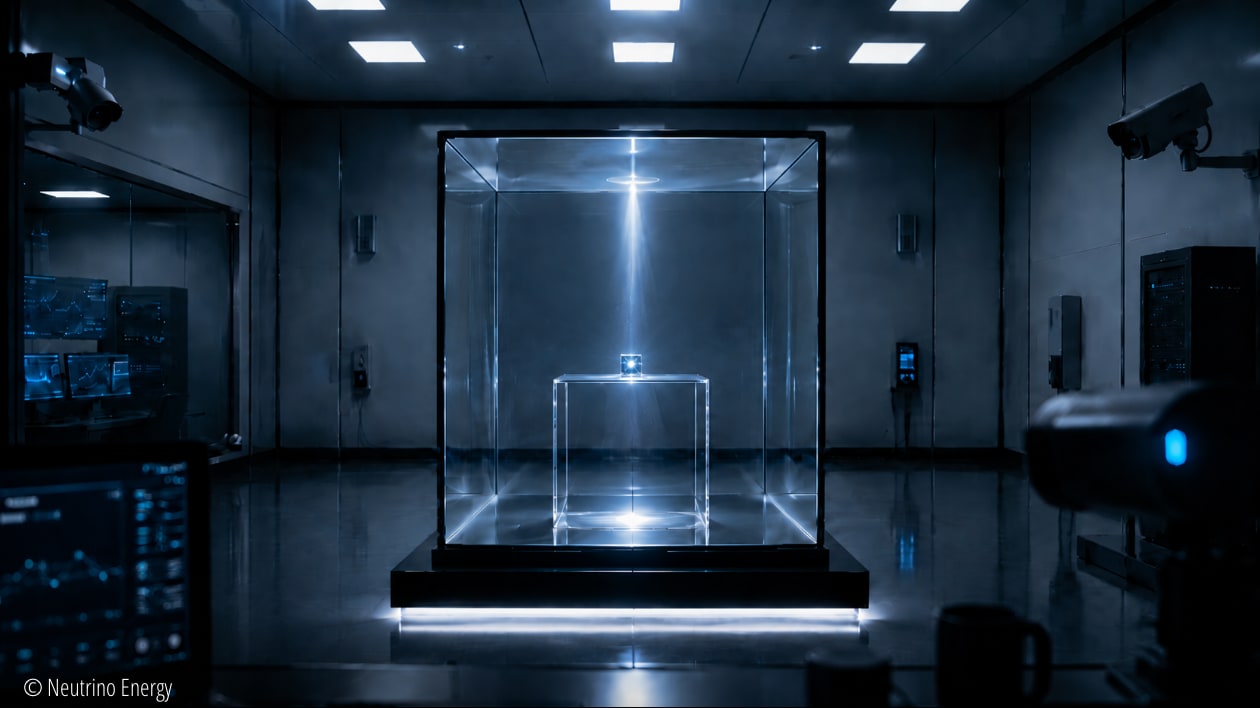
The Pi Car: next-generation electric mobility

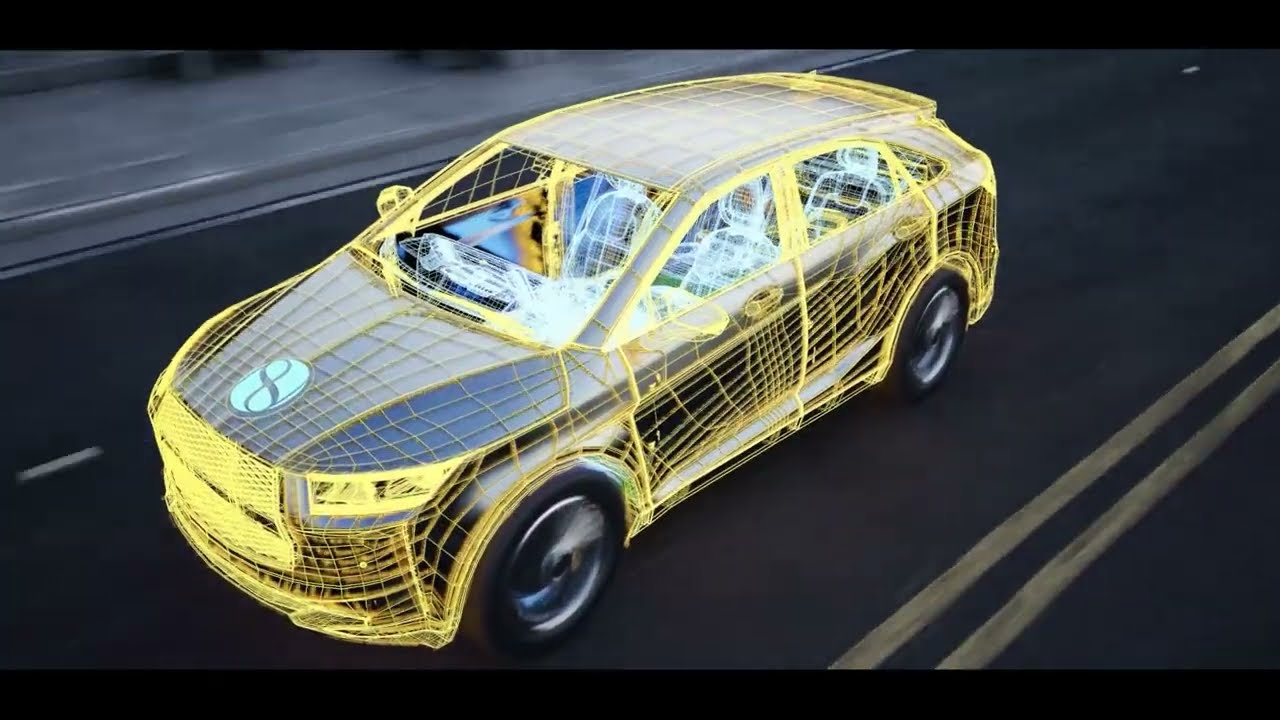
The Pi Car. More than a battery-powered electric car.
It uses neutrinovoltaic technology embedded in the body and nano-coated graphene cells to collect electromagnetic waves and invisible radiation and convert them into energy. The metamaterial is embedded in the carbon body, using doped silicon and graphene in alternating layers.
This technology allows the car to charge while parked and to drive up to 100 kilometres on electricity after just one hour of parking. The Pi Car concept represents a significant advance in the development of clean and sustainable energy and is due to be presented within the next three years by the Neutrino Energy Group team, made up of energy specialists and scientists committed to making the renewable future a reality.
Video subtitles
The road to the vehicle technology of the future must coexist with our environment and nature. Vehicles must integrate with it responsibly and respect its laws in order to put an end to our reliance on fossil fuels and other unclean energy options.
Introducing the Pi Car
The Pi Car is the result of creative engineering and global scientific cooperation. Neutrinovoltaic technology is embedded in the carbon body of the Pi Car, and implemented in the car are nano-coated graphene cells that collect and convert a wide range of electromagnetic waves and invisible rays. The micro-vibrations in the graphene lead to a flow of electrons at the silicon, which provides direct current. This is then stored in supercapacitors and batteries and made available to the vehicle for propulsion via a control unit optimised by artificial intelligence. Compared with previous electric cars, the total battery pack can therefore be smaller, saving space and costs. Electric vehicles can now be charged while parked on the street.
The Pi Car concept represents cutting-edge technology and a significant step forward in the development of clean and sustainable energy. The Neutrino® Energy Group team consists of highly driven and inventive energy specialists and scientists from around the world, led by Holger Thorsten Schubart. It is committed to bringing the Pi Car to market within the next three years and in doing so making the renewable future a reality, because the science of today is most definitely tomorrow’s technology.
Notes on content provided by authors
Comments
Loading comments …
Become a member to comment publicly. GAIA members write comments in the members' portal — under their nickname, visible to everyone.