Green hydrogen as the key to European energy security?


“Unlocking European Energy Security”
That is the title of a white paper recently published by Siemens Gamesa. In it, the company outlines the challenges for energy supply that Europe has faced since the conflict between Ukraine and Russia, as well as the steps that need to be taken to ensure stability and energy security while at the same time tackling the climate emergency and achieving decarbonisation.
Within just three months in 2022, the urgency and necessity of securing energy supplies for states increased drastically. Both in terms of maintaining an independent supply and ensuring stable prices for customers, geopolitical events have heightened European governments’ concerns about energy security.
When it comes to achieving the EU’s 2050 climate neutrality target, renewable energy and green hydrogen will play a key role. Large-scale decarbonisation is conceivable while energy security is ensured at the same time through the use of clean, low-cost and locally produced clean energy and fuels. Nations can achieve net zero by converting hard-to-abate sectors to this green fuel.
Jochen Eickholt, CEO of Siemens Gamesa, stresses the need to tackle both energy security and decarbonisation at the same time. “The current crisis must not push the climate issue into the background. To reduce our dependence on fossil fuels, the entire renewable energy ecosystem must work together. Green hydrogen also requires a drastic change in the scale and pace of renewable energy deployment in order to achieve economies of scale and thus competitiveness. Five levers are key to this:”
The current crisis must not push the climate issue into the background. To reduce our dependence on fossil fuels, the entire renewable energy ecosystem must work together. Green hydrogen also requires a drastic change in the scale and pace of renewable energy deployment in order to achieve economies of scale and thus competitiveness.
Dr Jochen Eickholt
CEO of Siemens Gamesa
Five levers are key to this:
- Increasing the share of renewable energy generated in Europe; speeding up permitting procedures is key to this.
- Developing a stable hydrogen trading market and infrastructure for transporting and distributing green hydrogen, whether produced locally or imported.
- Innovating storage systems to ensure continuity and predictability of supply, and adopting legislation that enables sector coupling to balance energy consumption with green hydrogen production.
- Introducing legislative and regulatory mechanisms to create a market for EU-produced green hydrogen with assured cost comparisons with fossil fuel imports.
- Industrialising the manufacture of electrolysers to meet European demand.
Juan Gutierrez, global CEO of Siemens Gamesa’s service business, has explained that the company is making the following demand:
Siemens Gamesa calls on European governments and key industries to form a coalition to ensure energy security through renewable energy and green hydrogen, environmental security through the necessary decarbonisation, and price stability for end customers.

Juan P. Gutierrez
Global CEO of Siemens Gamesa’s service business
The terrible events during the invasion of Ukraine have brought to light some uncomfortable truths about the vulnerability of each of these elements, but it is within the power of nation states to tackle each of these problems through joint action to promote the installation of renewable energy sources and the introduction of green hydrogen.
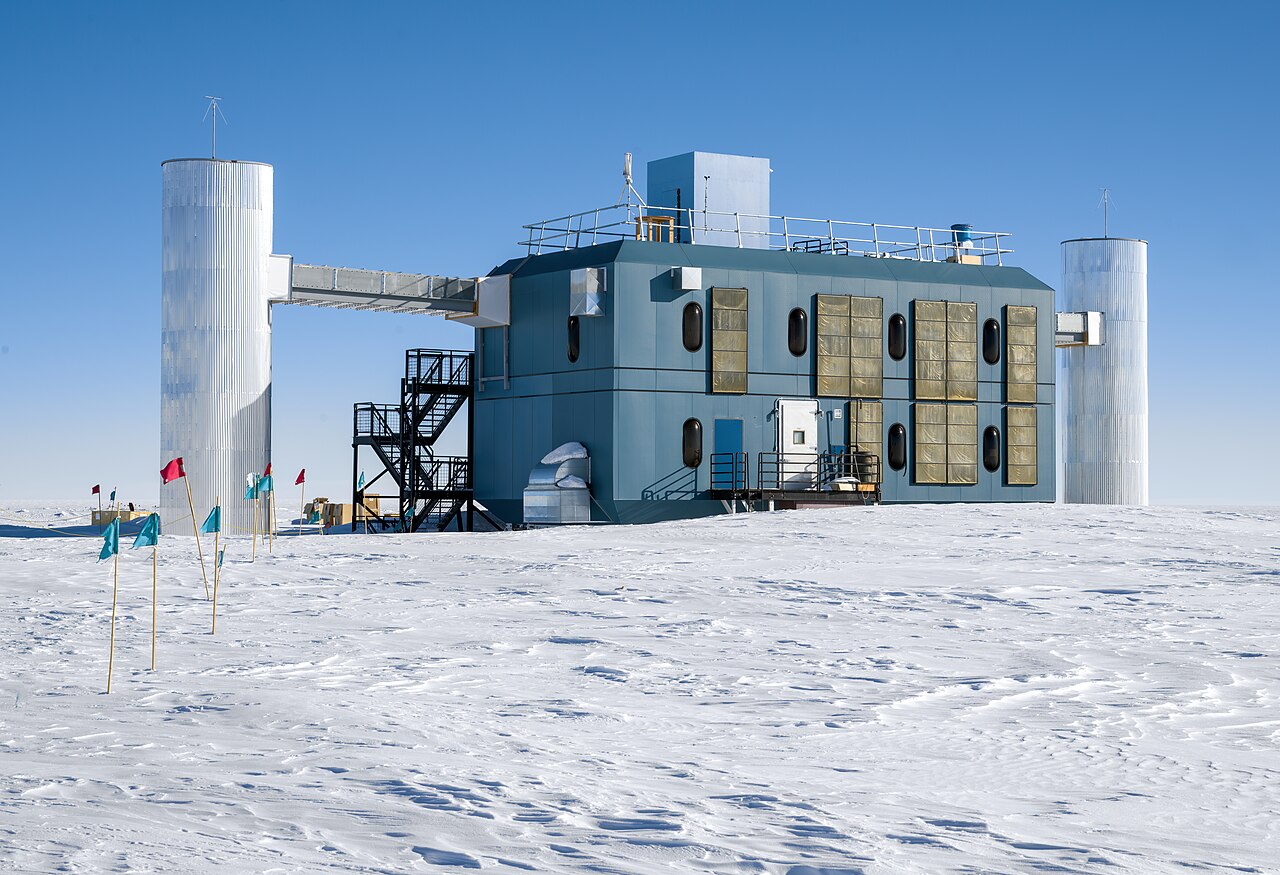
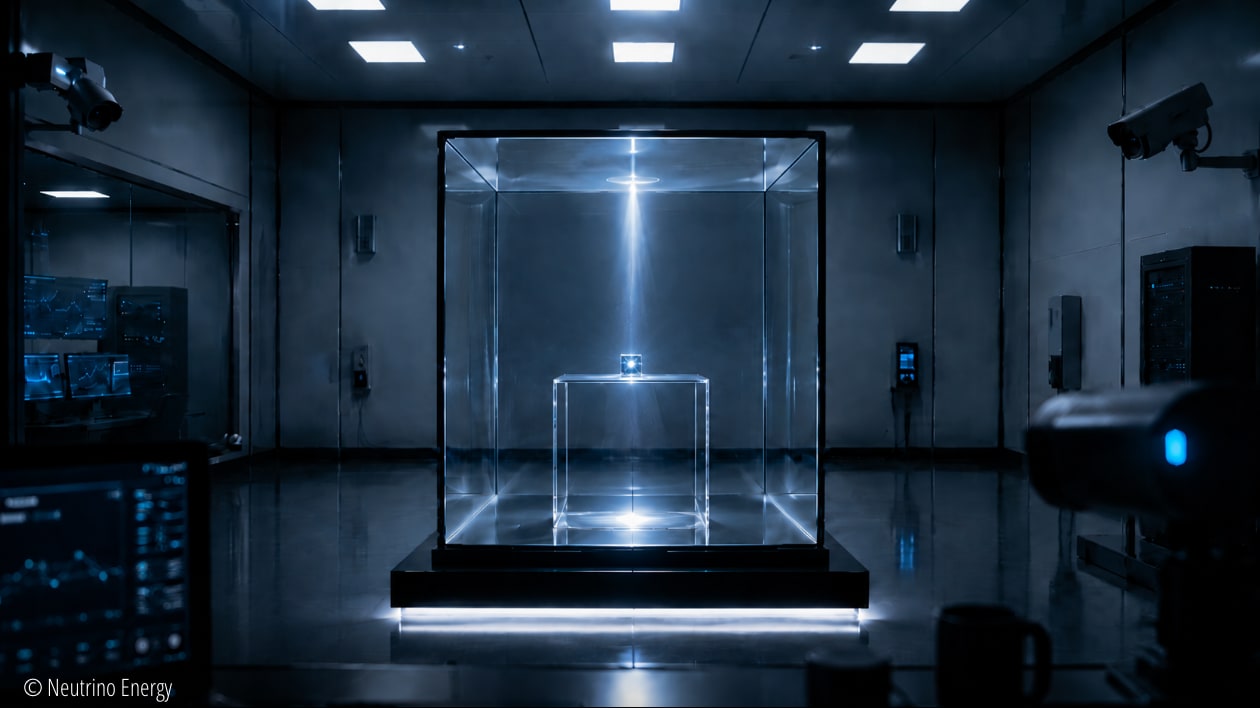
Fortunately, Siemens Gamesa is not the only one trying to make the renewable future a reality. And although green hydrogen is very efficient and important, it is only one of many important factors in the fight against climate change. Another important player we would like to talk about is neutrino energy. For a long time, experts dismissed the idea that neutrinos could be used as a source of energy. In 2015, however, Japan’s Takaaki Kajita and Canada’s Arthur McDonald independently proved that neutrinos have mass. This discovery convinced several scientists and engineers that the prospect of neutrino energy exists.
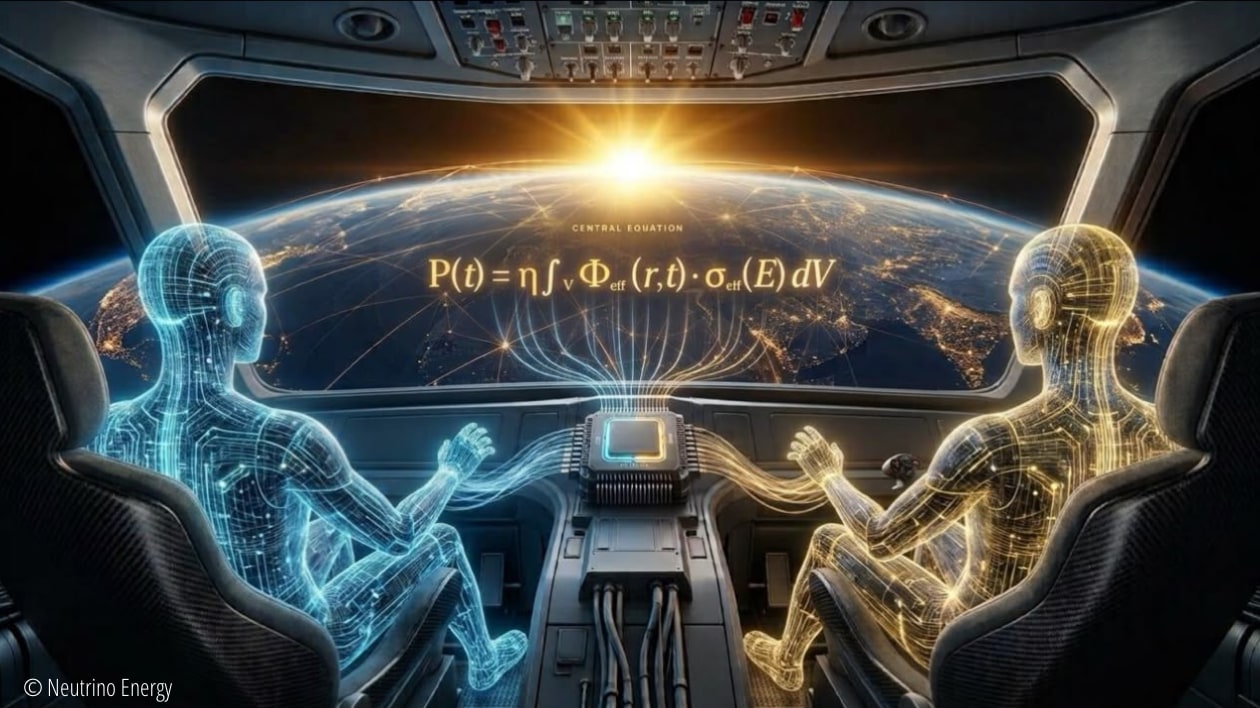
Since then, the renowned Neutrino Energy Group has put itself at the forefront of developing tomorrow’s clean energy solutions by harnessing the power of neutrinos and other kinds of invisible radiation, since their use is in many ways similar to that of a photovoltaic solar cell. Instead of capturing neutrinos and other kinds of invisible radiation, part of their kinetic energy is absorbed and then converted into electricity. The company began as a partnership between firms in the United States and Germany but has since developed into a much larger organisation that now includes participants from all over the world, both companies and scientists. In its pursuit of energy solutions for the benefit of all people on Earth, this extraordinary partnership has crossed national borders.
In recent years, the Neutrino Energy Group and the highly motivated and innovative energy specialists and scientists who work there have invested a great deal of time and effort in improving their neutrinovoltaic technology, in order to support the energy now provided by wind farms, solar panels and other sustainable energy initiatives. In the coming years, this unique energy source will change the way we look at renewable energy.
Neutrino photovoltaic technology does not face the same efficiency and reliability obstacles as other renewable energy sources. Neutrinos can penetrate almost all known materials, which means that neutrinovoltaic cells do not need sunlight to work. They are so versatile that they can be used indoors and outdoors and even under water. Since neutrinovoltaic cells can simply be insulated and still generate energy, the technology is insensitive to snow and other weather conditions, so that it can generate electricity around the clock, 365 days a year, regardless of its location in the world.
The Neutrino Energy Group and its remarkable neutrinovoltaic technology have provided humanity with a long-awaited and trustworthy solution to the current energy crisis. Their efforts will lead to further important advances, and hopefully others will follow in their footsteps so that in the coming years we can live in a better and more environmentally friendly world.
The Neutrino Energy Group
The Neutrino Energy Group is a German-American research group. Its aim is to find ways to harness the power of the invisible radiation spectrum. As fossil fuels are limited and climate change requires the development of alternative and CO2-neutral energy sources, this research group is dedicated to an urgent problem. It has succeeded in creating a dense substance that can interact in a specific way with neutrinos and other invisible radiation. This unique substance is used to build the first neutrino photovoltaic cells for power generation. Vapour-deposited layers of silicon and doped graphene are applied to the carrier layer to make the end product. The thickness of these layers is in the nanometre range. When neutrinos and other invisible radiation strike this substance, they generate both horizontal and vertical impulses. It is crucial that the doped materials have the right layer thickness. At the optimum layer thickness, the atomic vibrations caused by the impulses are brought into resonance. As a result, an electric current can be detected in the substrate material. The hypothesis states that the amount of energy that can be harvested depends on the distance travelled in the process. With this approach it will soon be possible to charge electrical devices anywhere in the world without needing a socket or a cable. Simply “collecting” energy from the environment is a viable option. As a result, humanity will have access to an endless supply of clean energy, which will help to slow or halt global warming.
The Neutrino® Energy Group works with a worldwide team of scientists and various international research centres. They research applications for converting invisible radiation spectra of the sun, including neutrinos – high-energy particles that reach the Earth incessantly and can be converted into electrical energy.
The image rights lie with the author of the press release.
Notes on content provided by authors
Comments
Loading comments …
Become a member to comment publicly. GAIA members write comments in the members' portal — under their nickname, visible to everyone.